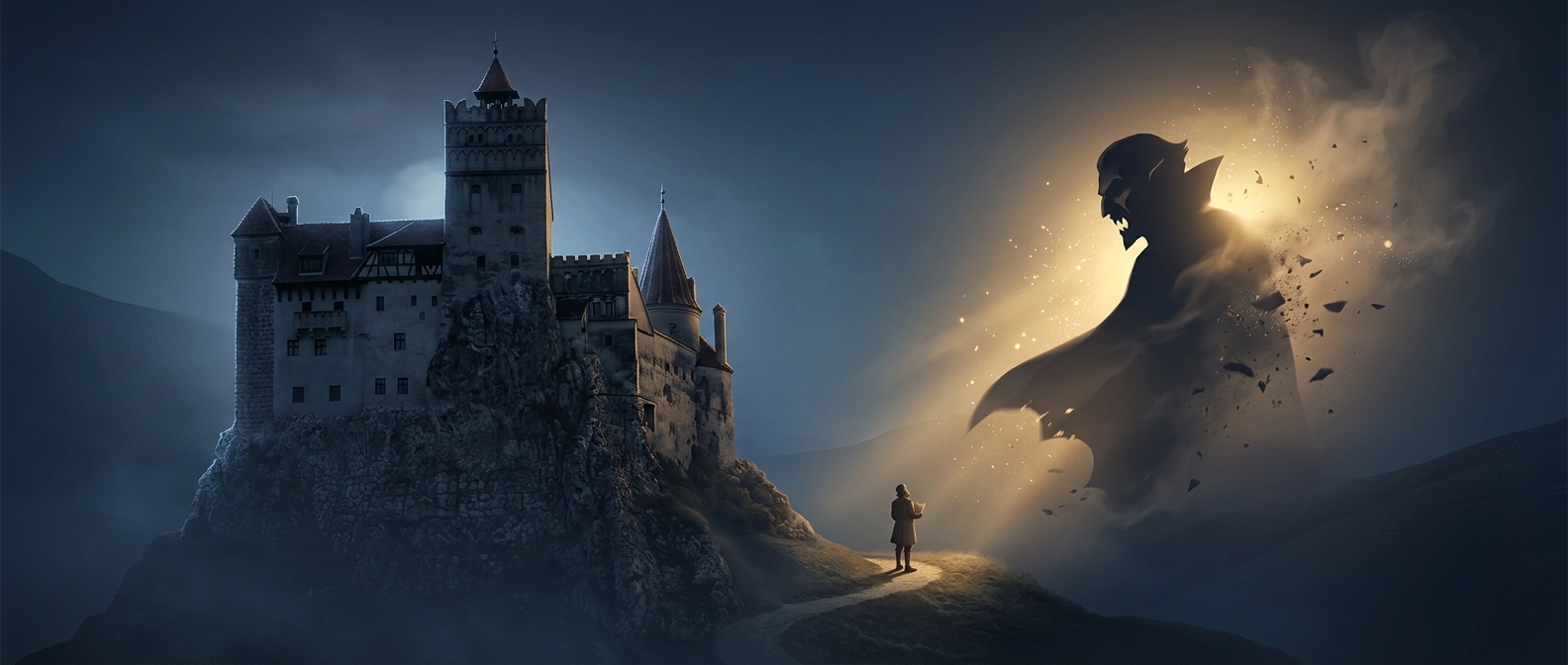
A real fortress became a fictional landmark
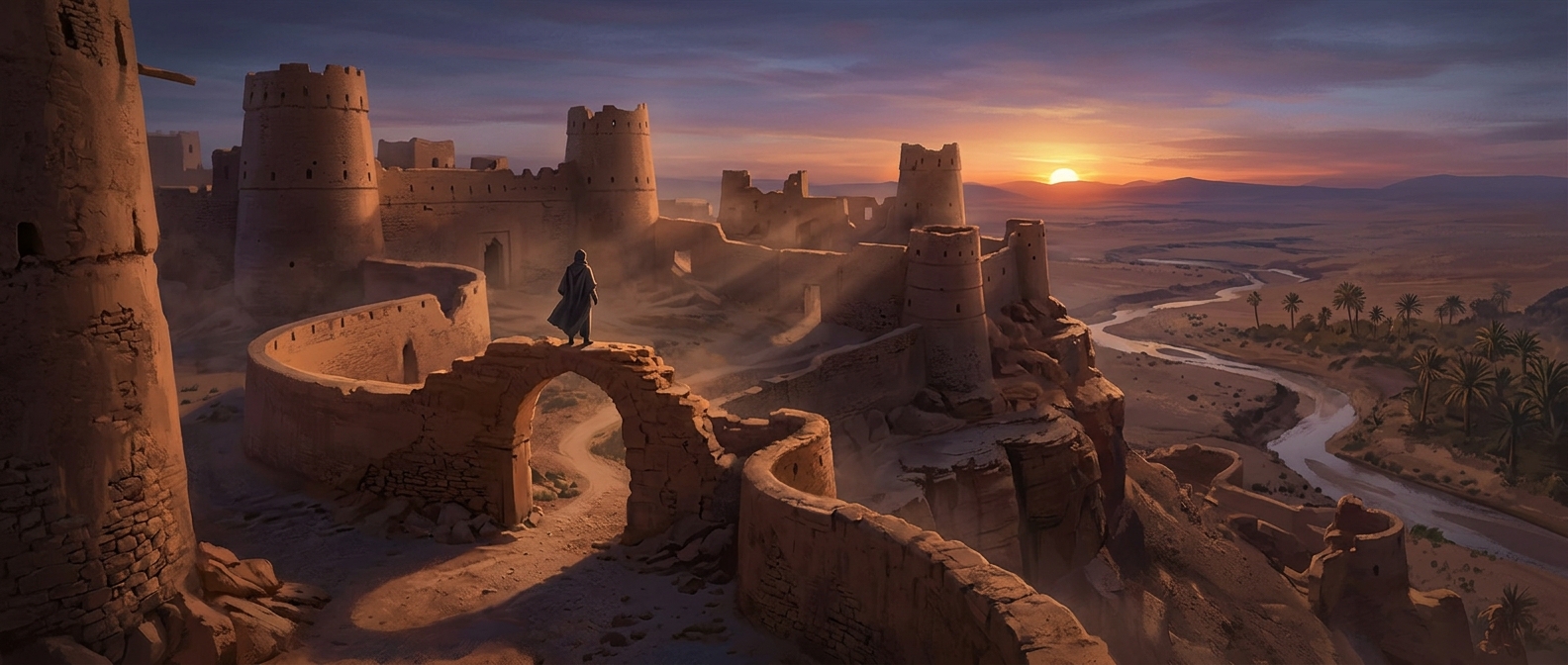
Bran Castle stands above a mountain pass in Transylvania, a region of present-day Romania. Its towers and steep, rocky setting make it easy to imagine as the home of a gothic vampire. But Bram Stoker’s 1897 novel never identifies the castle as Bran, and there is no documented evidence that Vlad the Impaler lived there.
The resemblance is largely a matter of atmosphere and geography. Stoker set Dracula’s castle in Transylvania, and Bran’s dramatic profile fits the kind of place readers might picture from the book. Over time, that visual match helped bind the real building to the fictional one.
History supplied the name; tourism strengthened the link
Vlad the Impaler was a 15th-century ruler of Wallachia, a neighboring region south of Transylvania. His reputation for extreme violence later fed into Dracula lore, but the vampire in Stoker’s novel is a fictional character—not a direct portrait of Vlad, and not a documented resident of Bran Castle.
Bran had a more practical role: it guarded an important route through the mountains. Its historical function and its later association with Romanian royalty give it a story of its own, separate from Dracula. The vampire connection, however, became a powerful way to introduce the castle to international visitors. The result is a place where the best-known story is not the building’s documented history, but the landscape’s convincing resemblance to a novel’s imagined world.