A bright warning players can read at a glance
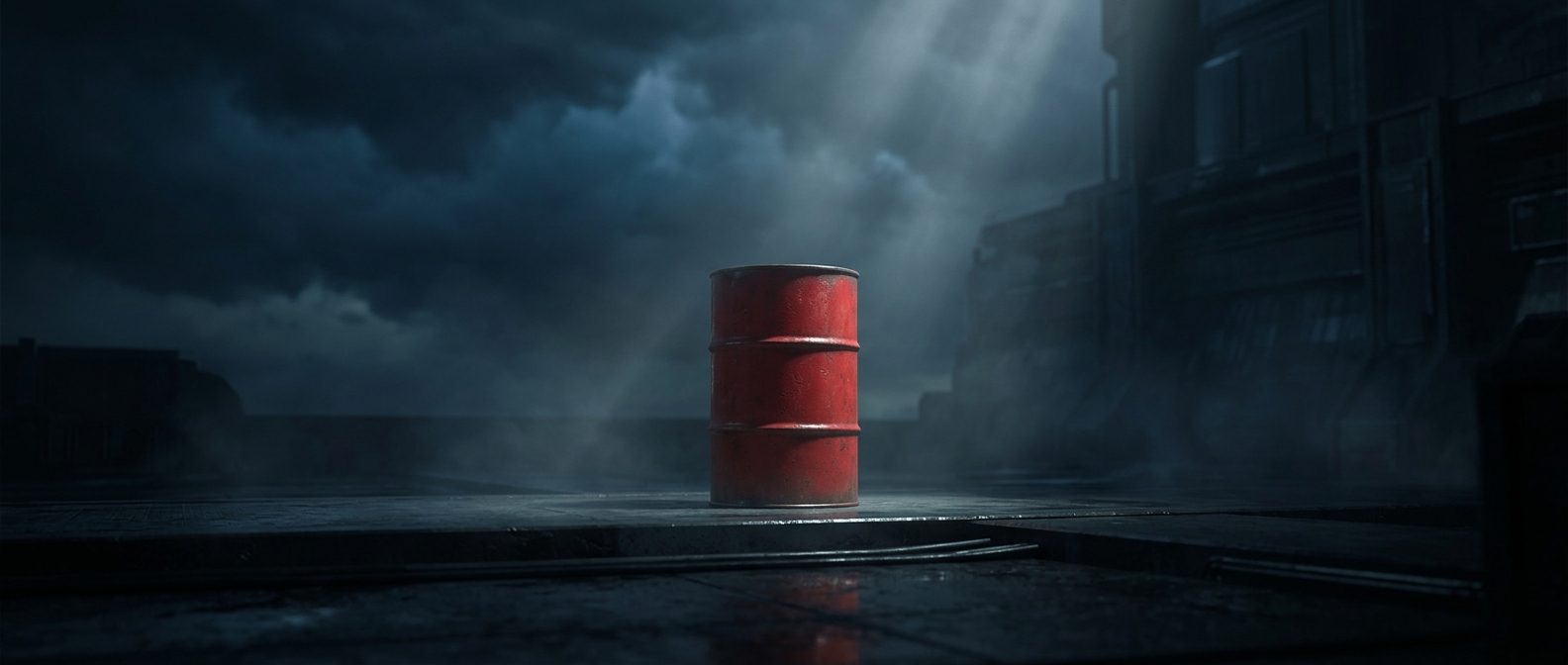
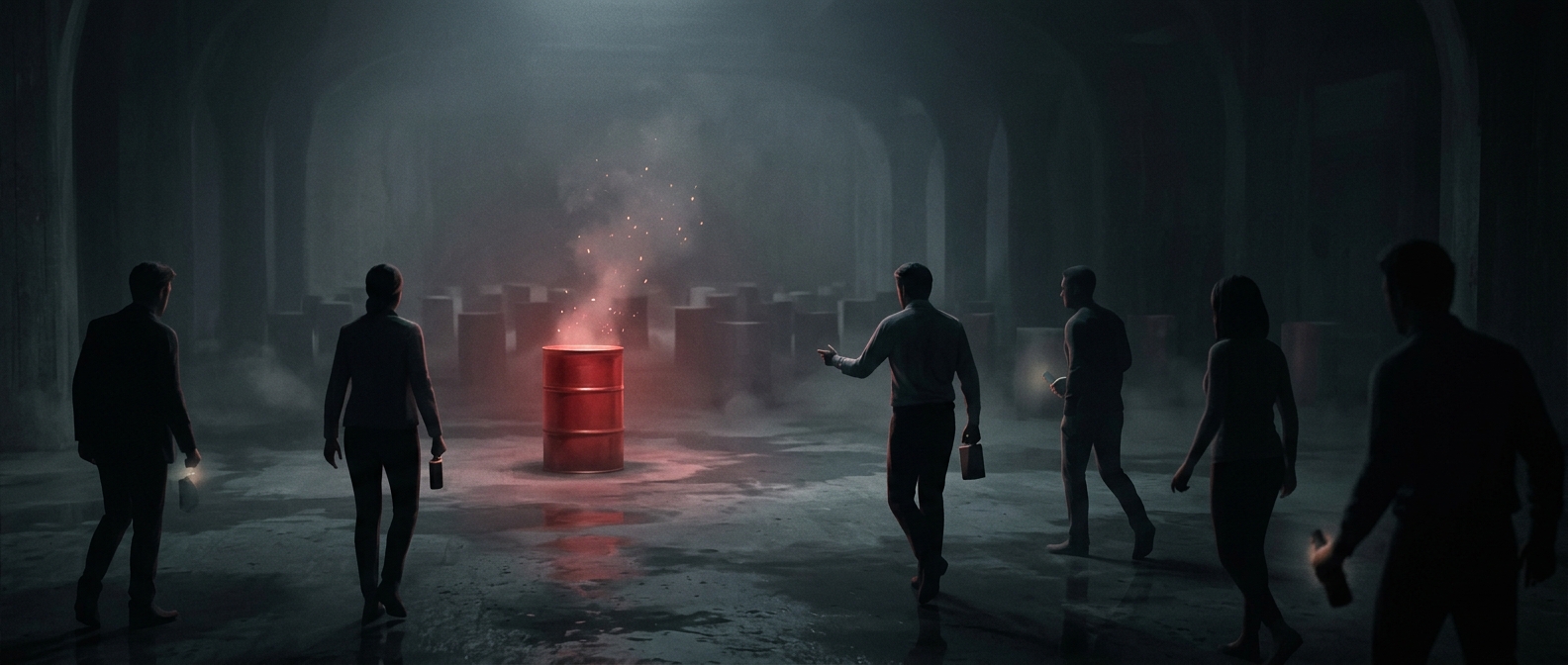
A red barrel works like a visual shortcut. Before a game explains anything, players have learned to associate red with danger, and the barrel’s familiar shape suggests something pressurized or volatile. Put it near enemies or other objects, and its meaning becomes clear without a tutorial: hit it, and something will happen.
That instant recognition matters in a busy scene. Players may be watching enemies, aiming, and moving at once; a conspicuous object lets them spot an opportunity without stopping to inspect it. The convention is widespread, not universal, but it is powerful precisely because so many games have taught players what to expect.
One object can make a fight a puzzle
Designers use explosive barrels to turn the environment into part of an encounter. An enemy standing beside one is not just a target; the player can decide whether to shoot the barrel, lure someone toward it, or save the explosion for later. A single prop can reward observation and make positioning matter.
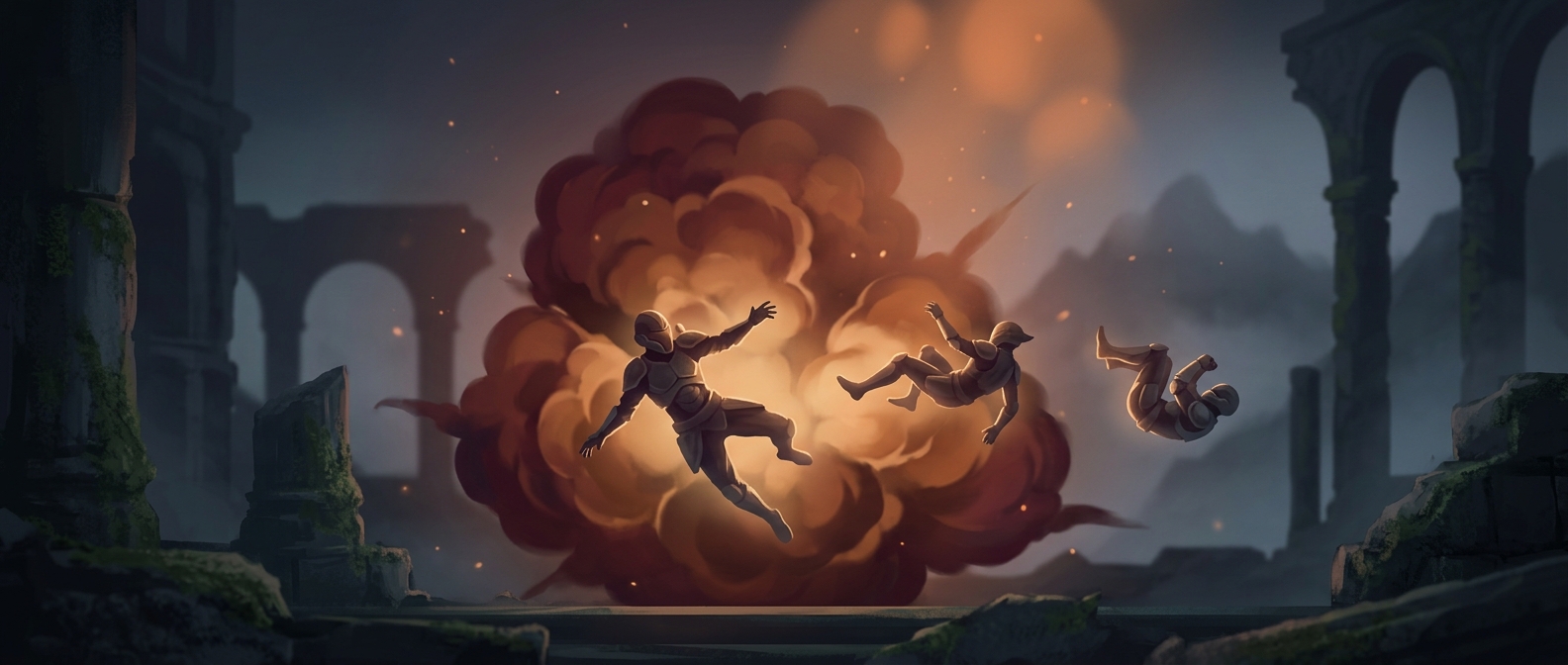
The barrel also gives designers a compact way to control risk and payoff. Its blast may damage several opponents, but it can threaten the player too, and detonating it may destroy cover or block a route. The player’s choice is meaningful because the object is easy to understand while the consequences depend on timing and location.
Why a tiny hit can trigger a huge blast
Games often simplify the physical chain reaction. Rather than simulate every material, leak, spark, and pressure change, a game can treat damage to the barrel as a clear trigger: once hit, it plays an explosion and applies damage within a set area. That makes the response reliable and legible, even when the player only clips the barrel with a bullet.
The result is less a lesson in real-world explosives than a promise about the game’s rules. See the red barrel, understand the risk, and decide whether to use it. Its most important job is not to behave like a real container—it is to make the player notice a choice before the shot is fired.