Why Takeout Packaging Fails on the Way Home
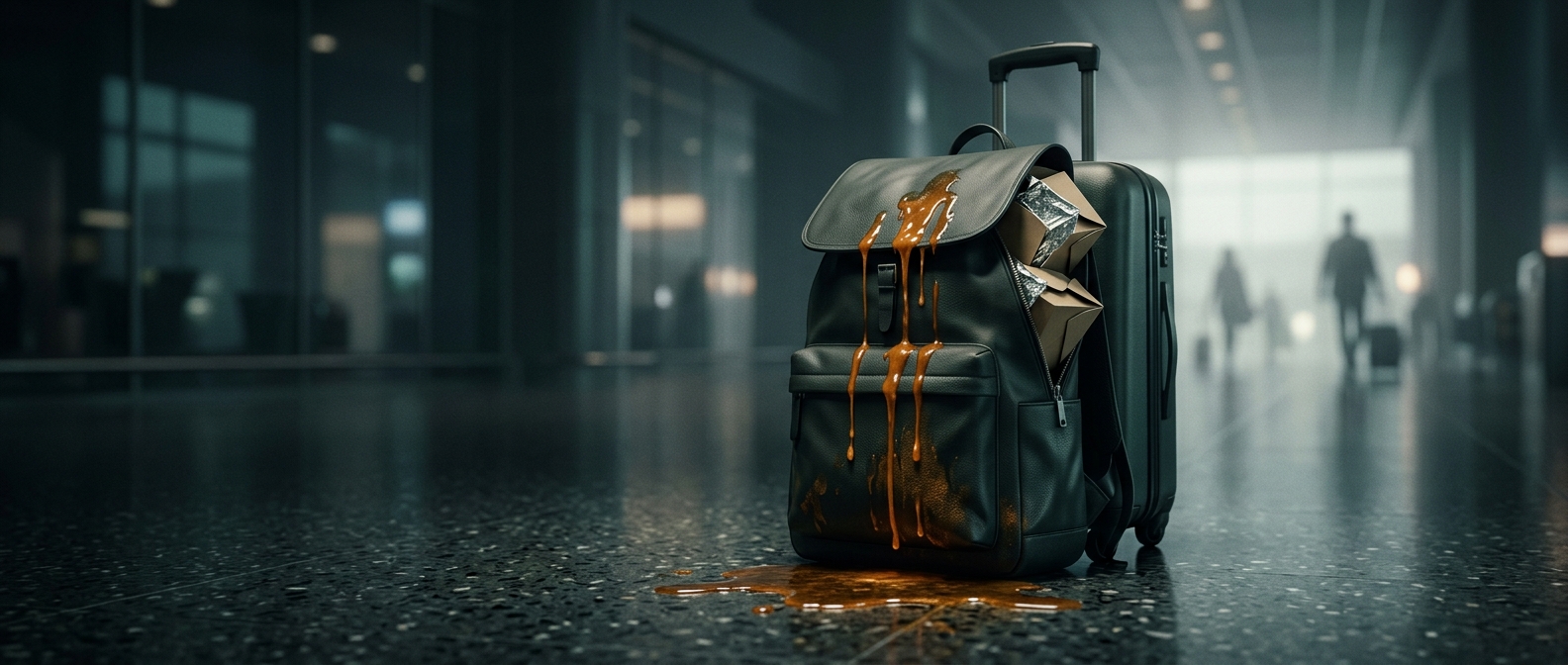
A container that holds dinner on a counter faces a different test in a moving bag. Every turn, stop, and step shifts the food and its liquid contents. Sauce surges toward the lid or a corner; stacked boxes press down from above. A small gap that stayed harmless while the container sat level can become a leak once the package tilts.
Paper Absorbs; Foam Can Bend
Paperboard is made of fibers, and its cut edges and folded seams can wick up liquid. Grease can also soften paper packaging, making it easier to crush or pull apart at a fold. A coating helps resist moisture, but it does not make every seam or lid joint watertight.
Foam containers resist soaking, but their walls can flex under pressure, and a lid may not form a tight seal. Heat can make a container feel less rigid, while a heavy item placed on top adds strain. In either material, the weak point is often not the broad surface but the edge where lid, base, and folded walls meet.
The Trip Is Part of the Design Problem
Takeout packaging has to be light, stackable, inexpensive, and quick for staff to close—qualities that do not automatically make it secure during transport. Keeping a bag upright and avoiding heavy items on top reduces the forces that push food toward seams. But the practical test is simple: if a container has liquid near its rim, even a short ride can turn a small tilt into a spill.