Why Hotel Breakfast Buffets Get Crowded Fast
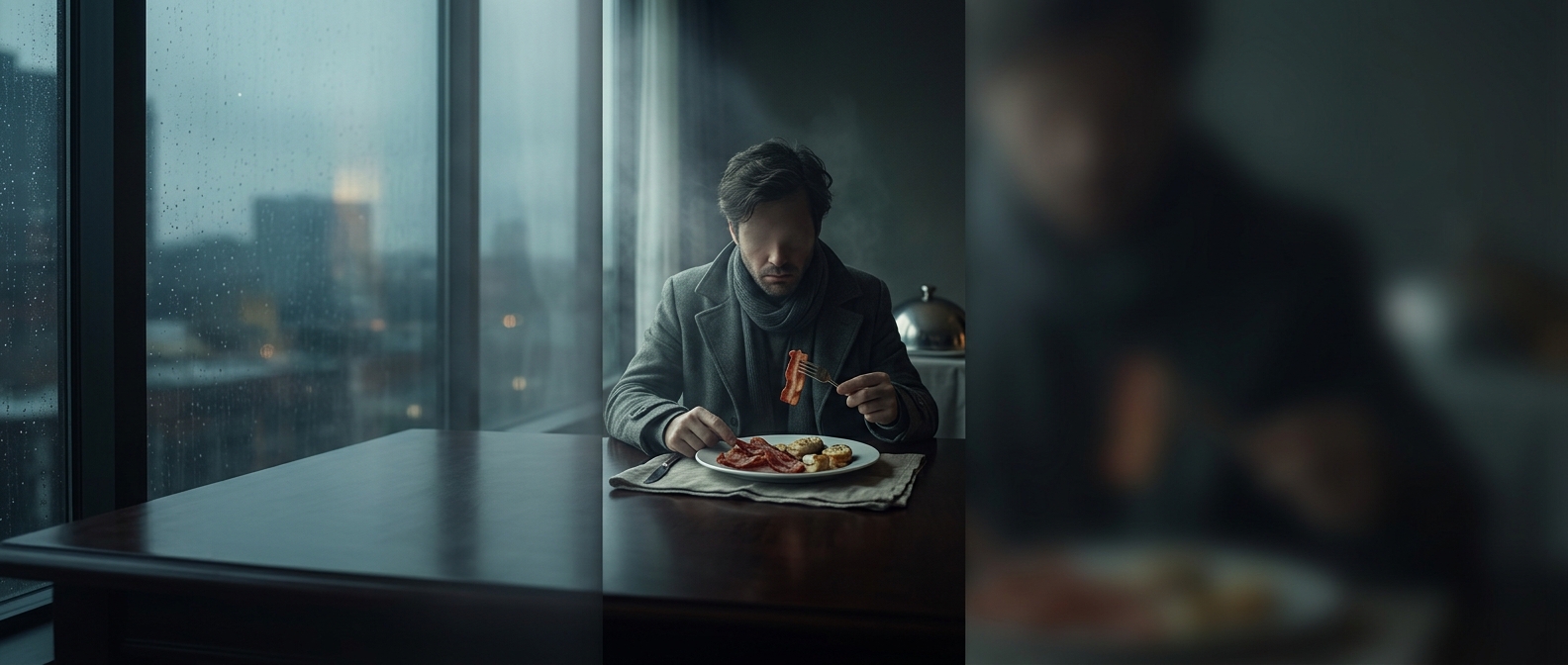
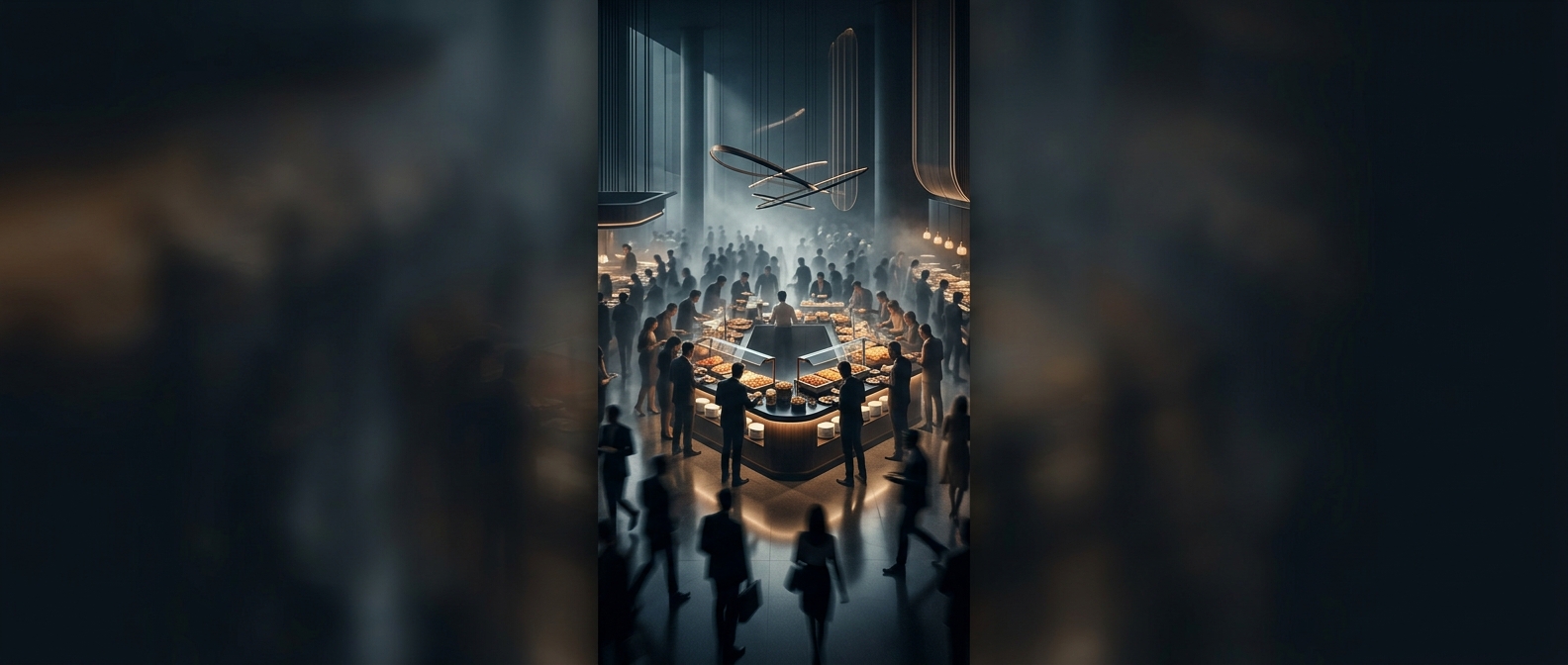
A buffet turns breakfast into a small traffic problem. Guests move through the same narrow sequence—finding a plate, choosing food, waiting at a popular dish, then reaching coffee or toast. Anyone who pauses to decide can slow the line behind them, while a crowded serving area makes it harder for people to pass or double back.
One Room, Many Schedules
Hotel guests may be heading to a tour, a meeting, a road trip, or checkout. Their plans differ, but many want breakfast within the same limited stretch of the morning. That compresses demand into a rush: the room can feel calm, then suddenly fill as several groups arrive together.
The buffet also has to serve different kinds of appetites and preferences. Some guests want a quick coffee; others are assembling a full meal or waiting for a dish to be replenished. Each extra stop adds time to a shared route, especially when the coffee machine or one well-liked item sits at the end of it.
The Buffet’s Tradeoff
A self-serve setup lets guests choose their own portions and pace, but it shifts part of the work onto them: navigating the line, finding utensils, and judging what is available. Staff, meanwhile, have to replenish food without blocking the same space guests are trying to use. The result is a breakfast that is both convenient and vulnerable to bottlenecks.
That is why the scramble is often less about the eggs than the clock and the layout. A crowded buffet is a brief collision of many separate mornings, all passing through the same room.