The buffet turns breakfast into a value calculation
At a hotel buffet, the food may feel free even when its cost is folded into the room rate. That distinction matters: once breakfast is included, each additional serving has no visible price at the moment of choice. Guests may start thinking less about what they actually want and more about whether they are taking advantage of what they paid for.
That is why an ordinary waffle can become a prize to claim—and why someone might add eggs or a pastry they would have skipped if each item had a separate price. The choice is not necessarily about taste. It can be about making the bundled deal feel worthwhile.
What “getting your money’s worth” can cost
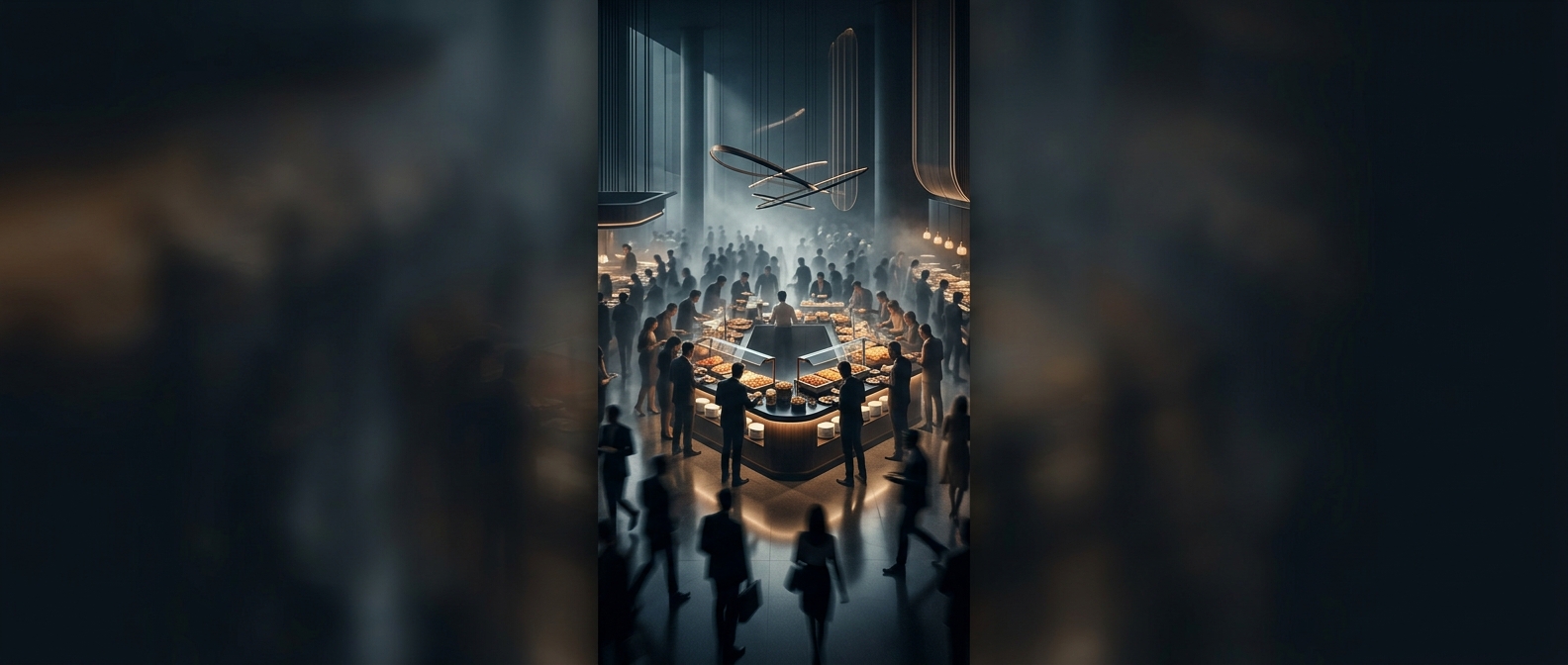
A buffet encourages this calculation because everything is displayed together and available in portions guests can choose themselves. The low effort of adding one more item makes it easy to confuse “included” with “worth eating.” A plate can end up reflecting the urge to capture value, rather than appetite.
The tradeoff is modest but concrete: people may leave with food they did not enjoy, or eat past the point of wanting more, while the hotel has already priced breakfast into the stay. The most useful question at the buffet is therefore not how much food is included, but what would still look appealing if it were not part of the deal.