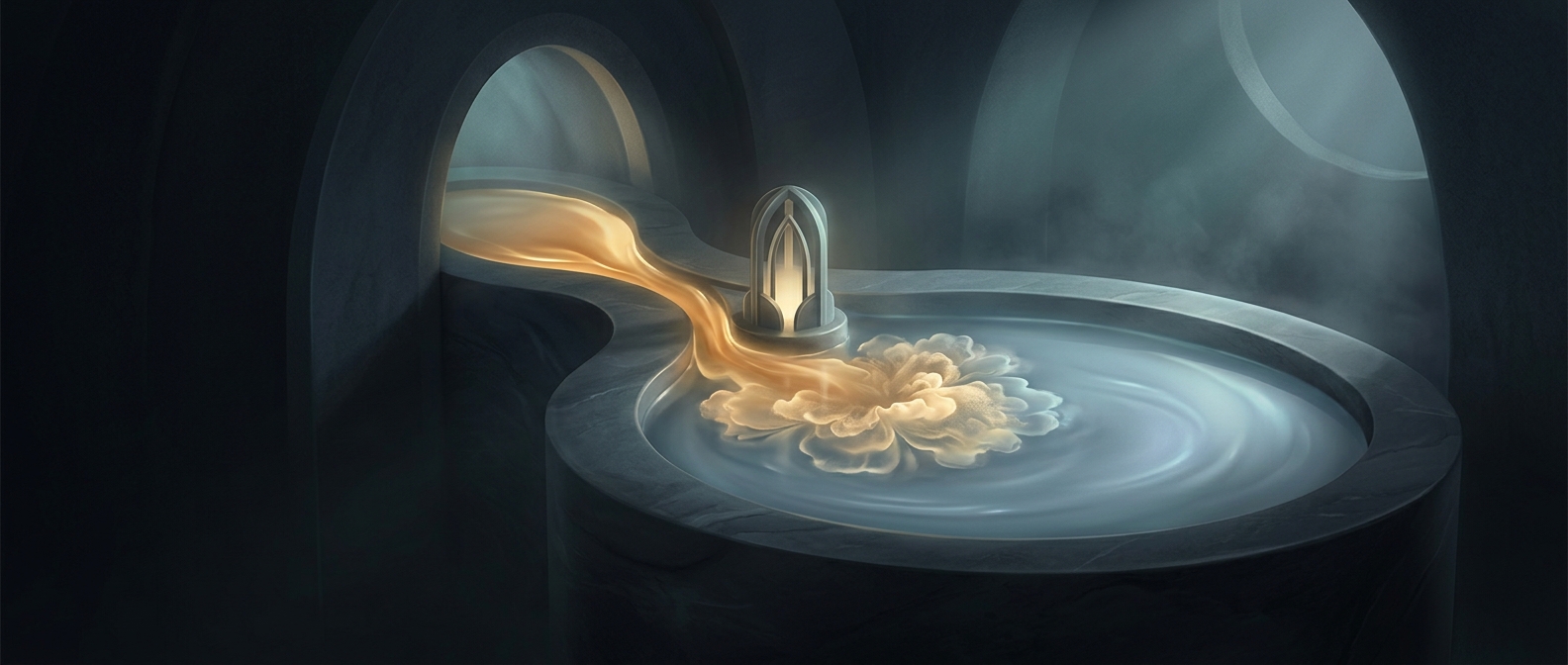
Semen is a mixture, not just sperm
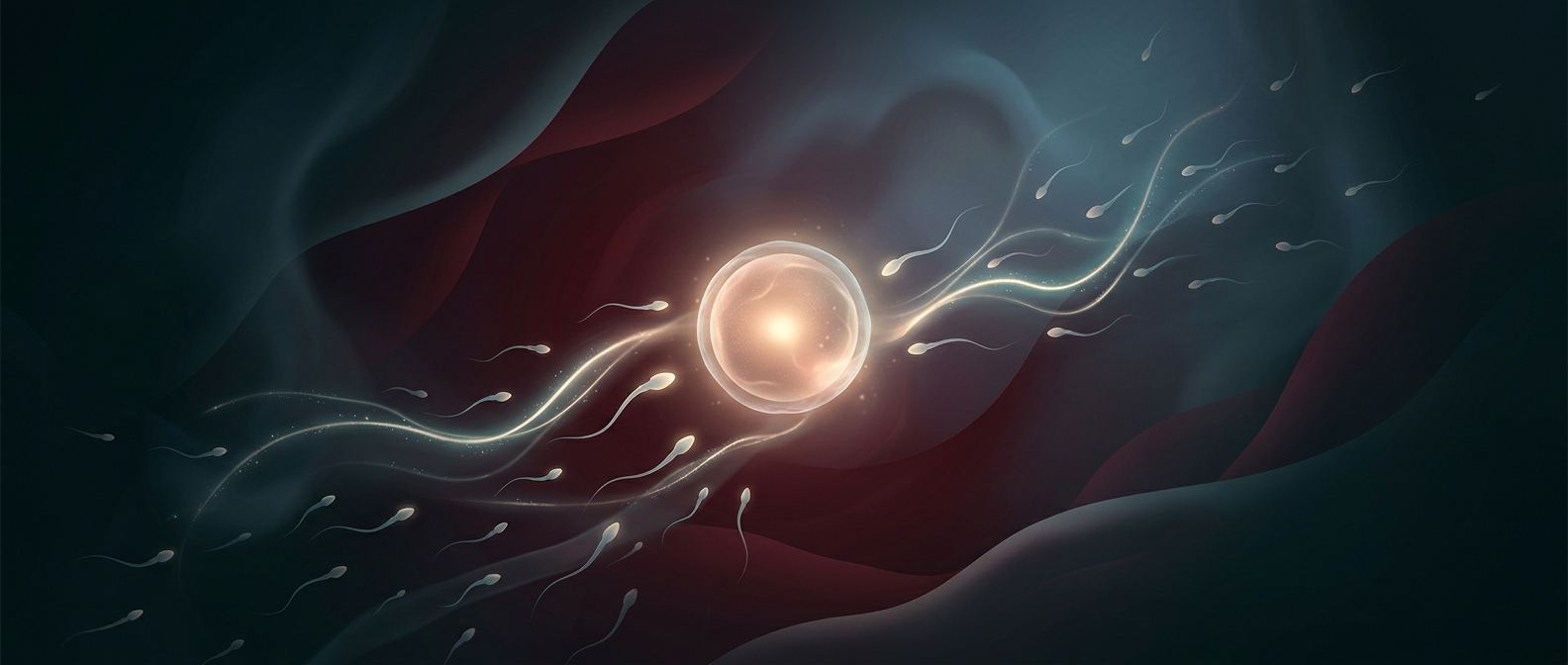
Sperm cells make up only a small part of semen. Most of its volume is fluid from glands along the reproductive tract. The prostate supplies roughly a third; the paired seminal vesicles provide most of the rest, while smaller glands add additional secretions. Each contribution changes the mixture’s chemistry and texture.
What the prostate adds
Prostatic fluid contains substances such as citrate, zinc, and enzymes. After ejaculation, one of those enzymes—prostate-specific antigen, or PSA—helps break down the semen’s initial gel-like clot. As the semen liquefies, sperm can move more freely. This is a timed change: the semen is briefly more viscous after release, then becomes less so.
The fluid also contributes to semen’s buffering capacity. A buffer helps resist changes in acidity; it does not simply erase acidity or guarantee that sperm survive. That matters because parts of the reproductive tract can be acidic, and sperm function is sensitive to their chemical surroundings. Semen’s combined fluids help make conditions more favorable for sperm during their passage.
Why the mixture matters
The prostate’s contribution works alongside the larger volume from the seminal vesicles, rather than acting as a stand-alone protective coating. Semen is both a transport medium and a temporary chemical environment: its glands supply fluid that supports sperm movement and helps them cope with conditions they encounter after ejaculation.