Why an Egg Keeps Almost Everything
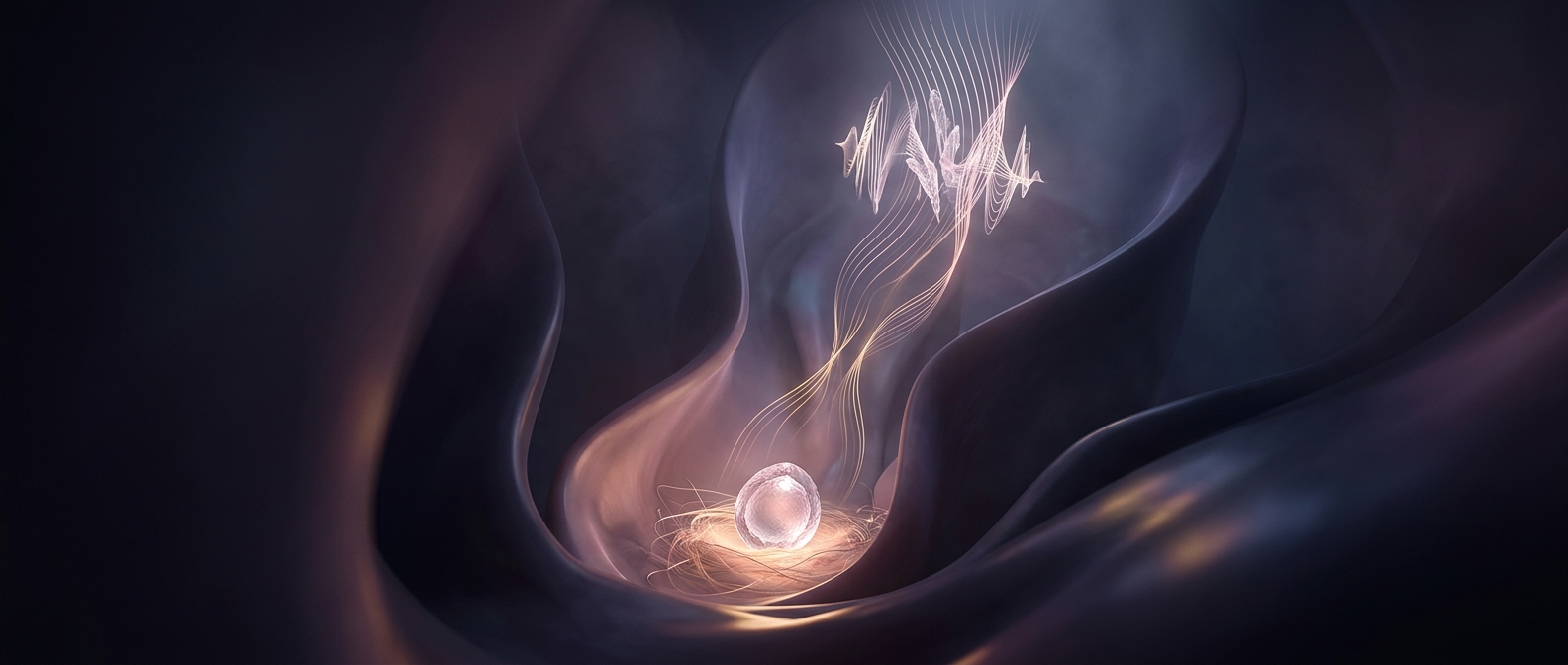
An egg must do more than carry half an organism’s DNA. After fertilization, it also needs enough cytoplasm—the cell’s interior fluid and machinery—to support the embryo before it can obtain resources from its surroundings. That makes egg production different from ordinary cell division, which usually splits a cell’s contents more evenly.
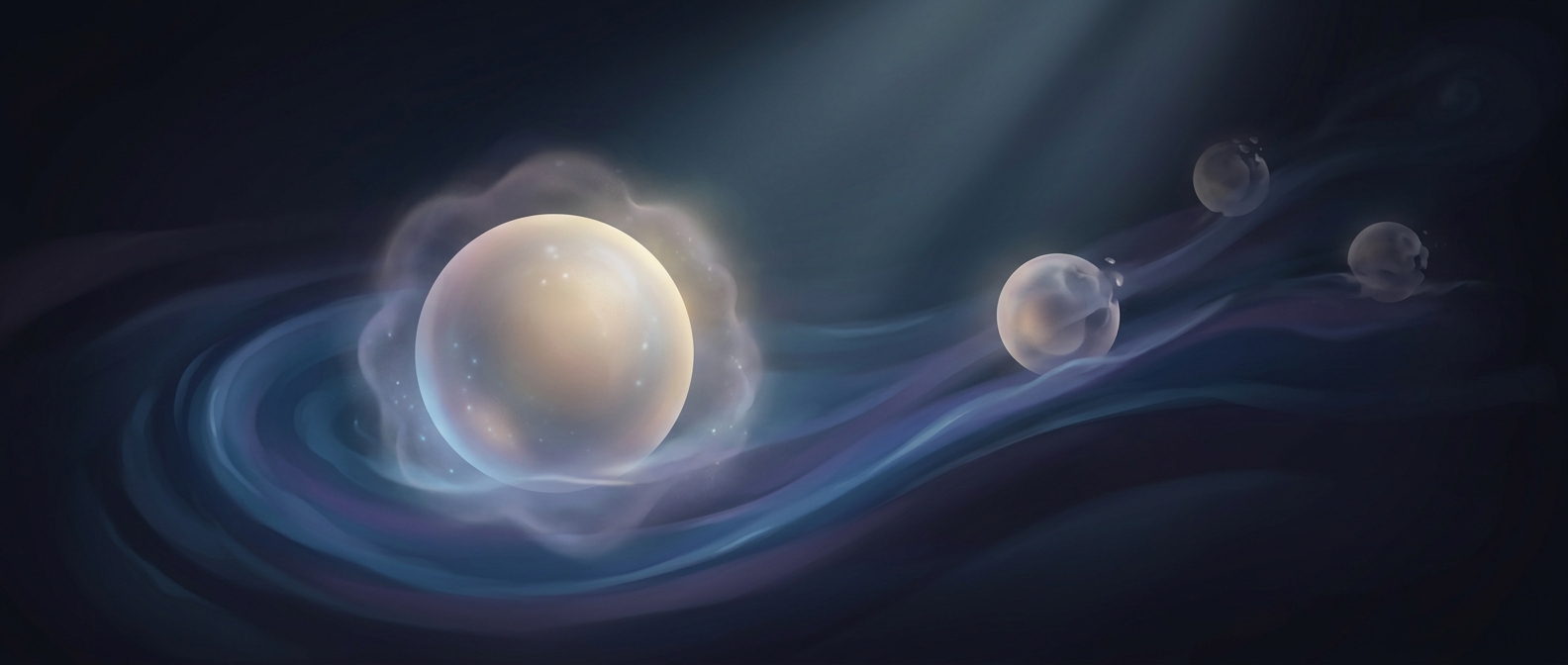
During oogenesis, the process of making an egg, the cell copies its chromosomes and divides them in stages. The chromosomes are separated so that the mature egg receives one set, but the cytoplasm is apportioned very unevenly. One daughter cell becomes large; the others become tiny polar bodies.
A lopsided division with a purpose
The small polar bodies help remove the extra chromosome copies while taking away as little of the egg’s contents as possible. They contain very little cytoplasm and generally break down rather than developing into embryos. The egg, by contrast, keeps most of the cell’s organelles, stored molecules, and other supplies.
That reserve matters immediately after fertilization. The newly formed embryo undergoes its first divisions using materials already in the egg; it cannot yet rely on its own mature systems to make everything it needs. A larger share of the cytoplasm therefore gives the egg a substantial starter kit for early development.
The tradeoff is striking: instead of producing several similarly equipped cells, oogenesis concentrates the usable cellular resources in one. The polar bodies are not failed eggs so much as the small cost of packaging one chromosome-balanced cell with enough supplies to begin life.