Why a Street Might Refuse to Run Straight
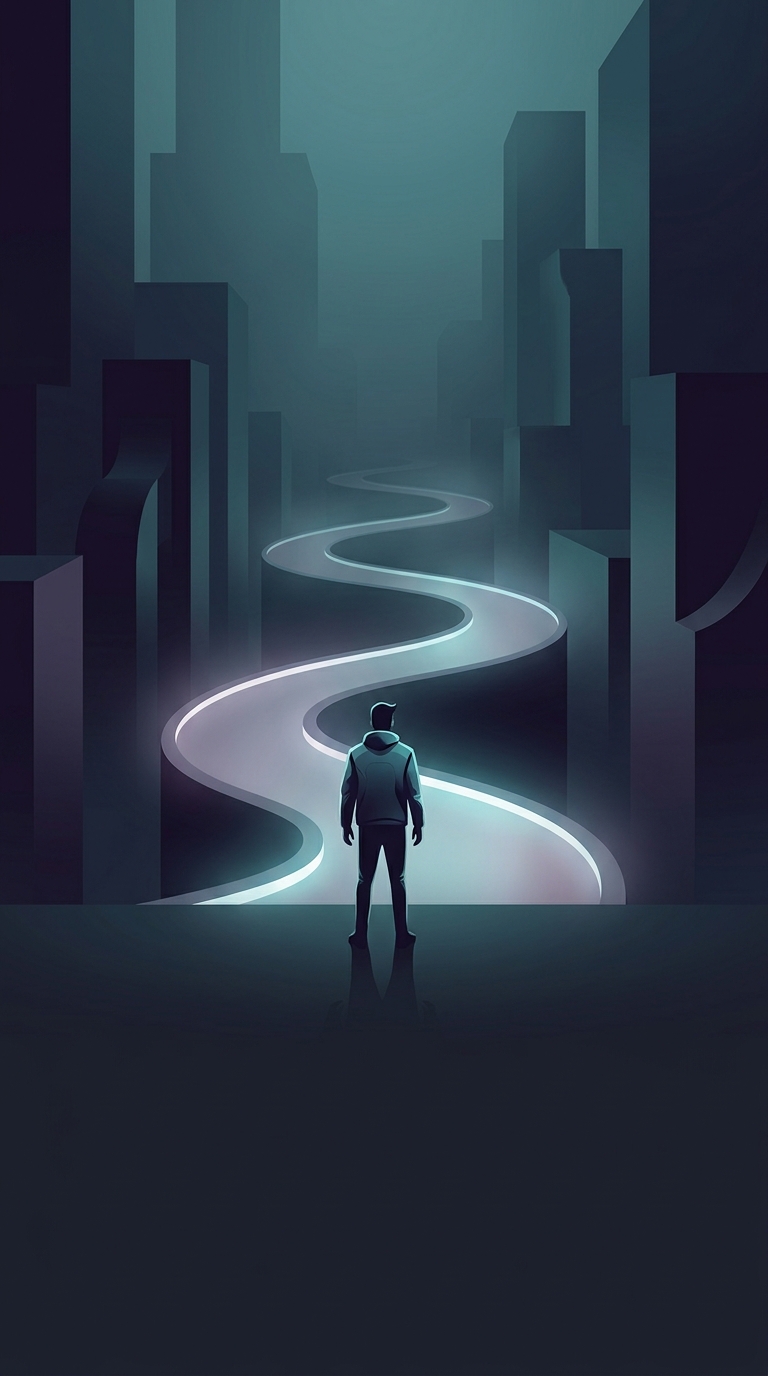
A long, straight street gives drivers an easy visual invitation: the road ahead looks open, predictable, and fast. A gentle bend changes that impression. Drivers must keep adjusting the steering wheel, and the changing view makes it harder to treat the street like a straight track.
That is the psychological purpose behind some street curves: they provide traffic calming, a design approach that encourages lower speeds through the road itself rather than relying only on signs or enforcement. The curve need not be sharp. Even modest bends can interrupt the sense of a clear, uninterrupted run.
The Road Sends a Speed Cue
Drivers judge a comfortable speed partly from what the street appears to permit. A broad, straight roadway with distant visibility tends to feel forgiving; a winding alignment signals that attention and control are needed. As the road turns, drivers naturally ease off to handle the bend and keep a better view of what comes next.
This is a form of self-enforcing design: the street’s shape helps produce the behavior planners want. It can also make a route feel more like a neighborhood place than a fast corridor, where people may be walking, cycling, or crossing.
Curves are not a guarantee of safety, and their effect depends on details such as the bend’s radius, visibility, and surrounding street design. But when a straight line would invite drivers to accelerate, a subtle change in direction can make speed feel less natural—before a sign has to tell anyone to slow down.