A plate shaped like Nunavut’s best-known animal
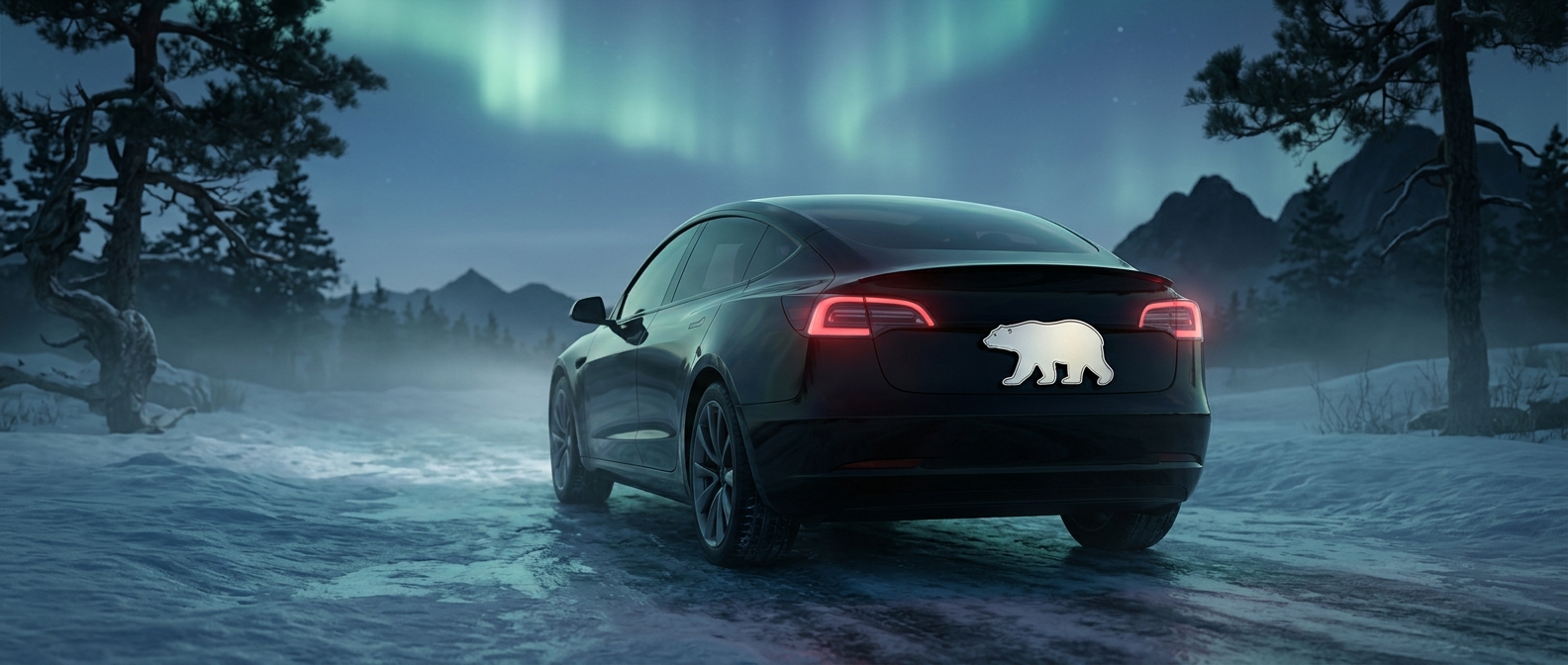
When Nunavut began issuing its own vehicle plates in 1999, the territory chose a polar-bear silhouette rather than the standard rectangle. The outline made the plate distinctive, but it also created a practical problem: the registration number sat inside a shape that automated systems were not designed to find and read reliably.
Why the outline mattered to cameras
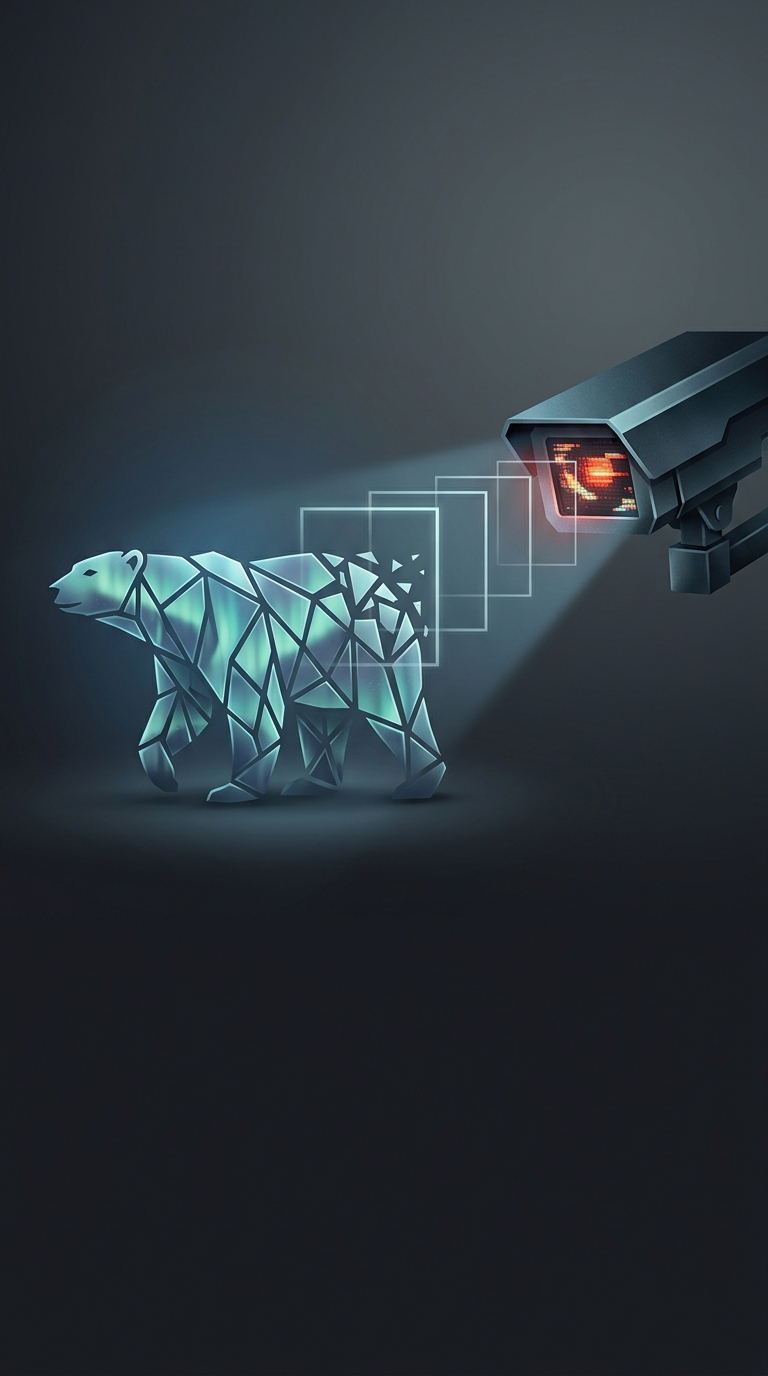
Automated license plate readers use cameras and image-processing software to locate a plate in a photograph, isolate its characters, and convert them into text. A rectangular frame gives the software a familiar boundary and helps it distinguish the plate from the rest of the vehicle. A bear-shaped edge is an unusual target; even if a person can read the number, the system may fail to identify the plate area or interpret its characters consistently.
That matters wherever vehicles need to be identified quickly by camera. A missed or misread plate can mean extra work for a human reviewer or a failed automated check. The issue was not that the bear was impossible to recognize, but that automated readers worked best with the standardized geometry used on ordinary plates.
Standard shape, easier recognition
In 2012, Nunavut moved to rectangular plates. The change traded a memorable silhouette for a format more compatible with automated reading. It is a small example of how a design choice can collide with the assumptions built into everyday technology: the camera expects a box, while the plate offers a bear. Once vehicle identification depends on automated systems, even the outline around a number can determine whether that number is read at all.