Why the 747’s cockpit sits above its nose
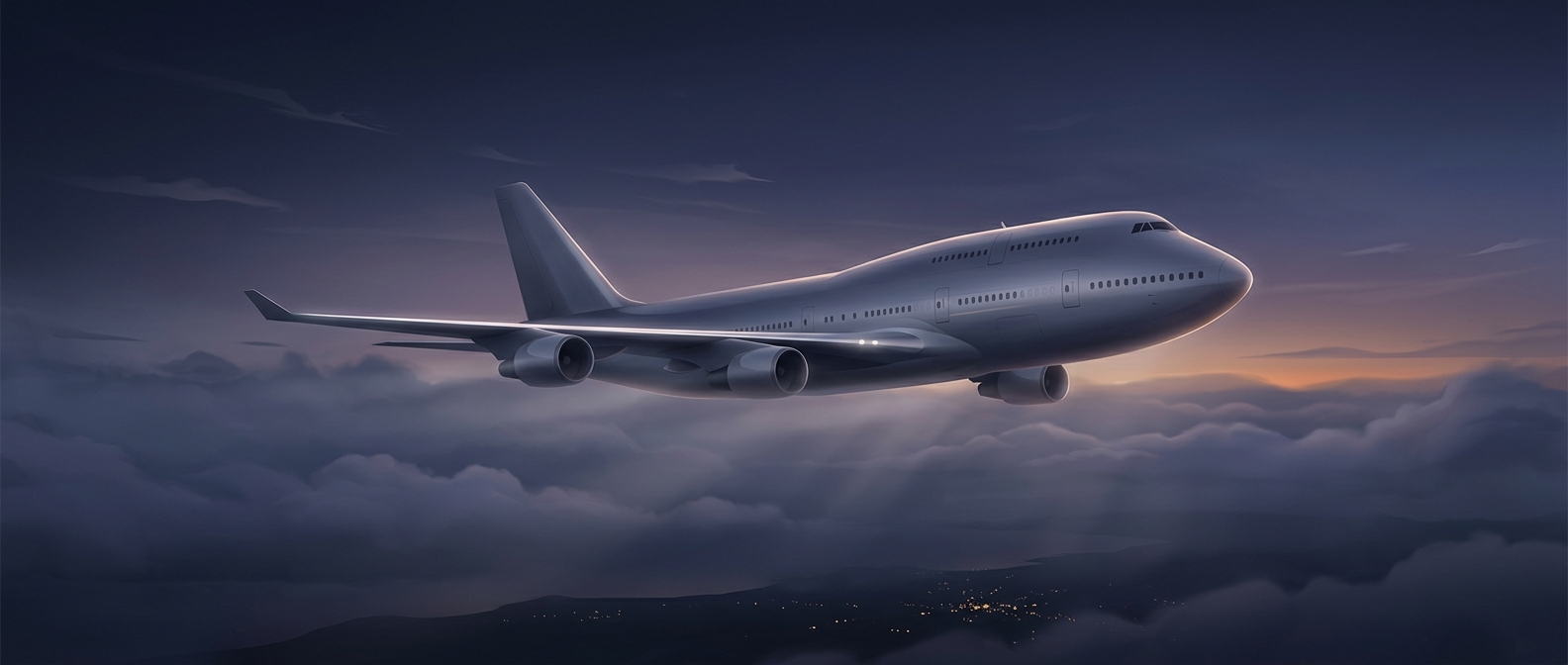
The 747’s raised cockpit was more than a way to give the aircraft its distinctive profile. It solved a loading problem: if the flight deck occupied the very front of the main deck, a cargo door there would cut through the space needed for freight. Putting the cockpit higher left the nose free to open upward.
On a nose-loading 747 freighter, the hinged nose swings up so long or bulky cargo can be moved straight into the fuselage. That can be much easier than turning a large load through a side door, where the plane’s width and internal layout limit what will fit.
A passenger jet with a freight-friendly shape
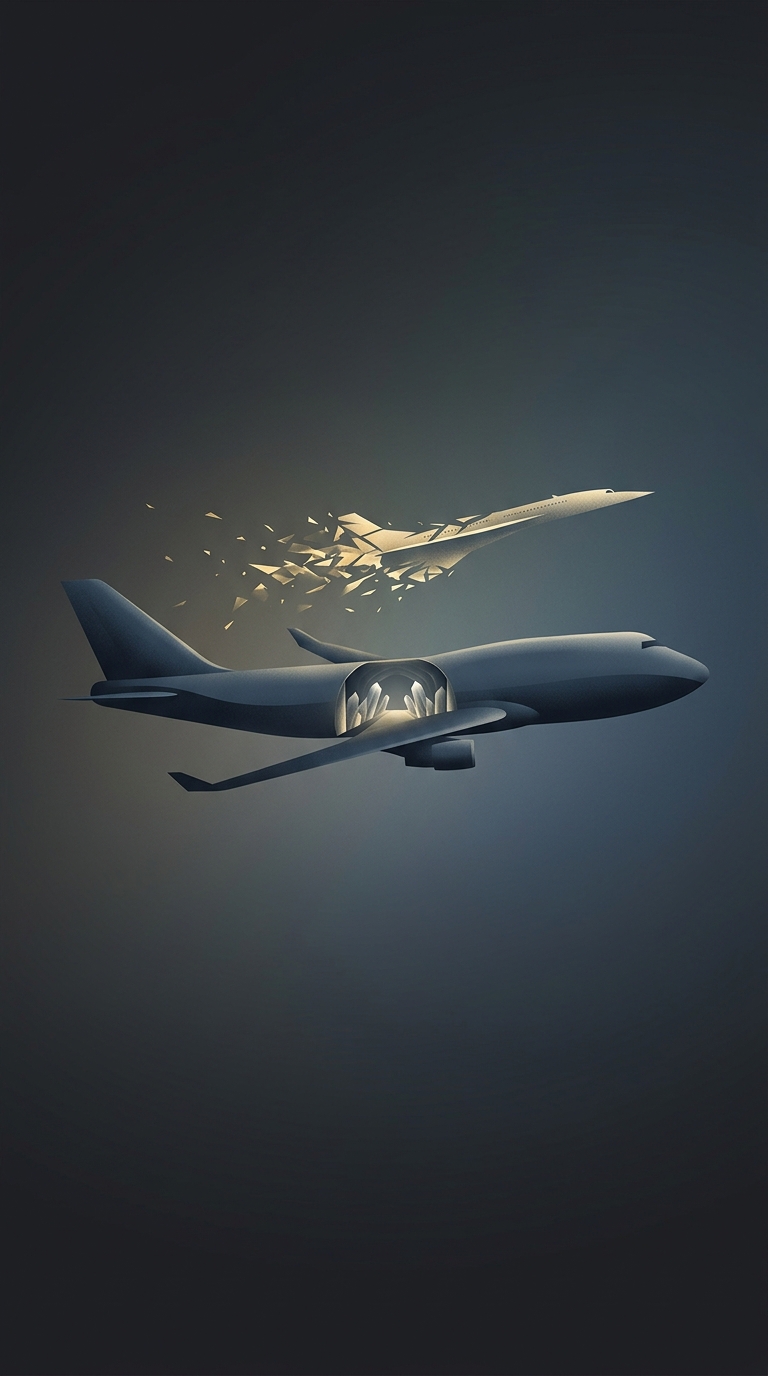
The hump therefore reflects a practical compromise built into the aircraft’s layout. The cockpit sits on the upper level, while the broad main deck below can serve as a passenger cabin or, in freighter versions, a large cargo hold. The arrangement helped make the 747 useful for both kinds of work without putting the cockpit in the way of front loading.
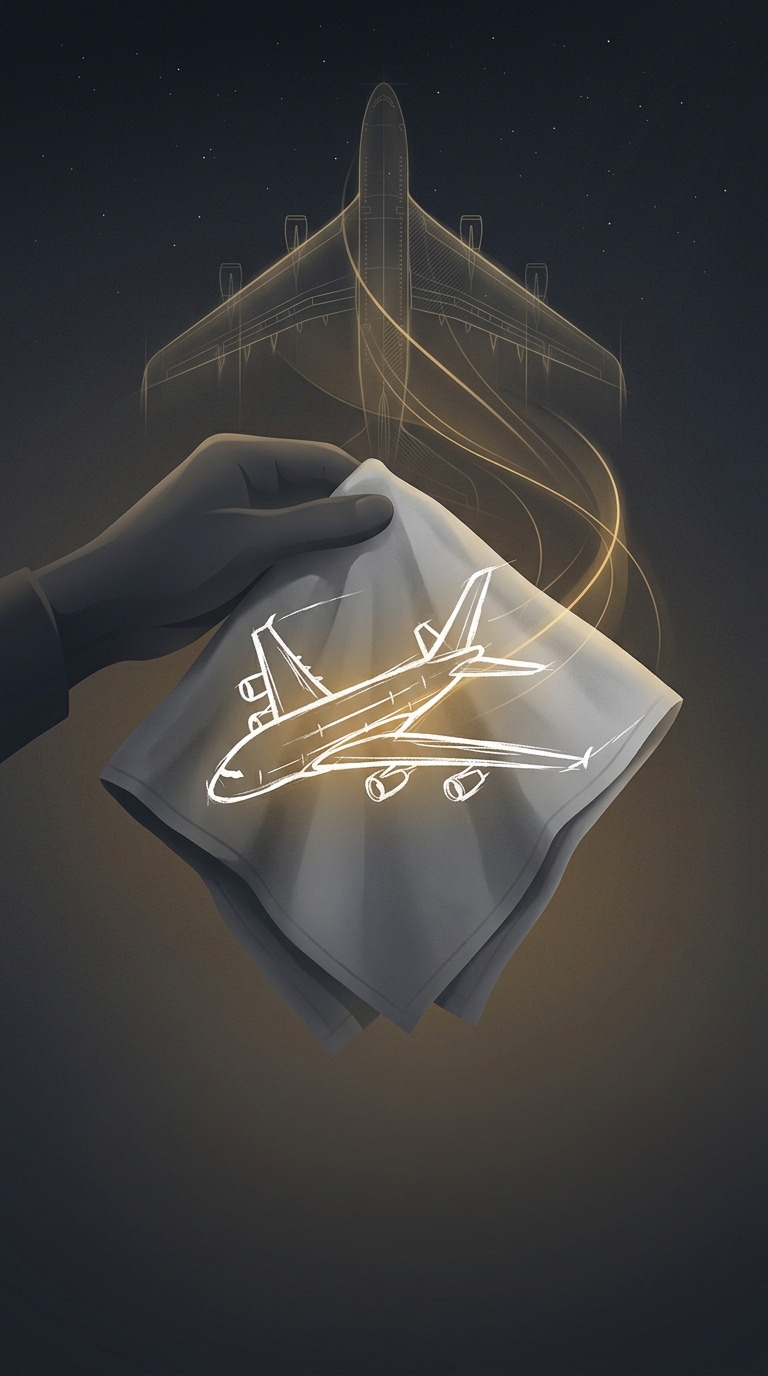
The nose door is not a feature of every passenger 747; it belongs to versions designed for freight. But the raised cockpit that makes the door possible became part of the family’s recognizable shape. A quick early sketch could suggest that basic arrangement. Turning it into a working aircraft meant engineering a nose that could open while preserving a strong, pressurized fuselage—and leaving room for cargo to pass through.