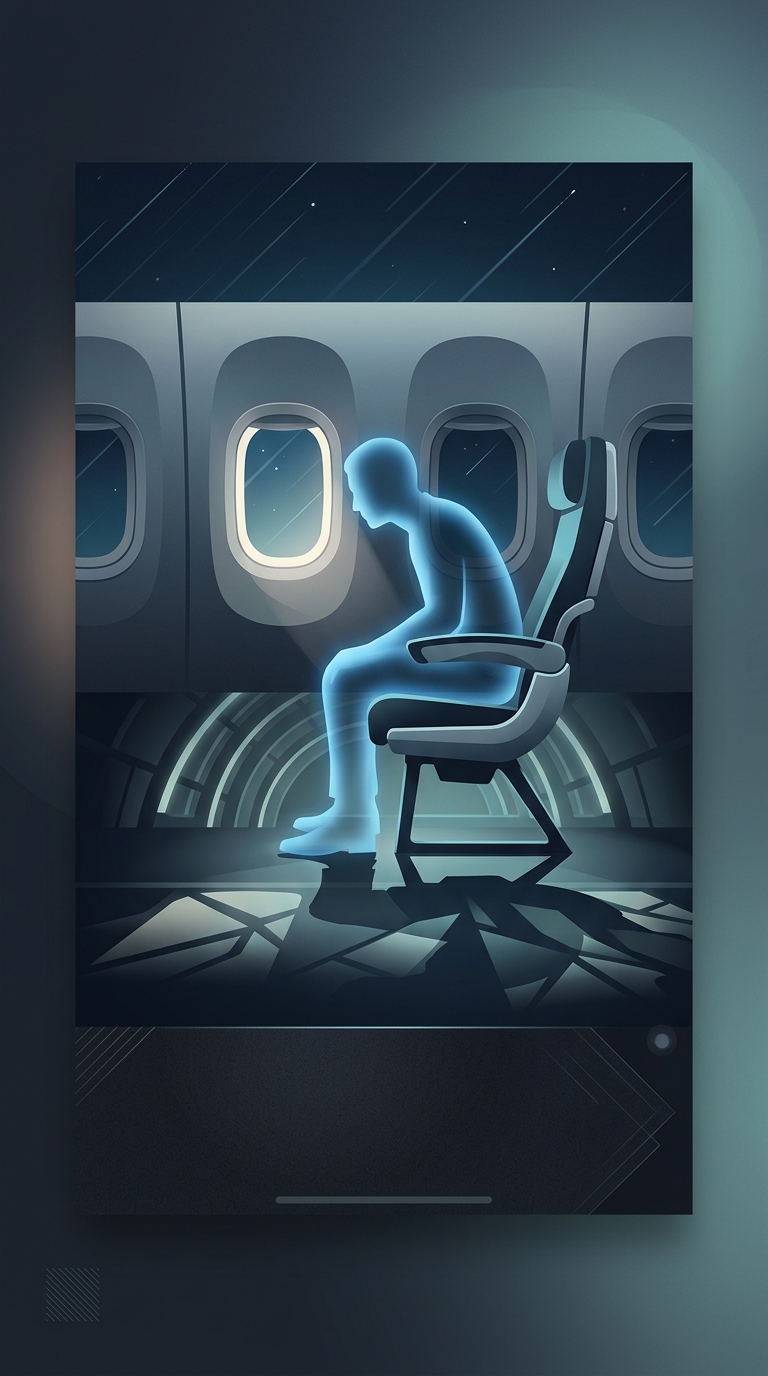
The fuselage sets the window rhythm
An airplane’s windows are built into its fuselage, the pressurized outer shell. Their positions have to work with the aircraft’s structure, so they follow a repeating pattern along the body. That pattern is part of the airplane’s design—not a promise that each window will sit beside a seat.
Airlines arrange the seats around a different plan
Seat rows are laid out to fit the cabin: how many passengers the airline wants to carry, how much legroom it offers, and where aisles, doors, galleys, and lavatories go. Those choices determine seat pitch, the distance from one row to the next. Because row spacing can vary by airline and even within one cabin, the rows may not line up with the fuselage’s fixed window pattern.
A cabin refit can change the seating plan without changing the airplane’s windows. And near doors or cabin dividers, the usable space may require an unusual row position. The result is familiar to travelers: a window can fall between seats, or beside the shoulder of one passenger rather than directly in front of them.
A window seat is a row label, not a guarantee
“Window seat” means the seat is at the side of the cabin; it does not guarantee a window centered on that seat. Airlines and aircraft layouts differ, so a row number alone cannot ensure the view. The mismatch is a visible reminder that the cabin is fitted into a structure whose dimensions and openings were set for the aircraft, not for each passenger’s preferred view.