How a chemical turns down a nerve
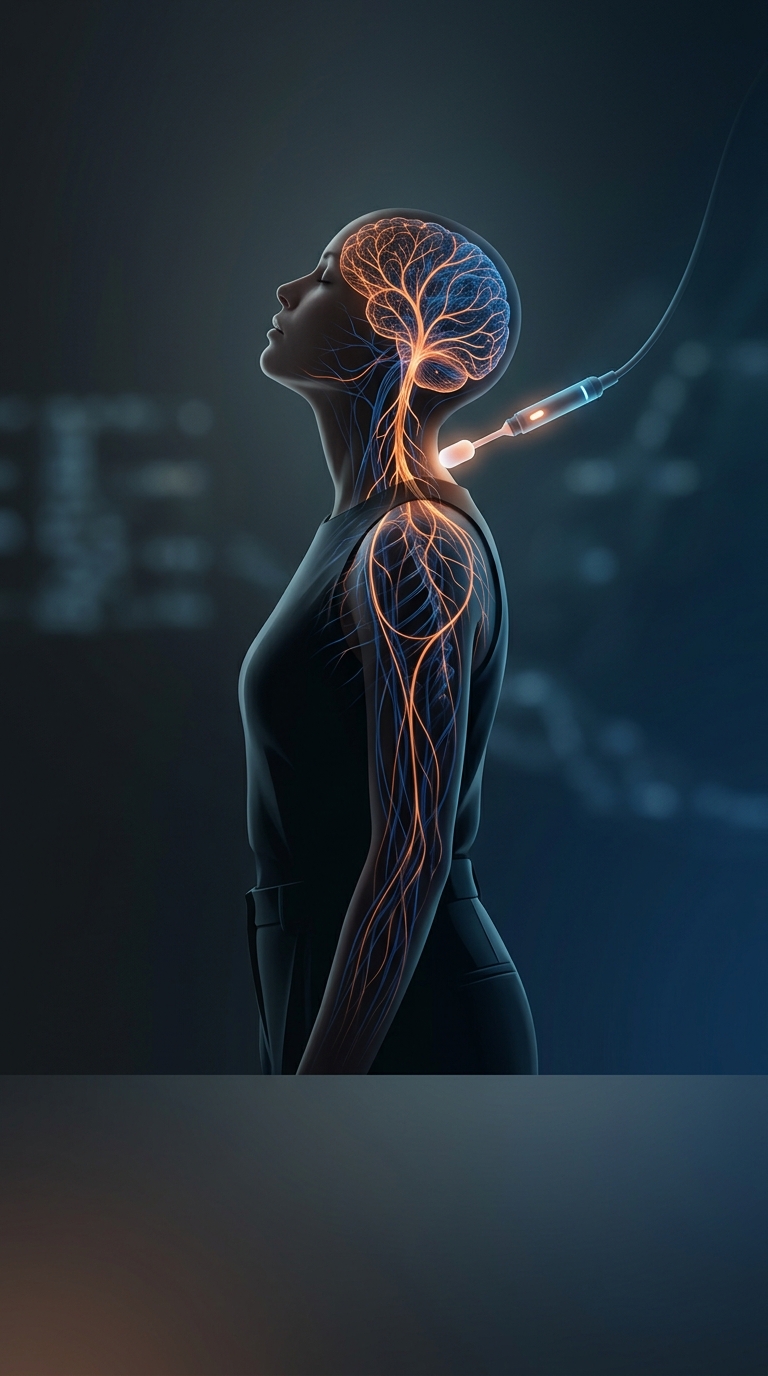
A pain signal travels when a nerve cell sends brief electrical impulses along its length. Procaine interrupts that process by blocking sodium channels—tiny gates in the nerve’s outer membrane that let electrical activity move forward. With those gates blocked near an injection site, nearby nerves cannot reliably carry pain messages to the brain. The effect is limited to the treated area rather than switching off awareness throughout the body.
Keeping cocaine’s useful effect, changing the tradeoff
Cocaine had shown that numbing a specific area could make procedures possible without general anesthesia, but its risks made it a poor routine choice. In 1905, German chemist Alfred Einhorn developed procaine as a synthetic local anesthetic. Sold under the name Novocain, it gave clinicians another way to interrupt pain transmission without relying on cocaine’s particular pattern of dependence and toxicity.
That did not make procaine harmless: like other medicines, it could still cause adverse reactions, and its effects did not suit every procedure. Its importance was that it helped establish a broader idea in medicine: the pain-blocking effect of a drug could be separated from cocaine itself. Later local anesthetics, including lidocaine, offered different durations and practical advantages, but the basic strategy remains visible whenever a dentist numbs one tooth while the patient stays awake.