A small change between two versions of Yoda
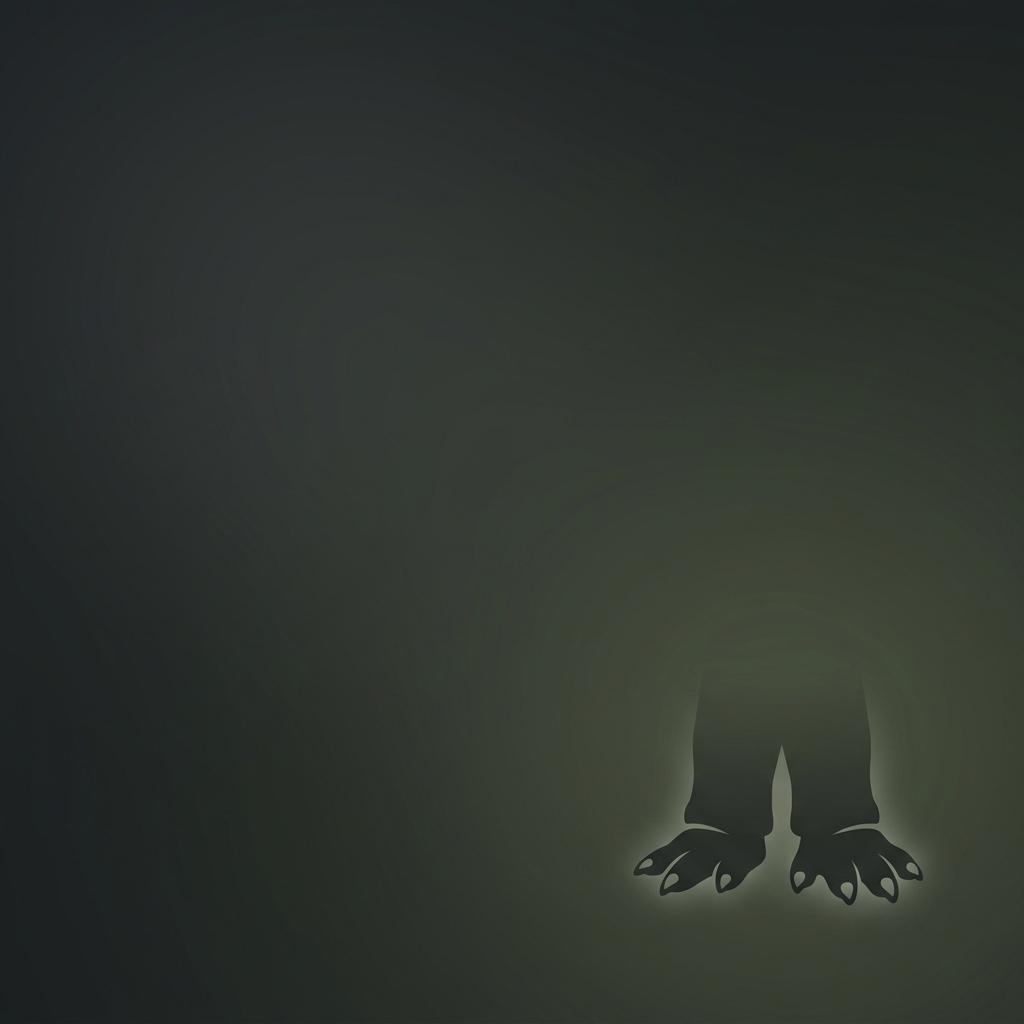
In the original films, Yoda’s feet have three toes each. The prequel films’ computer-generated model gives him four. That makes the difference easy to spot in a close look at his feet—and harder to explain as part of the story, because the films never account for it.
The change sits at the boundary between two kinds of filmmaking. The original Yoda was a physical puppet, whose appearance was embodied in a constructed object. The prequel version described here was a CGI model: a digital character built from shapes that could be adjusted and animated on screen. Those are different production forms, but the change in toes alone does not reveal why the model was made that way.
Continuity is more than a character’s face
Audiences tend to recognize a character by major features—Yoda’s face, ears, voice, and way of moving. But a detailed model also has smaller design choices, from the shape of a hand to the number of toes. When one of those details changes, the character can remain unmistakably Yoda while still looking slightly different across films.
The extra toe is therefore a quiet continuity gap, not a plot point: the prequels present a revised visual version without giving the revision an in-universe cause. It is the sort of tiny production detail that can survive unnoticed until viewers compare the two versions side by side.