How one-sided chewing can change the jaw’s outline
Each time you chew, the masseter—the thick muscle running from the cheekbone to the lower jaw—contracts to close your teeth. Like other skeletal muscles, it can grow when it repeatedly handles more work. If you favor one side for months or years, that side’s masseter may become more developed, adding fullness near the angle of the jaw.
The difference is gradual, not a sudden shift
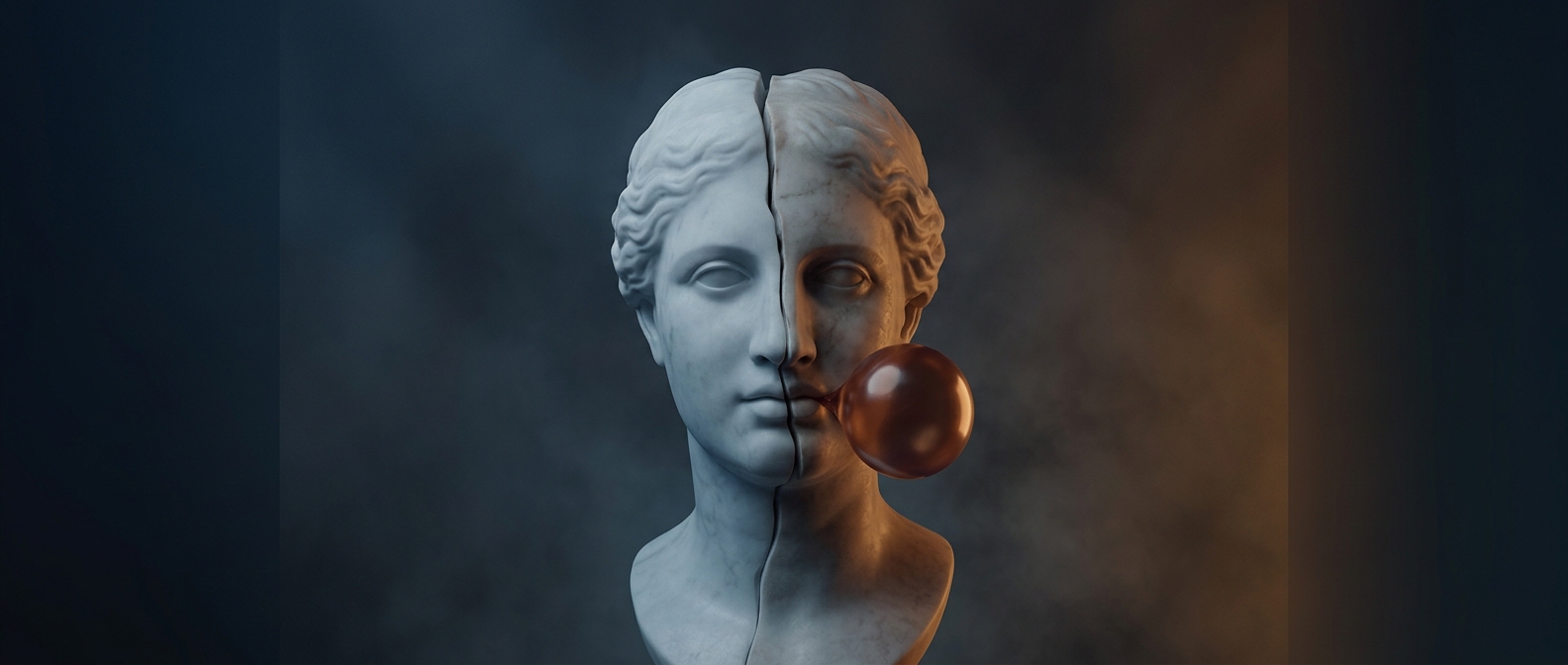
The muscle does not move the jawbone into a new position with every bite. Instead, repeated loading can change the soft tissue over it. If the two masseters grow to different degrees, the lower face may look less symmetrical, especially when the muscles are clenched. How noticeable this becomes varies from person to person.
Chewing preference is only one possible contributor to an uneven-looking face. Natural differences between the two sides are common, and tooth or jaw problems can also affect how someone bites or chews. A persistent one-sided habit may therefore be a clue to notice—not proof that chewing alone caused the difference. The useful detail is that the jawline’s visible shape includes working muscle, not just bone.