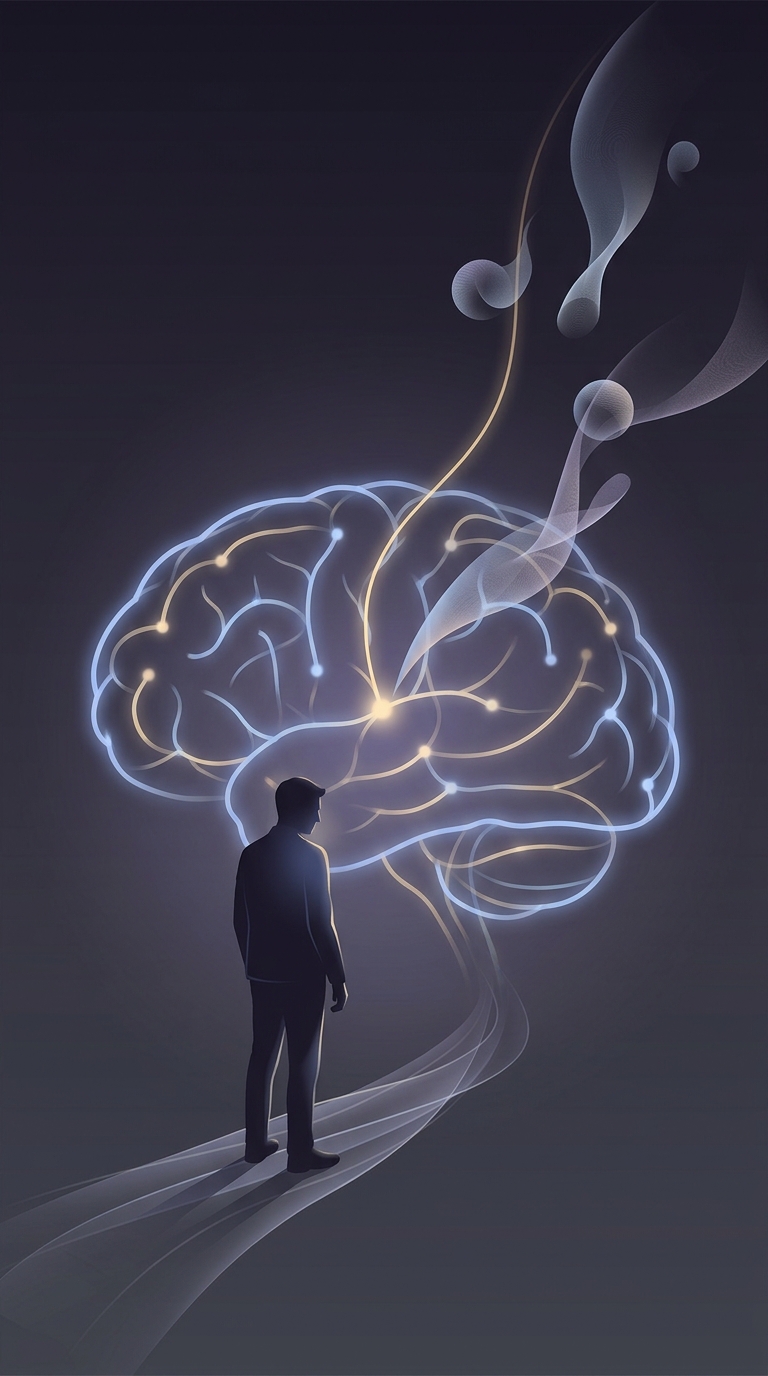
How chewing sends a signal to the brain
Chewing gum is a small but continuous piece of work for the jaw. Each bite activates muscles and sensory receptors that report movement, pressure, and position to the brain. Much of that information travels through the trigeminal nerve, a major pathway carrying sensation from the face and signals involved in jaw movement.
The brain also adjusts circulation as it responds to activity. Research has found that chewing can increase blood flow in parts of the brain, alongside changes in alertness. The movement itself may help keep a person engaged: unlike sitting still, chewing supplies a steady stream of sensory input.
Why the effect may reach attention and memory
A modest rise in arousal can make it easier to stay alert during a dull or repetitive task. That offers a plausible route from chewing to better performance on some attention or memory tests: the gum may help a person remain ready to respond, rather than directly strengthening memory or making the brain work better in every respect.
The distinction matters. More blood flow is a sign that brain activity and circulation have changed; it is not, by itself, proof of a lasting cognitive benefit. Findings on performance vary with the task and conditions, so gum is better understood as a possible short-term aid than as a dependable memory enhancer.
A brief boost, not a substitute for rest
Chewing recruits both the body and the brain in a way that is noticeable but low-effort. If it helps, the likely payoff is a temporary nudge in alertness while the chewing continues—not a stored improvement that persists after the gum is gone. The striking part is how a repetitive jaw movement can send enough sensory traffic upstairs to alter the brain’s state, even when the mouth is doing little more than keeping time.