How a trigger can push back
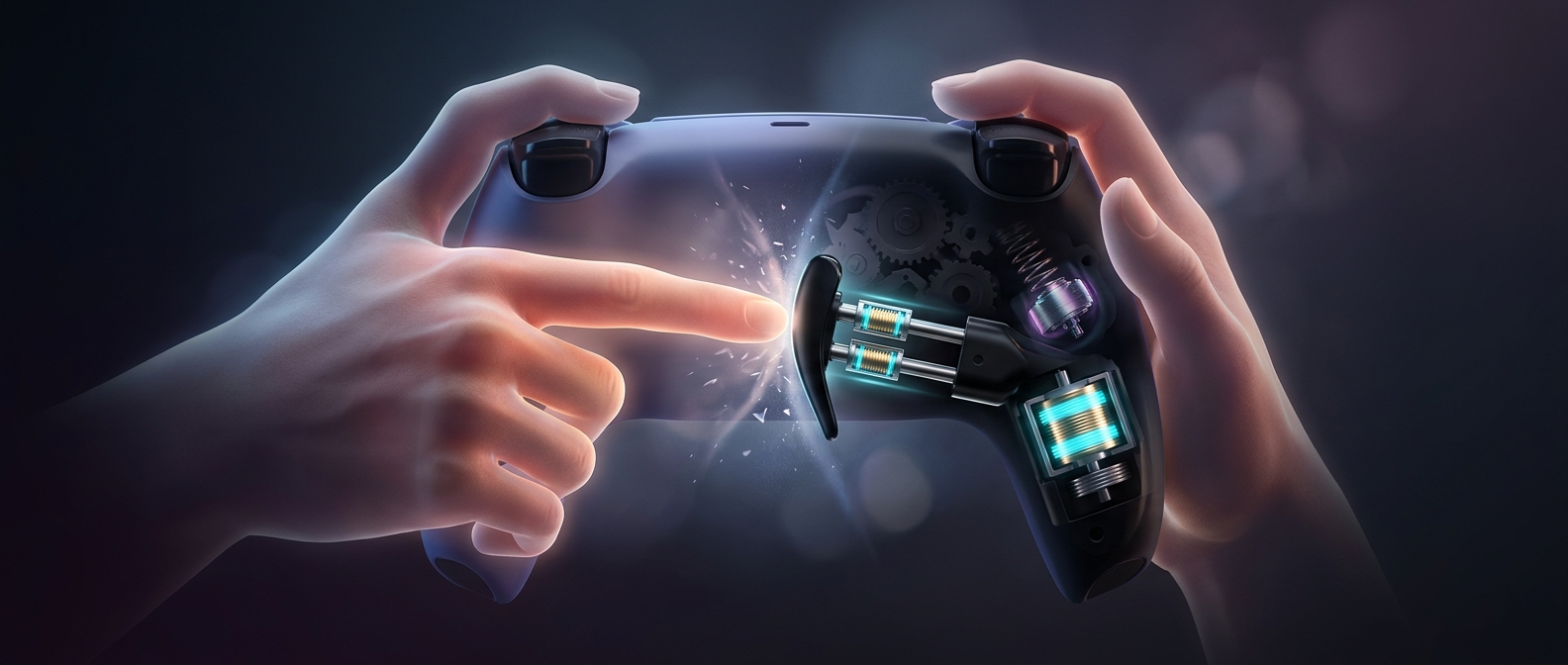
A conventional controller trigger is mainly a spring-loaded lever: press it, and the spring yields in a fairly predictable way. In controllers with motorized trigger resistance, a small actuator and gear train add a second, controllable force. The game can tell the controller what is happening, and the controller changes how much the trigger resists as your finger moves.
That resistance is not just a vibration. It is force against the press. The gears help the actuator apply that force through the trigger, so a pull can feel heavier, stop short, or change resistance partway through its travel.
Turning a game action into a sensation
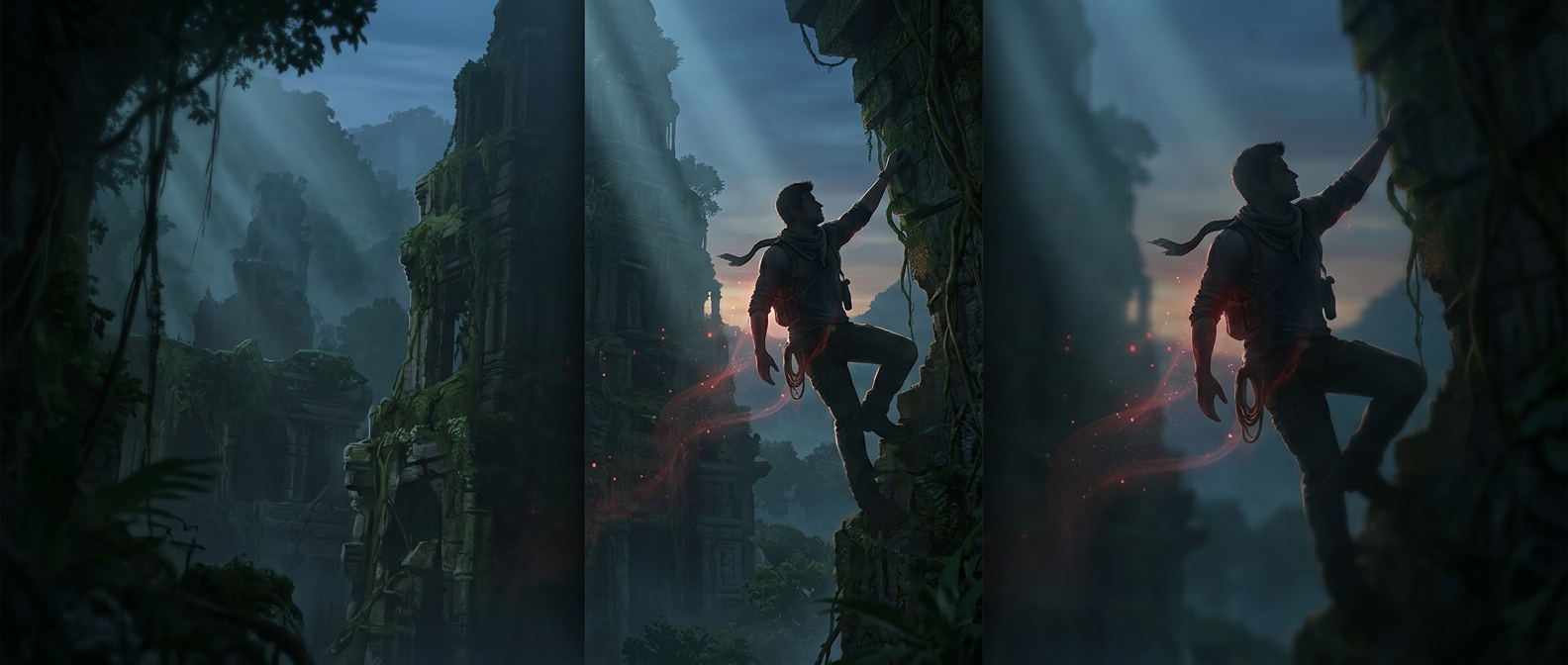
To suggest a bow, a game can make the trigger progressively harder to pull, echoing the increasing tension of a drawn string. A weapon action might instead produce a brief, distinct resistance or a change in feel. The precise effect depends on the controller and the game’s programming; the same trigger can feel different from one moment to the next.
The useful design choice is that the feedback is tied to the action under your finger. A vibration can signal that something happened, but changing resistance makes the press itself feel like part of the event. That can make an interaction more legible without adding a new button or asking the player to look away from the screen.
A physical effect with limits
The mechanism does not reproduce the real weight or force of a bow or weapon. It creates a small, controlled sensation at the trigger, shaped to communicate a game action. The result is a reminder that a controller is not only sending commands to a game: in some moments, the game is also sending a carefully timed force back to your hand.