Why the brain can remain affected after critical illness
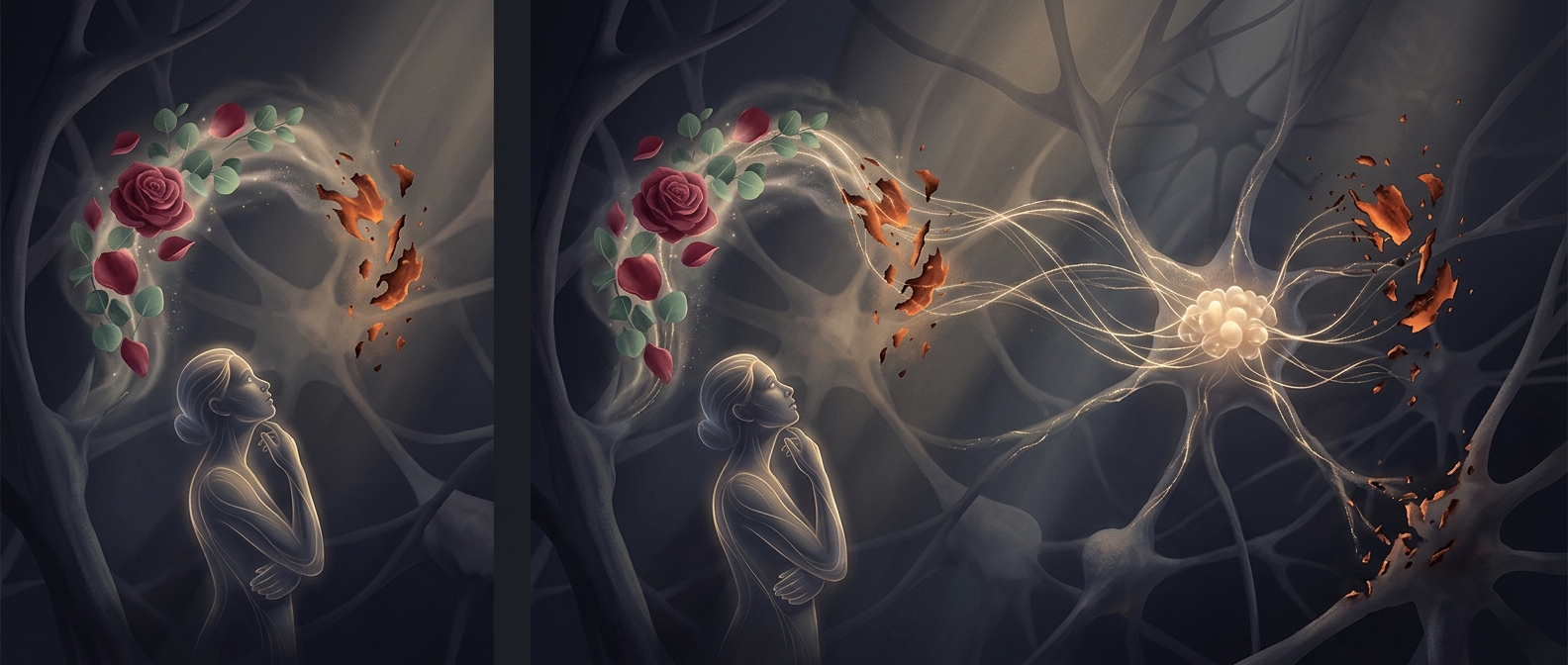
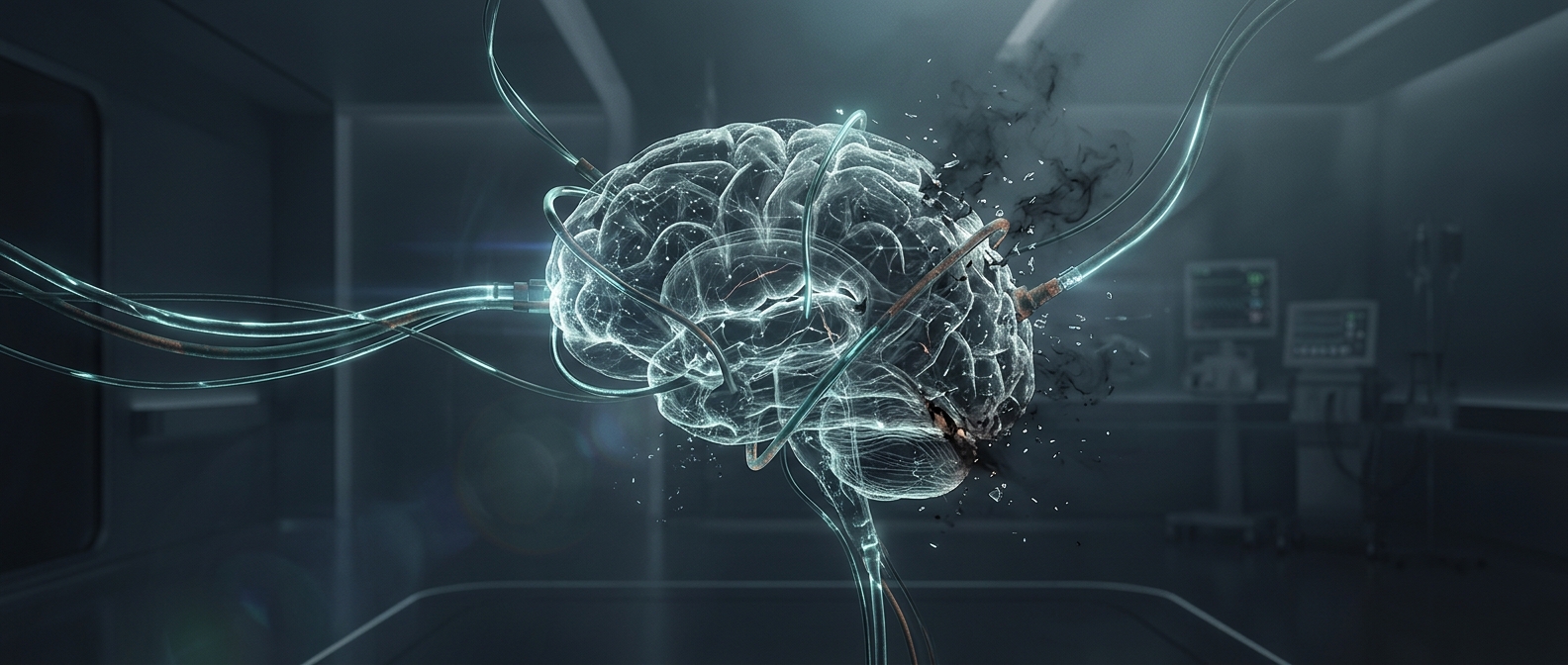
An intensive care unit treats immediate threats to life, but the conditions that bring someone there can also disrupt how the brain works. Severe infection, organ failure, inflammation, and changes in oxygen or blood flow may all contribute. At the same time, pain, unfamiliar surroundings, interrupted sleep, and medicines can make it harder for the brain to stay oriented and alert.
Delirium is more than ordinary confusion
Delirium is a sudden change in attention and awareness. A patient may lose track of where they are, misunderstand what is happening, or move between agitation and unusual sleepiness. It can come and go, which means a person may seem clear at one moment and confused later. Delirium is a sign that the brain is under strain, not necessarily evidence of permanent damage.
Sedatives are sometimes needed to ease distress or make treatments such as mechanical ventilation tolerable. They can reduce alertness and make it difficult to assess thinking while a patient is receiving them. But lingering cognitive problems cannot be attributed to sedation alone: the underlying illness and the stresses of intensive care may also play roles.
Recovery can outlast the hospital stay
After discharge, some survivors notice trouble concentrating, remembering recent events, planning tasks, or following a conversation. These problems are often grouped among the cognitive effects of post-intensive-care recovery. They can interfere with ordinary activities—such as keeping track of appointments—even when the medical crisis has passed. Improvement may take time, and the course varies from person to person.
That gap between surviving the emergency and feeling mentally well again is why recovery is not measured only by leaving the ICU. A familiar task, like reading a page or organizing a day, can reveal how much rebuilding is still happening.