How a ranking change can make an account disappear
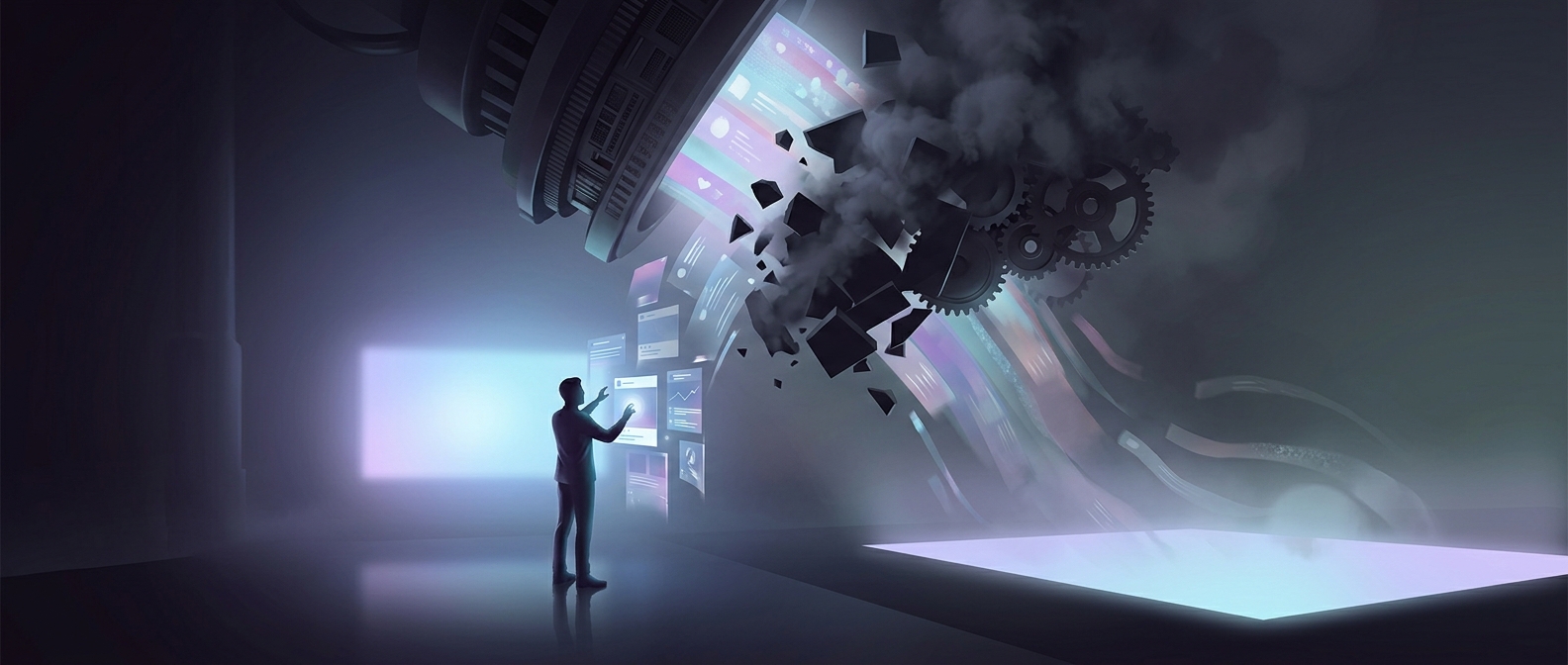
A social platform’s feed is usually a ranked selection, not a simple list of every post in time order. When its recommendation system changes what it favors, a fan account can keep publishing at the same pace yet appear in fewer followers’ feeds. Posts may still be available on the account’s page; the loss is in how often the platform places them in front of people.
For fan communities, that difference matters. Their activity depends on repeated circulation: one person posts, others share or respond, and the content reaches people who might not visit the account directly. Less placement can mean fewer interactions, which may in turn give the system fewer signals to distribute those posts. A change that looks technical from the platform’s side can therefore feel like a sudden silencing from inside the community.
Turning scattered frustration into a visible demand
A hashtag gives many users a shared label for posts about the same grievance. Instead of complaints remaining isolated in separate accounts and conversations, participants can search for the tag, find one another, and show that the problem is collective. Coordinated posting also creates a visible burst of discussion that is harder for platform staff and other users to overlook than a stream of unrelated individual complaints.
That visibility is a form of pressure, not a guarantee of a fix. A platform may respond by reviewing the ranking change, explaining its effects, or adjusting distribution; the hashtag alone cannot establish what caused the drop or dictate the remedy. But it changes the cost of ignoring the complaint: the platform must contend not only with reduced reach for fan accounts, but with a public conversation about that reduction. The protest turns an invisible feed-ranking decision into something users can point to together.