What “being in two places” means
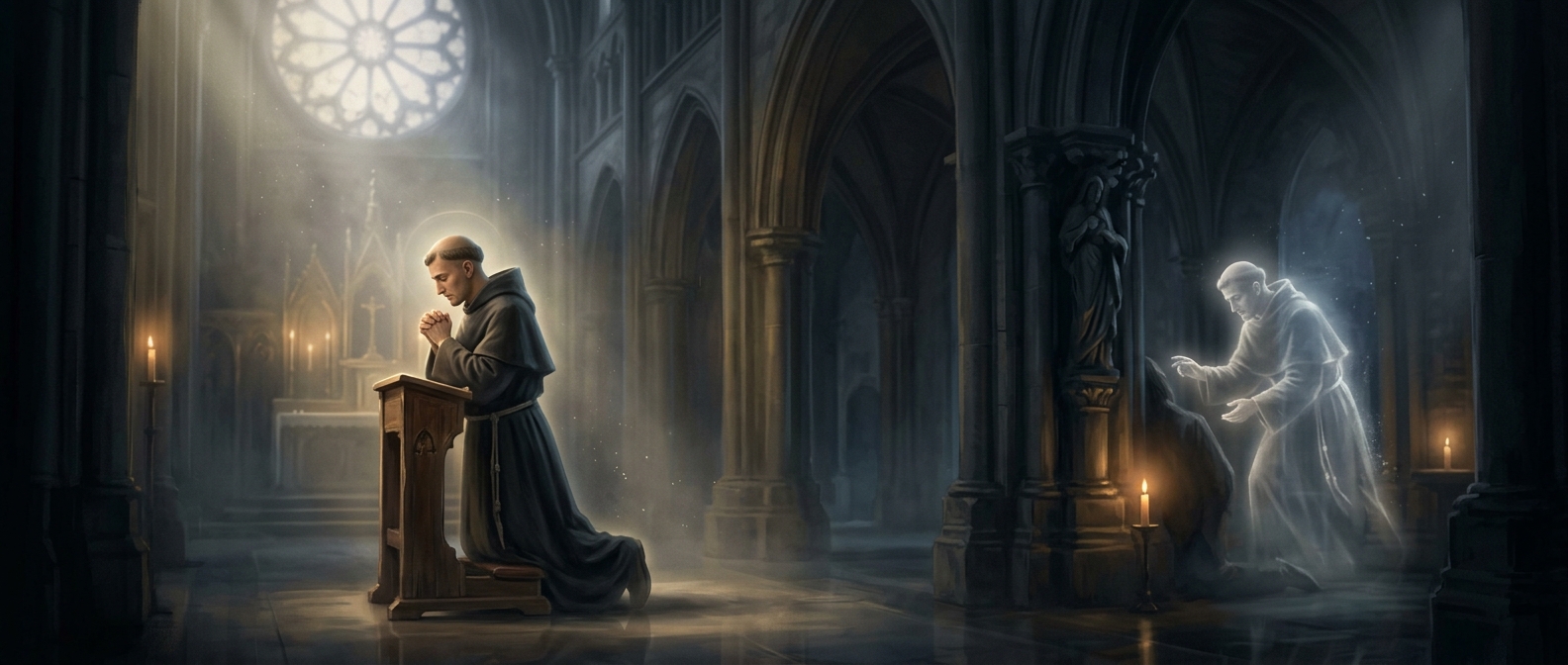
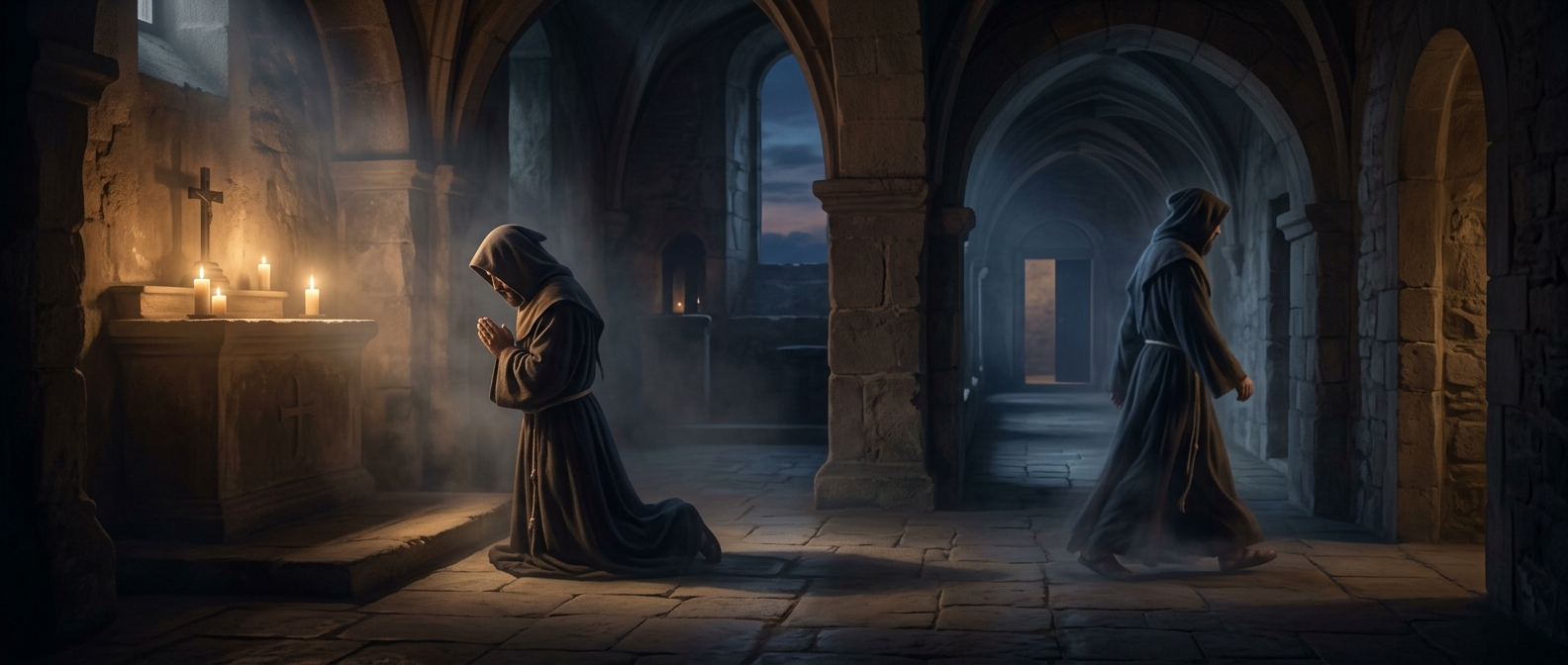
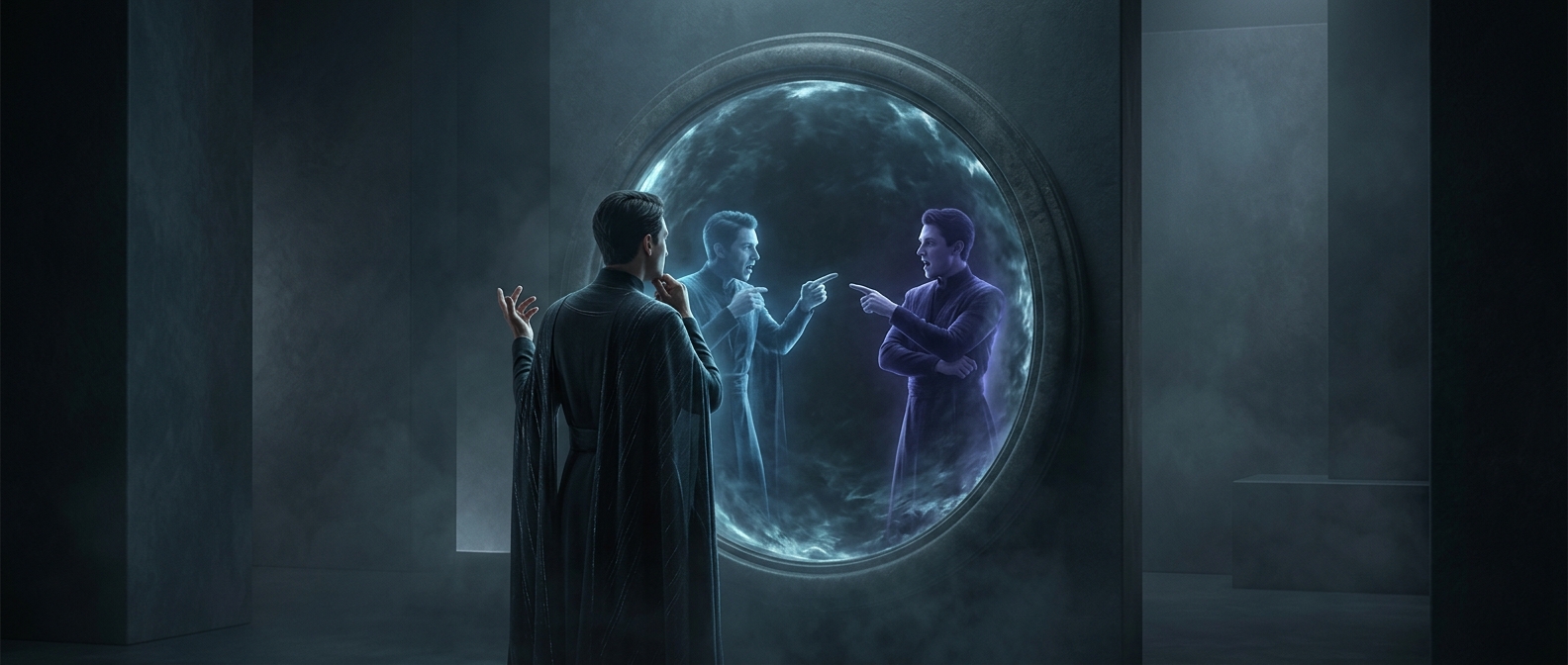
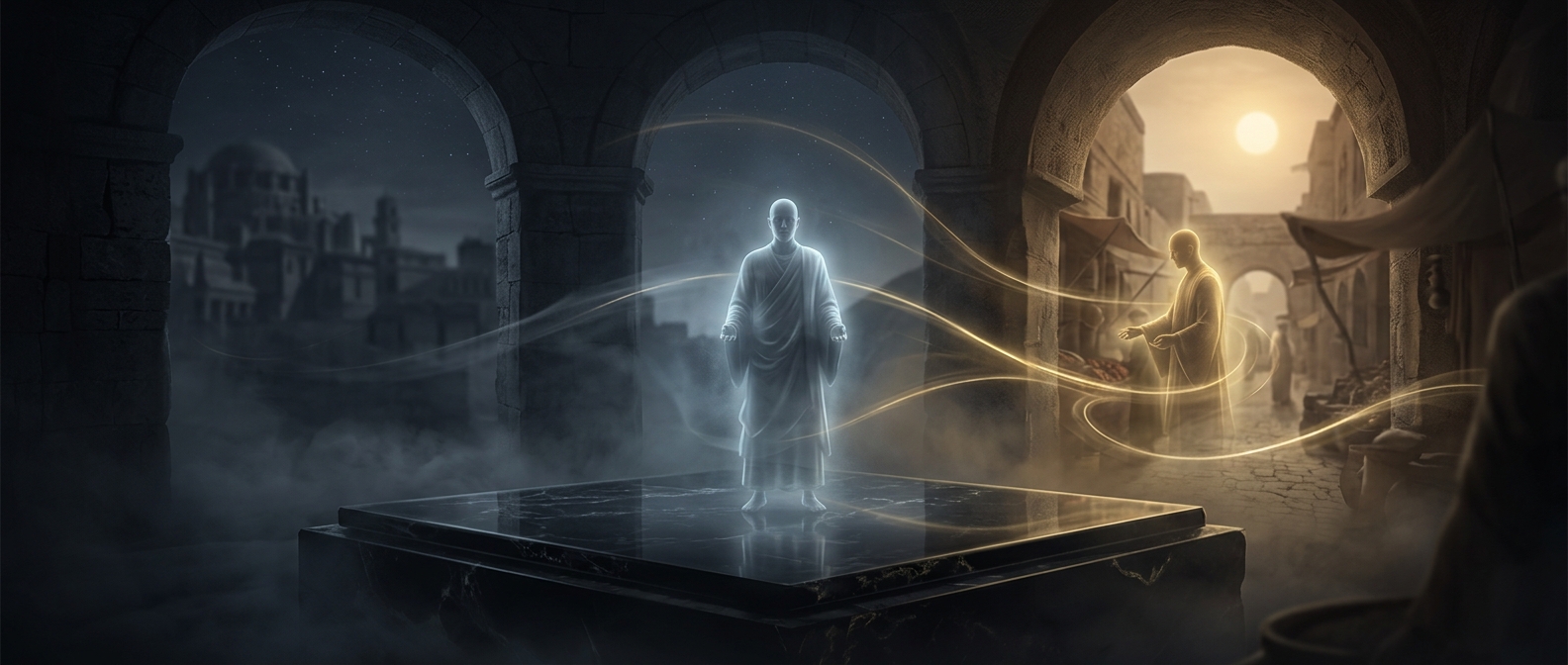
In mystical traditions, bilocation is the reported experience of one person appearing in two locations at once. Accounts often distinguish it from ordinary travel: the person is said to remain physically in one place while being perceived elsewhere, sometimes as a visible figure and sometimes through a vivid encounter. The term describes the claimed event; it does not, by itself, explain how it happens.
That distinction matters because stories can mean different things by “presence.” One account may describe witnesses seeing a figure, while another may describe a dream, vision, or inward certainty that someone was nearby. These experiences can carry deep meaning for those involved without all belonging to the same category of event.
Why the stories matter
In religious storytelling, bilocation can express the idea that spiritual presence is not confined by ordinary distance. A revered person’s unexpected appearance may be understood as protection, guidance, or evidence of holiness. The story’s force therefore lies not only in the alleged appearance, but in what witnesses believe it revealed about the person and their relationship to the sacred.
Because these accounts depend on testimony and interpretation, they are difficult to assess by the standards used to establish a physical event. That leaves an important distinction: bilocation is a meaningful motif and reported experience in mysticism, not a demonstrated way for a body to occupy two places at once.