A convent story reaches across an ocean
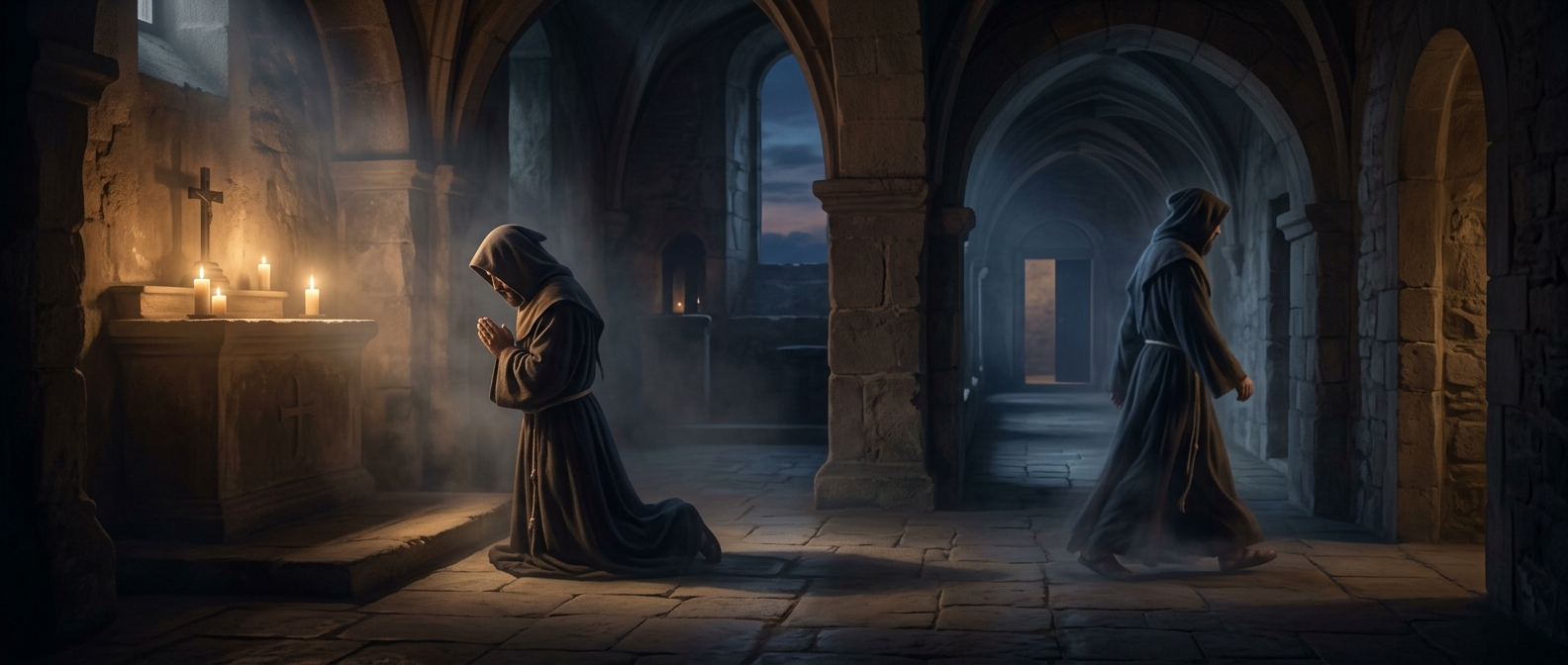
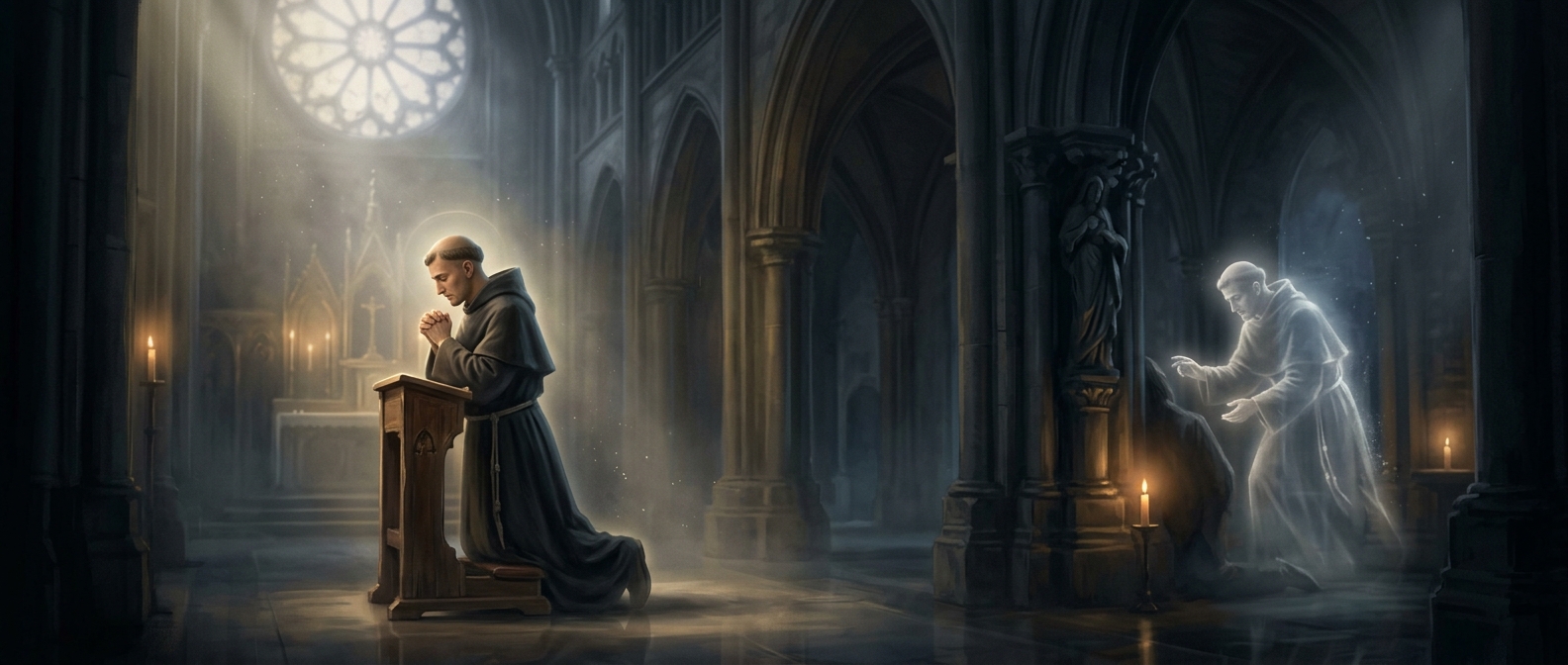
María de Jesús de Ágreda, a 17th-century Spanish Franciscan nun often called Mary of Ágreda, became associated with accounts of bilocation: the belief that a person can appear in two places at once. According to the story, she remained in her convent in Spain while appearing to Indigenous people in distant lands and teaching them about Christianity.
The tale made an enclosed life seem unexpectedly expansive. A nun bound by the routines of her convent was described not as traveling by ordinary means, but as crossing an immense distance through a spiritual event. That distinction mattered to believers: the story presented religious teaching as something that could reach people even when its supposed messenger could not physically leave home.
Why the account carried weight
Stories of these appearances became part of accounts of Christian contact with Indigenous communities in the Americas. They offered a striking explanation for reports that people far from Spain had encountered Christian ideas before missionaries arrived. In the story, Mary’s visits were evidence of divine intervention; they also gave her a reputation that extended well beyond her convent.
The claim belongs to religious tradition, not to an established account of ordinary travel. Its importance lies in what it expressed to those who told and believed it: spiritual presence could overcome physical distance, and a hidden life of prayer could have consequences in places the nun herself had never reached by conventional means. That is how a story about a cloistered woman became a transatlantic legend.