When lay penitents took penance into the streets
In the mid-14th century, groups of laypeople traveled from town to town in public processions, whipping themselves as an act of repentance. The practice became especially visible during the Black Death, when people sought ways to respond to catastrophe and believed collective penance might help win divine mercy. Their processions turned private religious anguish into a public, dramatic ritual.
Why church leaders saw a threat
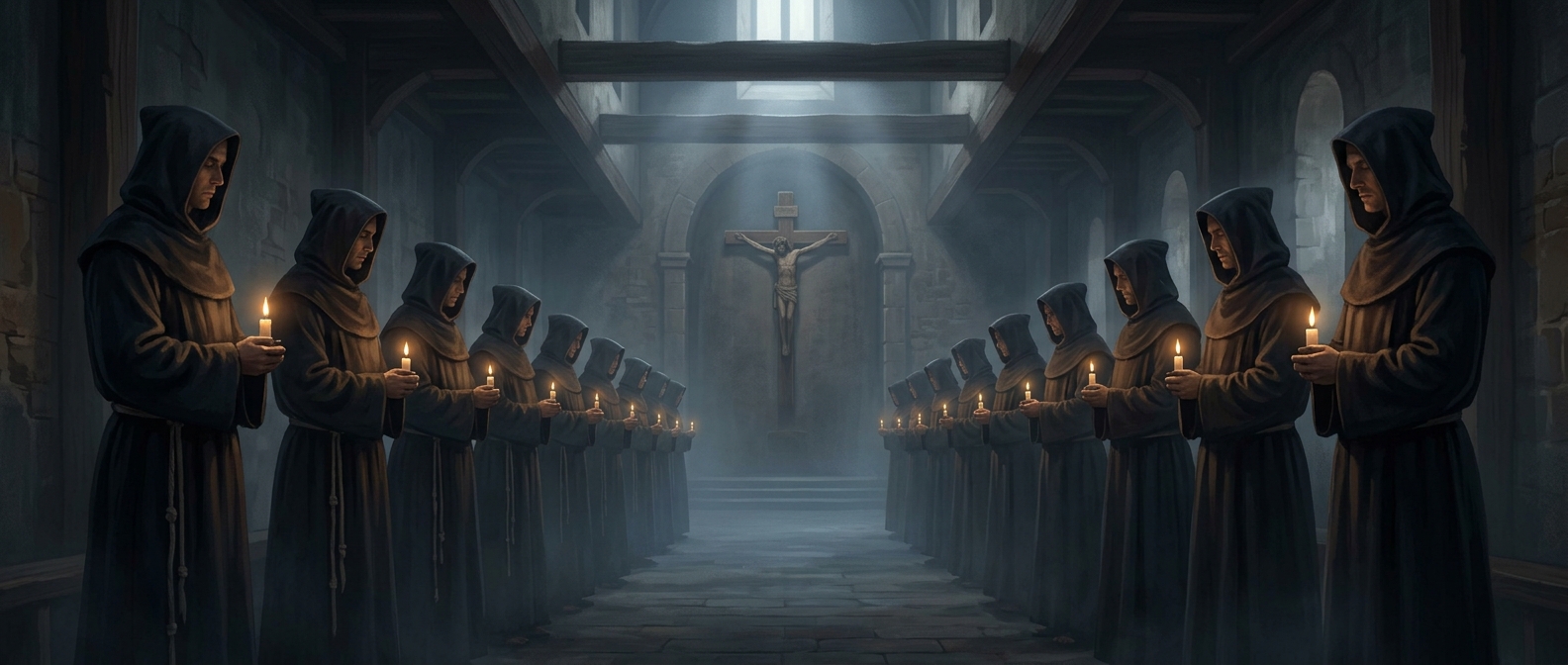
The issue was not simply that the participants injured themselves. In Catholic practice, penance was tied to the authority of the clergy, who heard confessions and guided acts of repentance. Wandering bands instead organized their own ceremonies, attracted crowds, and could present their movement as a direct route to spiritual relief. That made them more than an unusual devotional group: they could compete with local priests for trust and influence.
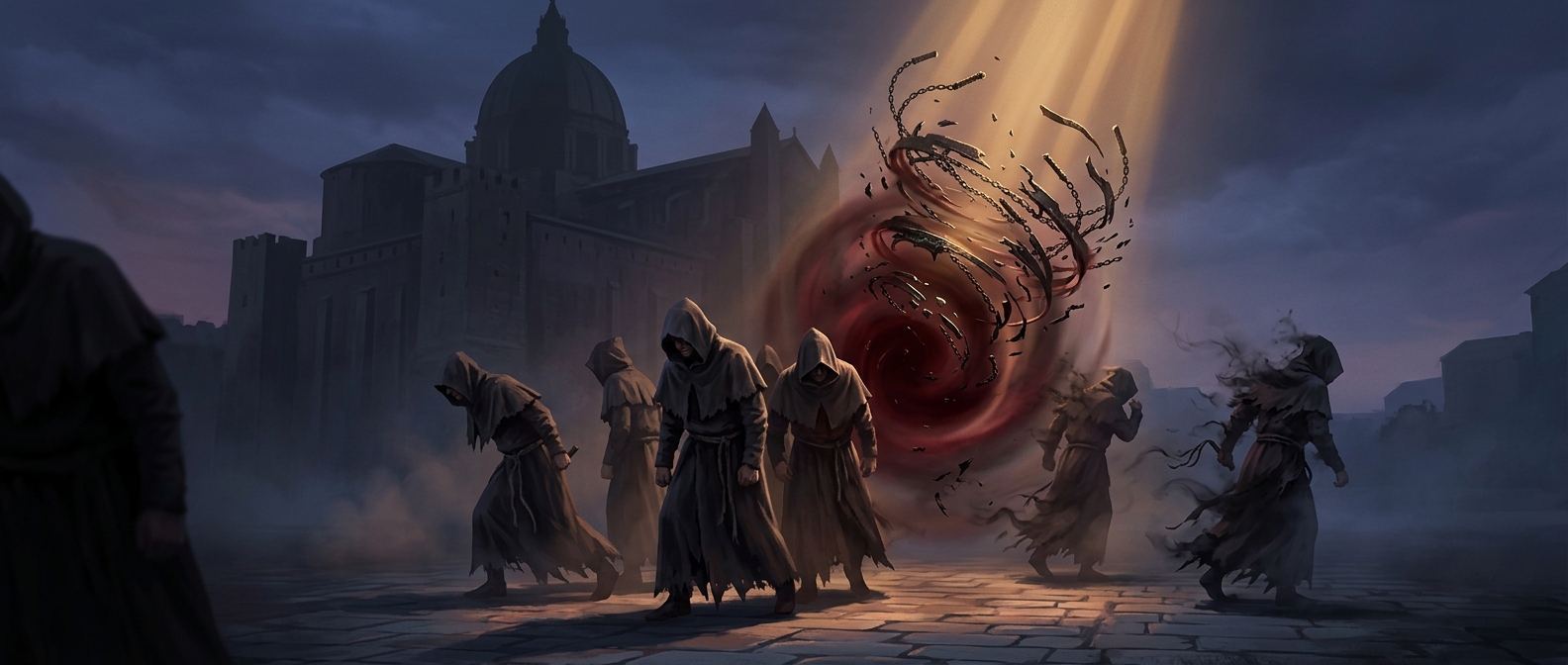
In 1349, Pope Clement VI condemned the flagellant movement and ordered authorities to suppress its unauthorized gatherings. The decree asserted that public religious discipline could not be organized independently of the church’s hierarchy. The dispute was over who had the authority to define and administer penance—not only over the sight of blood in the streets.