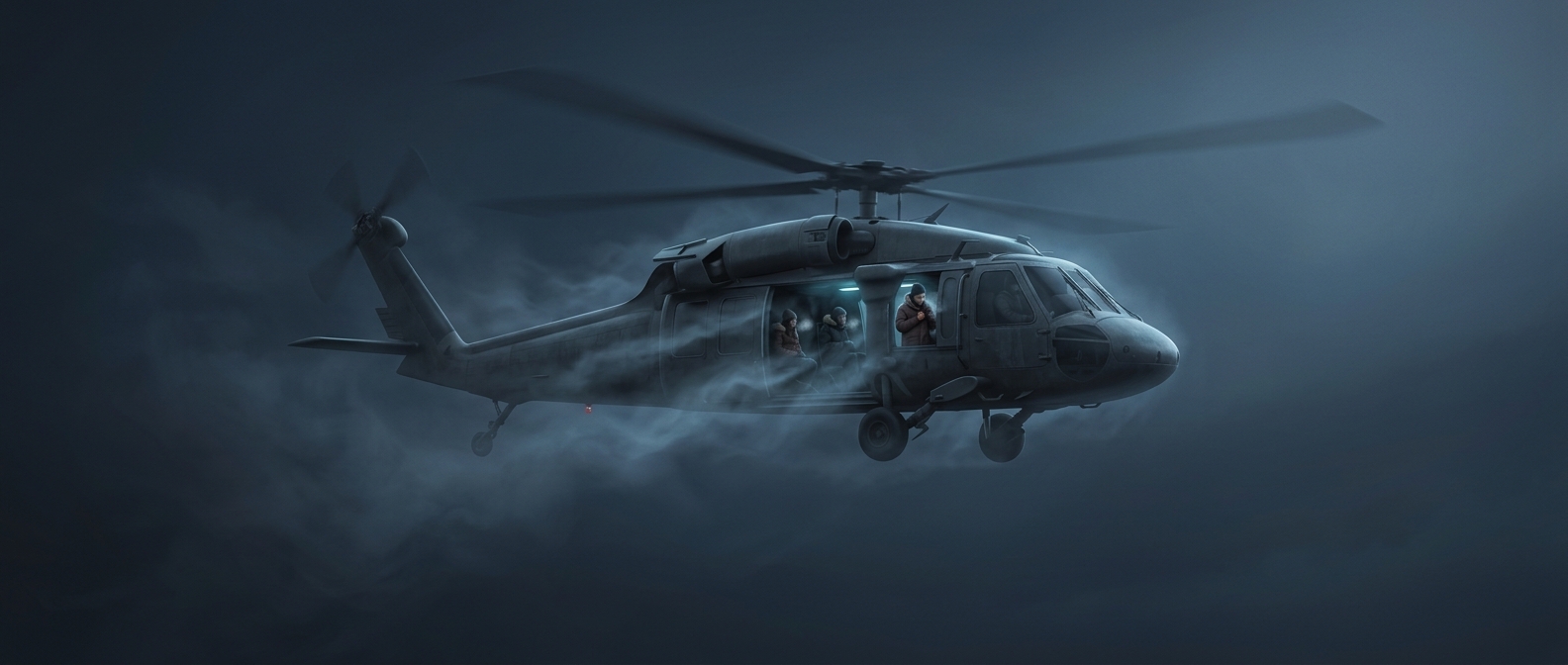
The cabin follows the helicopter’s operating altitude
A pressurized aircraft keeps the air inside its cabin at a higher pressure than the thin air outside. That matters most on flights high enough for reduced air pressure to make breathing harder. Most passenger helicopters spend their time much lower, where the surrounding air is dense enough that a pressure-controlled cabin offers little practical benefit.
Helicopters also often need to reach places that favor flexible, lightweight designs: rooftops, small clearings, and landing sites near rugged terrain. A pressurized cabin would need to be sufficiently sealed and structurally strong to hold pressure. That adds weight and complexity—costs that can reduce useful payload, such as passengers or equipment.
Why altitude changes the breathing equation
At high altitude, the air still contains roughly the same proportion of oxygen, but the lower pressure means each breath delivers less oxygen to the body. Around 15,000 feet, passengers need supplemental oxygen rather than relying on ordinary cabin air. Without enough oxygen, people can become impaired before they fully recognize what is happening.
A helicopter can therefore avoid carrying a heavy cabin-pressure system while still operating at altitudes where breathing support matters. The tradeoff is straightforward: for a high-altitude flight, oxygen equipment—not a pressurized cabin—is the practical way to give passengers the oxygen they need.