Why Milford Sound Is a Fjord
The distinction is in how the valley was made. A fjord is a deep, steep-sided valley carved by a glacier and later filled by the sea. A sound, in the broad geographic sense, is a sea passage between landmasses. Milford Sound’s name reflects an old naming choice; its shape tells the geological story. Māori know the place as Piopiotahi.
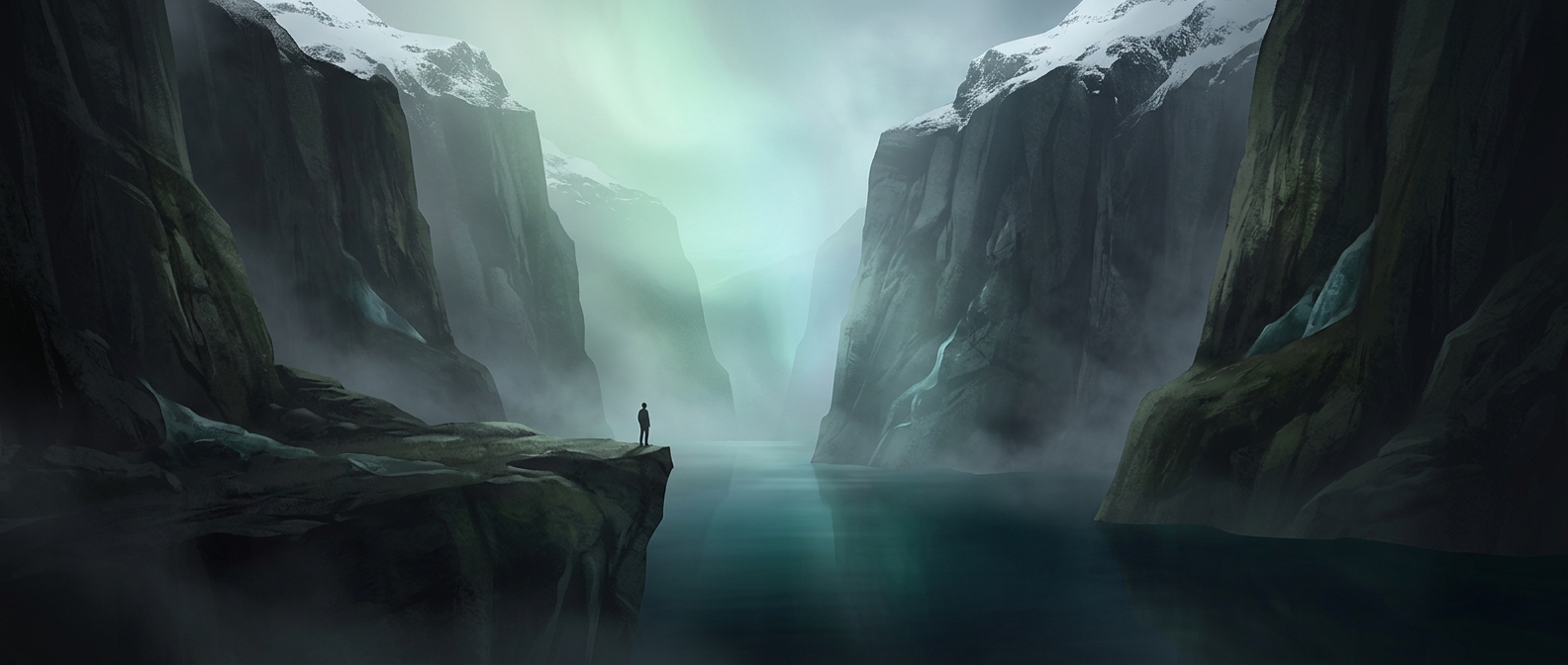
During ice ages, moving ice pressed down and ground away at the valley, leaving a broad, U-shaped trough with unusually steep sides. When the glacier retreated, seawater entered the low-lying valley. The result is a long inlet whose cliffs rise abruptly from the water—more like a flooded glacial trench than a passage formed by the sea alone.
Rain Makes the Fjord Look Different
The steep landscape also shapes what visitors see from the water. Milford Sound receives heavy rainfall, and water runs quickly down its rock walls, feeding temporary waterfalls. After rain, streams carry dark, plant-derived material into the fjord. That freshwater can form a surface layer over the denser seawater, giving the water a darker appearance and changing conditions near the surface.
So the name is not the best guide to the landscape. Milford Sound is a fjord because of its glacial origin—and its sheer walls and rain-fed falls are visible traces of that history.