Why a seat assignment can feel like a draw
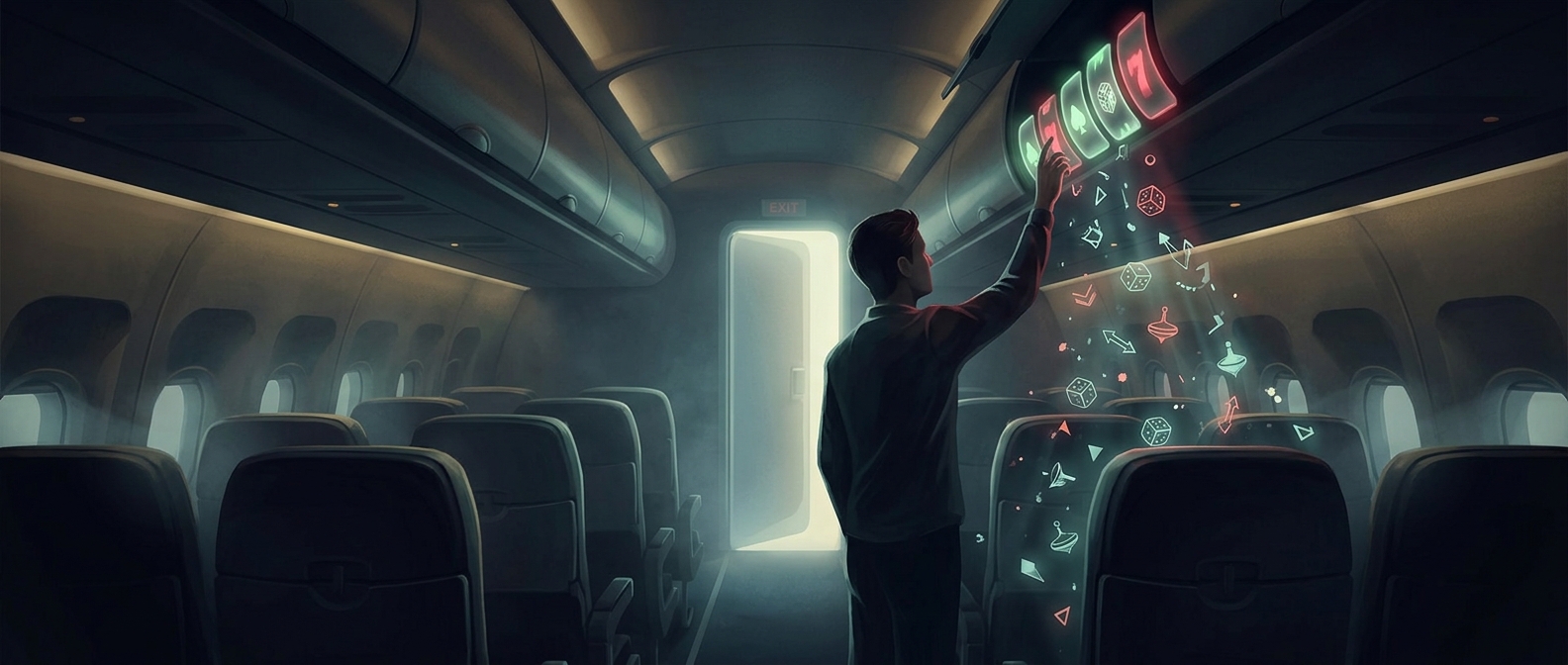
When a low-cost fare does not include choosing a seat, the airline still has to put you somewhere. Its reservation system assigns an available seat, often during check-in. The result can seem arbitrary because the system is fitting many passengers into a cabin, not trying to give each person the window or extra space they would prefer.
The outcome depends on what is left when assignments are made. A late check-in may mean fewer seats to choose from, while a booking made with other travelers may be handled differently from a solo booking. Airlines’ systems and policies vary, so an unselected seat is not necessarily a literal random draw.
The uncertainty is part of the fare structure
Seat choice is also a service airlines can sell separately. A passenger who wants a window, an aisle, or seats together can pay to select from the seats the airline makes available for purchase. Passengers who decline that option accept a less predictable assignment instead.
That creates a clear tradeoff: keep the fare lower and accept whatever seat is assigned, or pay for more control. It also explains why two people on the same flight may have very different experiences—one has chosen a seat, while the other is working with what the assignment system provides.
Why the stakes feel bigger than a seat number
A middle seat between strangers can make a flight feel more cramped; a window seat offers a view and a place to lean. Legroom can matter even more, but it is tied to the particular row and aircraft layout, not simply to whether the seat is chosen or assigned. For travelers who need to sit together or have a strong preference, the gamble is less about luck than about whether avoiding uncertainty is worth the extra cost.