Why a Sleeper Train Can Be Hard to Sleep On
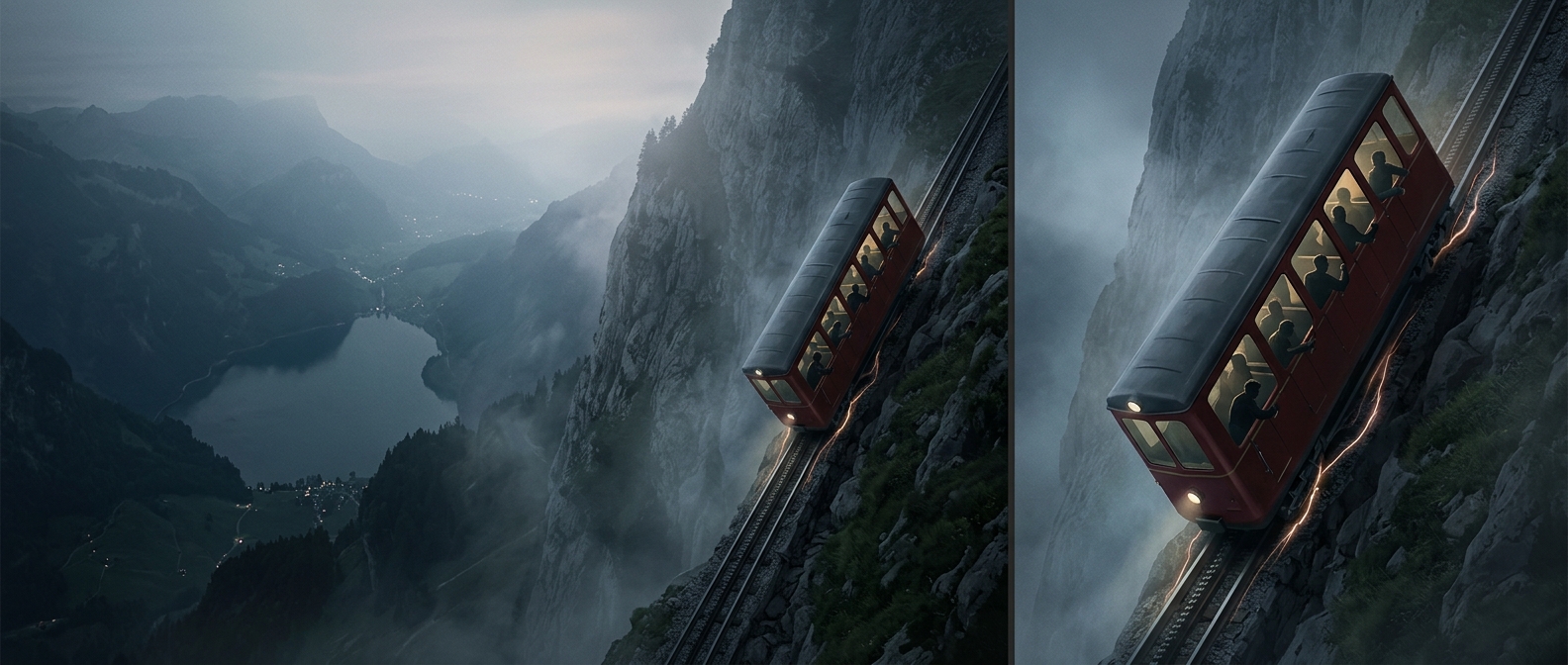
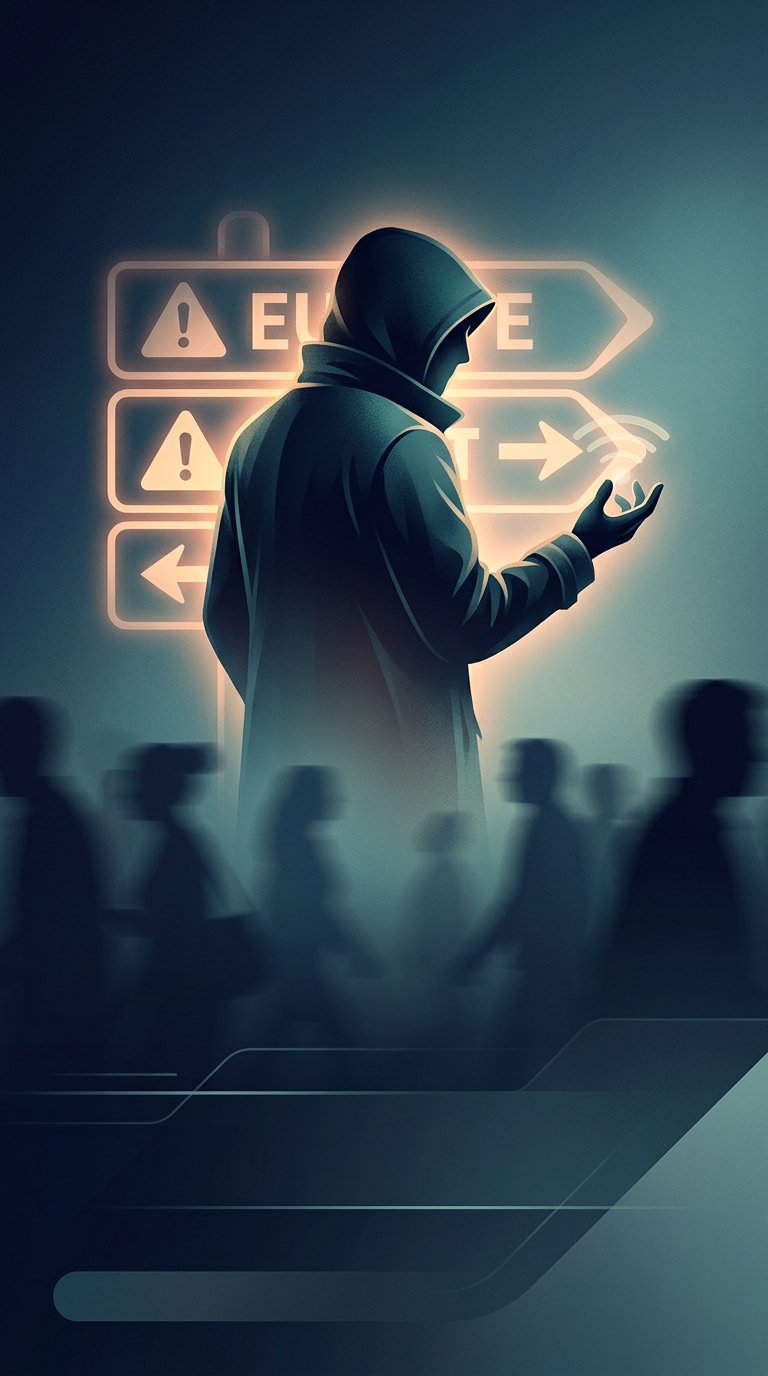
A sleeper train saves a night of hotel time by turning travel into a place to sleep. But a moving train is also a shared, changing space: passengers may board or leave at intermediate stops, staff pass through, and people use the corridor during the night. In a shared compartment, a traveler cannot assume that everyone nearby is part of the same group.
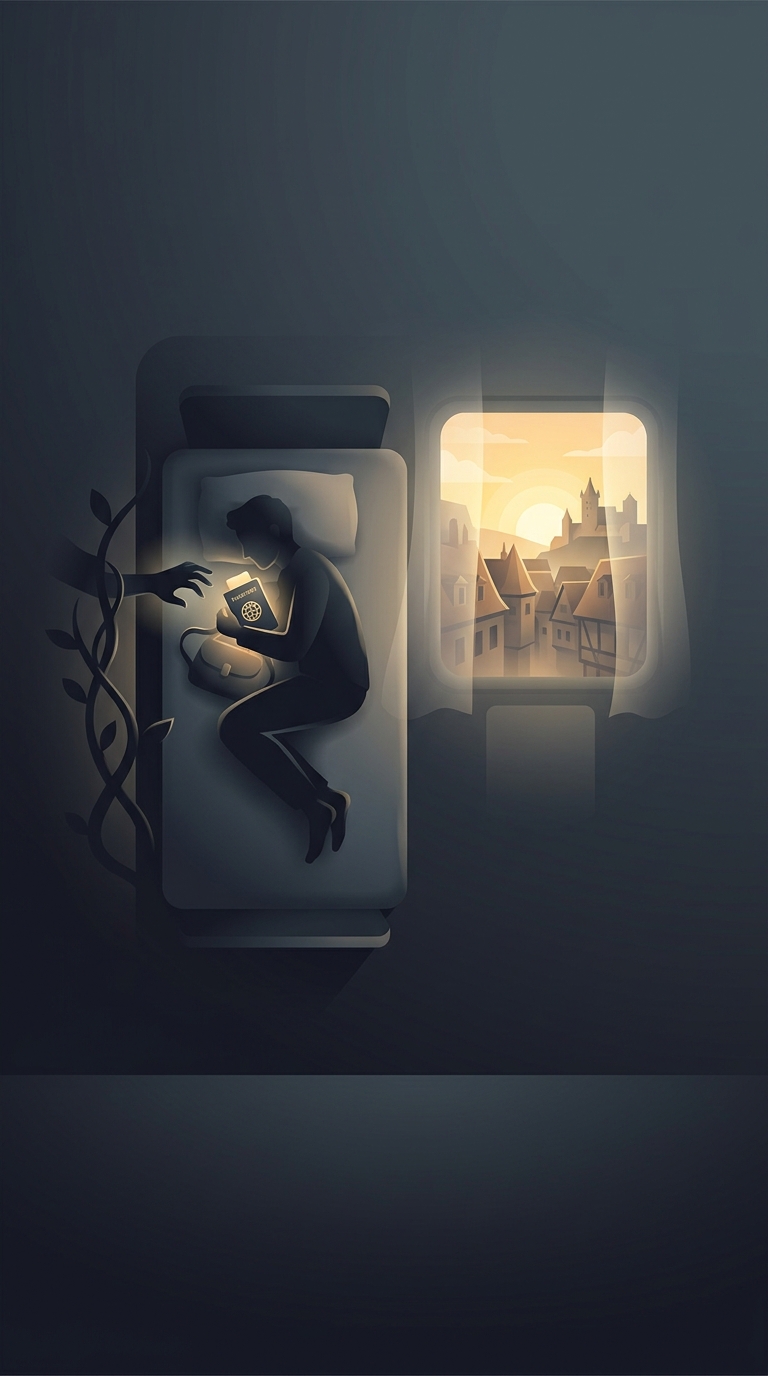
The security gap is often practical rather than dramatic. Compartment doors and their locks vary by train, and a door that is closed may not be securely locked from the inside. A light sleeper may notice corridor noise; a deeply sleeping passenger may not notice someone testing a handle or reaching for an item left within easy reach.
The Tradeoff Behind the Romance
Night trains make long distances feel effortless because the journey happens while passengers are off the clock. Yet the same arrangement that makes the trip convenient—sleeping in a compact compartment while luggage stays close—can leave valuables exposed if they are unattended or easy to access. Theft is a risk, not a certainty, and conditions differ among services and compartments.
A few choices can reduce the opportunity. Keep passports, cash, and phones on your person or secured in a bag that cannot be casually lifted; do not leave them on a berth or near the doorway. Check how the compartment locks before settling in, and ask staff about the available security arrangements if anything seems unclear. The key is to treat a sleeper as shared public transport with beds, not as a private hotel room. That small shift in expectations can make the night both safer and more restful.