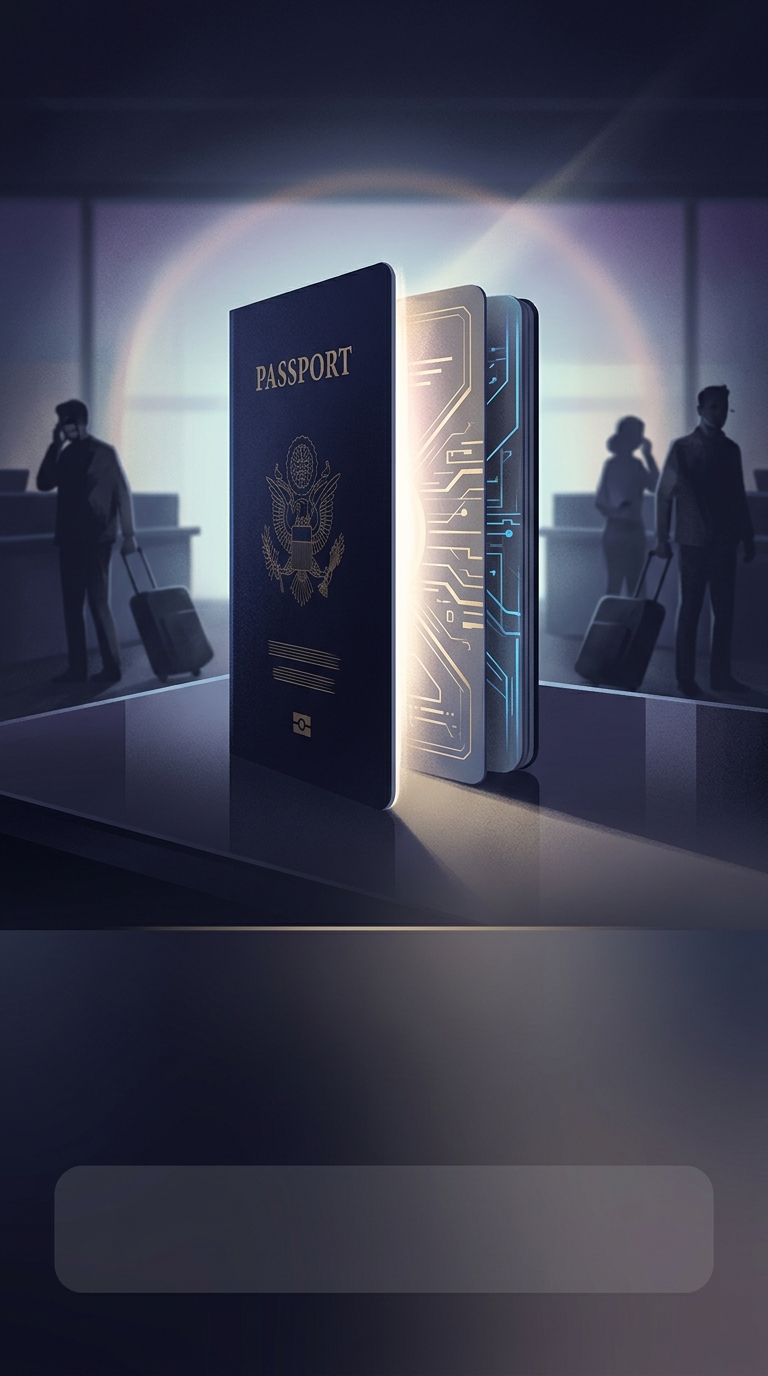
A passport’s reach is built through agreements
A passport does not grant entry by itself. It identifies the traveler and their nationality; the destination country decides whether that traveler needs permission before departure. When Japan or Singapore is near the top of the Henley Passport Index, the measure is the number of destinations their citizens can enter without first obtaining a traditional visa—not a guarantee of admission at the border.
That access reflects years of diplomatic negotiation. Countries may waive advance visas for one another’s citizens, often because they expect the arrangement to make travel easier while keeping manageable control over who enters. Strong diplomatic ties, extensive international travel and confidence in a country’s identity documents and border systems can all help create conditions for such agreements. No single factor explains every destination’s policy.
Less paperwork, more room to travel
An advance visa usually means applying before a trip and waiting for approval. A visa waiver removes that step for qualifying visits, saving time and expense. Some destinations still require an electronic travel authorization or charge a fee; others may issue permission on arrival. Index rankings distinguish among these entry arrangements according to their methodology, so “visa-free” does not always mean “no conditions.”
Even travelers who qualify may face limits on how long they can stay and what they can do. A short visit for tourism may be allowed without a visa, while working, studying or staying longer may require advance permission. Border officers can also ask about a traveler’s plans and documents.
Mobility is an advantage, not a blank check
For ordinary travelers, broader visa-free access makes spontaneous trips and multi-country itineraries easier to arrange. It can also spare people the uncertainty of applying for a visa before booking. But the index measures the reach of a nationality, not the traveler’s individual eligibility or the quality of every travel experience.
The practical payoff is simple: a traveler may be able to board a flight with less paperwork, while still needing to meet the destination’s rules on arrival.