The chip holds a digital face, not a live camera feed
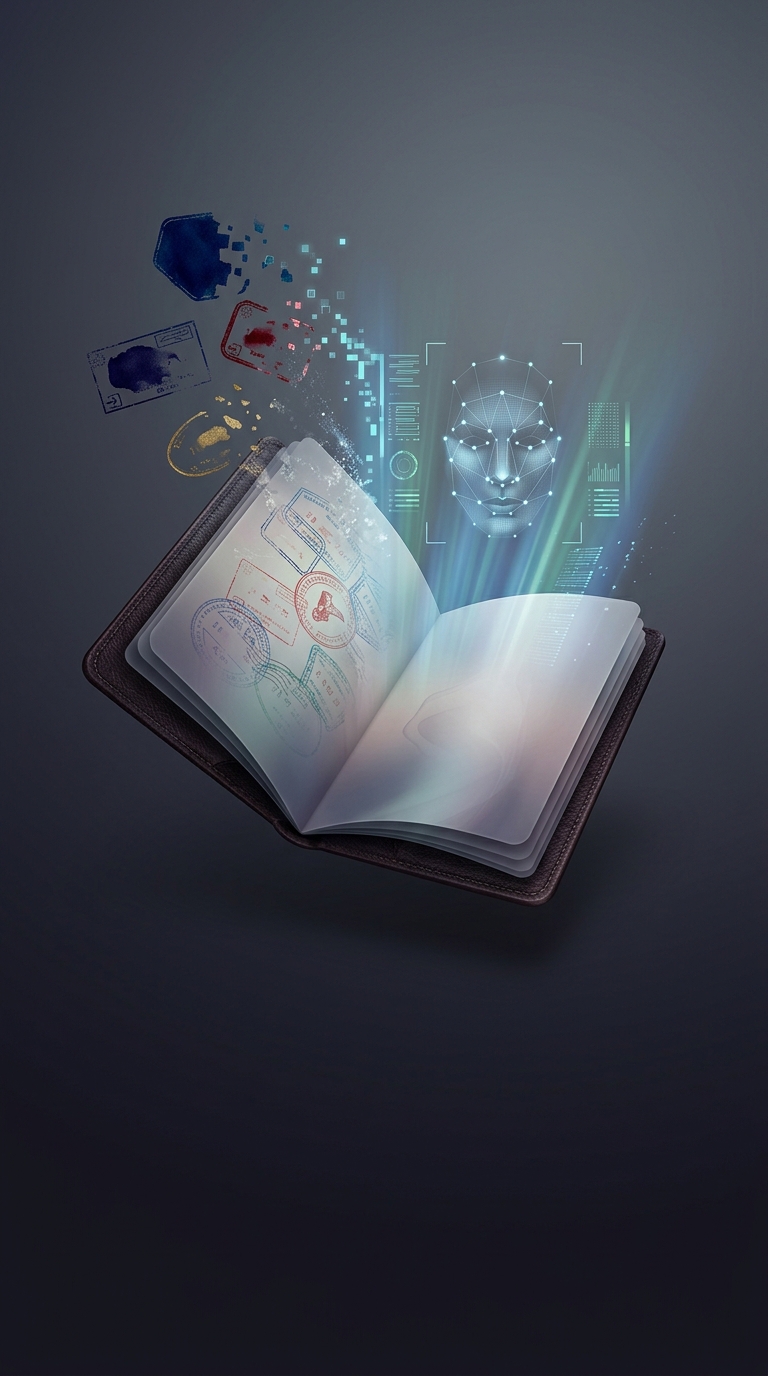
The small camera symbol marks an electronic passport: a passport with a contactless chip, usually embedded in its cover. The chip stores a digital version of the holder’s face image, along with identity details such as name, date of birth, and passport number. It does not contain a camera or record new images.
At a border, a reader retrieves the stored information and compares the digital face with the traveler standing in front of it. That gives officials a way to check that the person presenting the passport matches the document, rather than relying only on the printed photo.
What else is stored depends on the country
The chip’s contents are not identical worldwide. Some countries also store fingerprints or other biometric data; others do not. In many passports, the chip’s core information mirrors what is printed on the identity page, with the face image held in digital form for automated comparison.
Because a face image and identity details are sensitive, the chip is designed to be read through controlled procedures. Passport systems use digital security measures to help verify that the data came from an official issuing authority and has not been altered. The chip is passive—it responds when a compatible reader is brought close—so it is not a location tracker broadcasting a traveler’s movements.
The practical consequence is that a passport can be checked in two ways at once: officials can inspect its printed page, while the chip provides a digitally verifiable face and identity record.