How a border crossing becomes a digital record
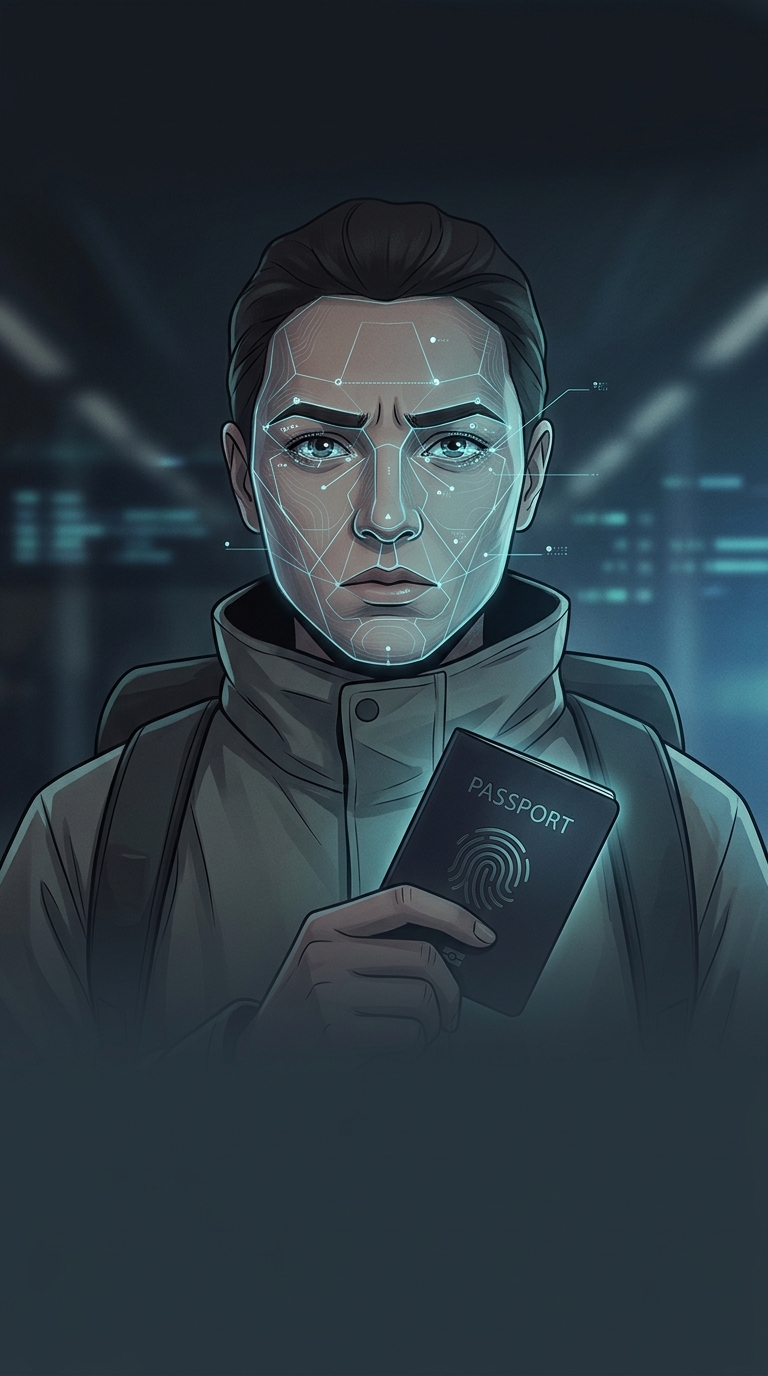
At a staffed desk, an officer can inspect a passport, ask questions and press an ink stamp onto a page. At an automated gate, the process shifts to identity matching: a camera captures the traveler’s face, and software compares it with the image stored in the passport’s electronic chip or with a government record. If the match and travel authorization check out, the gate can open without an officer stamping the book.
An electronic visa is a separate part of the change. It is permission to travel or enter stored in a government system, rather than a visa sticker or stamp in the passport. Together, digital identity checks and electronic permissions let authorities process many routine crossings with less manual handling. They do not make every border fully automated, and paper stamps remain in use in many places.
What travelers lose—and what replaces it
A stamp is an imperfect record: it can be faint, hard to interpret or missing after a hurried crossing. Digital systems can give authorities a searchable record of arrivals and departures, but that record may not be visible in the traveler’s passport. Systems also vary by country, so a neat, shared travel history is not guaranteed.
That difference matters when someone needs to document where they were—for an immigration application, a residency requirement or a personal travel log. A passport page once offered a compact record to show another official; increasingly, travelers may need to request records from the relevant authorities or keep their own documentation. A photo of a border crossing can recall the trip, but it is not the same as an official entry record.