What “SSSS” means at the airport
The code stands for Secondary Security Screening Selection. On a boarding pass for a flight departing the United States, it signals that the traveler must go through additional screening before boarding. It is not an accusation or a finding that someone has done something wrong; it marks a screening requirement.
The practical difference is that the usual checkpoint may not be the end of the process. Security staff can inspect a traveler’s carry-on and other belongings more closely, conduct additional checks, and screen the traveler again at the gate. The exact steps can vary, so the code does not predict precisely how long the process will take.
Why one traveler gets selected
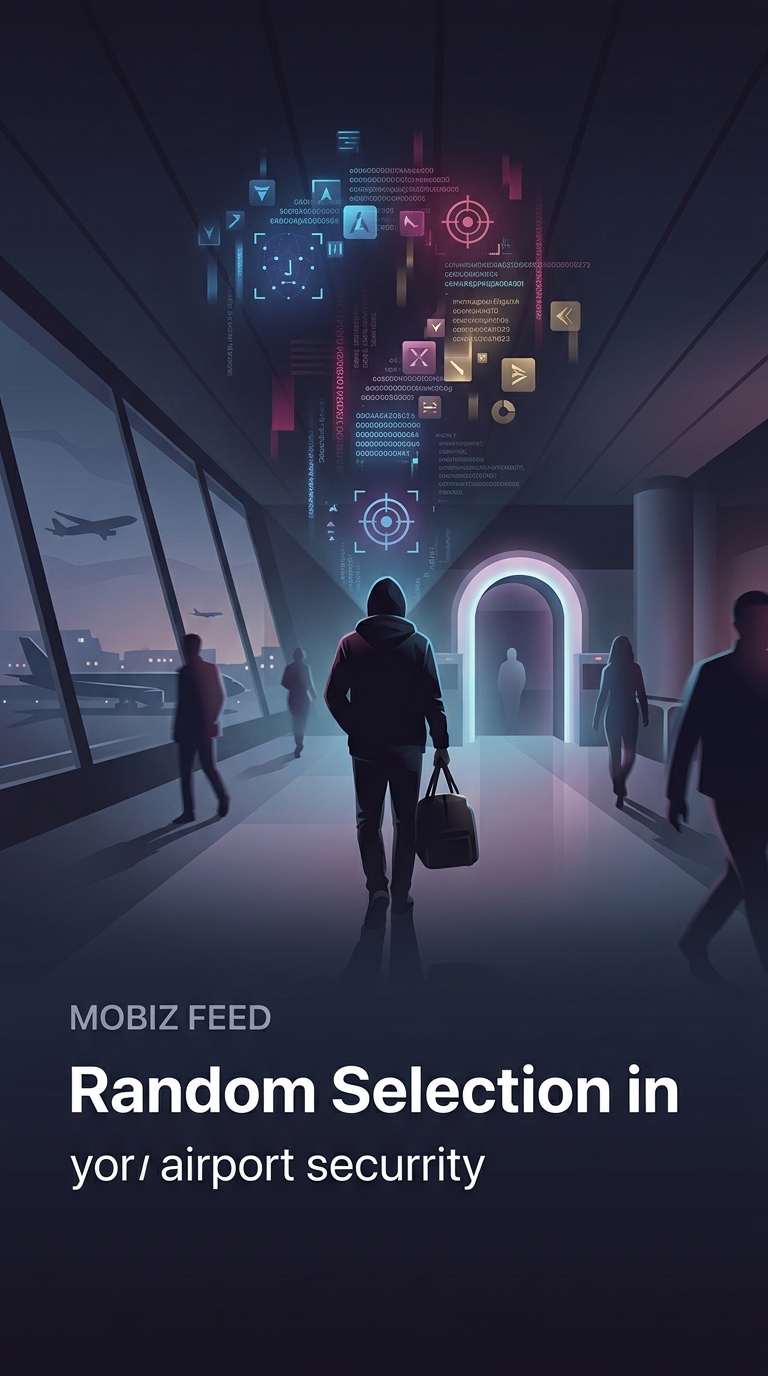
Selection can result from several factors, including security-screening procedures and random selection. A traveler generally cannot infer the reason from the letters alone. An unusual itinerary or a last-minute booking may draw attention, but neither by itself proves why a person was selected—and the mark does not establish that a traveler is on a watchlist.
That uncertainty is part of what makes the code unsettling: it announces extra scrutiny without explaining the trigger. The screening is intended to add a closer check, not to declare the traveler guilty or bar them from flying.
What to do with the extra time
Because screening may take longer than the standard checkpoint, leave more time to get to the gate and follow staff instructions. If the code appears repeatedly and causes travel problems, the Department of Homeland Security’s Traveler Redress Inquiry Program offers a way to seek help resolving screening-related issues.
The most useful way to read the mark is as a warning about the process, not a verdict about the person carrying the pass.