Why a “random” TSA check may happen at the checkpoint
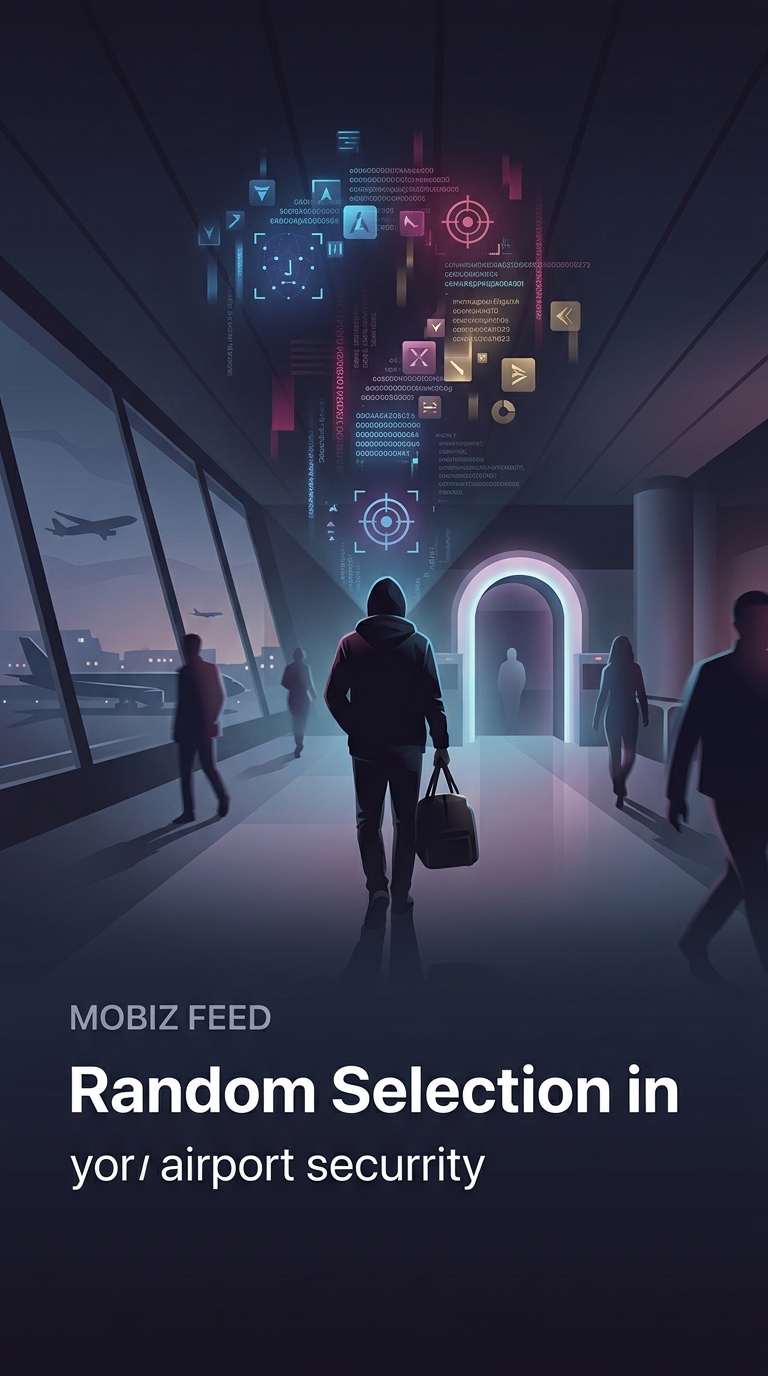
There isn’t one public, fixed lottery that determines every extra screening. TSA uses several layers of screening, and a passenger may be directed to additional checks for different reasons. Some procedures are deliberately unpredictable, so travelers cannot reliably anticipate who will be screened or how.
That unpredictability matters operationally: if the same visible rule always triggered a check, someone trying to evade screening could learn to avoid it. Random selection adds a check that does not depend on a passenger doing anything unusual.
It is separate from watchlist matching
Before a flight, airlines send passenger information to the government’s Secure Flight program. It checks identifying details against government watchlists and uses the results to determine how a passenger should be screened. That process is not the same as a random checkpoint selection.
At the airport, officers may also conduct additional screening as part of security procedures. The precise selection methods are not fully public, and a referral for extra screening does not, by itself, mean that a traveler is suspected of wrongdoing. It can simply be one of the unpredictable checks built into the system.
The practical consequence
Extra screening can mean another look at a bag or a closer check of a traveler, adding time even when nothing prohibited is found. Because the selection may be unpredictable, the useful response is practical rather than investigative: allow time for screening and follow officers’ instructions. A single extra check is not a reliable clue about why that particular person was chosen.