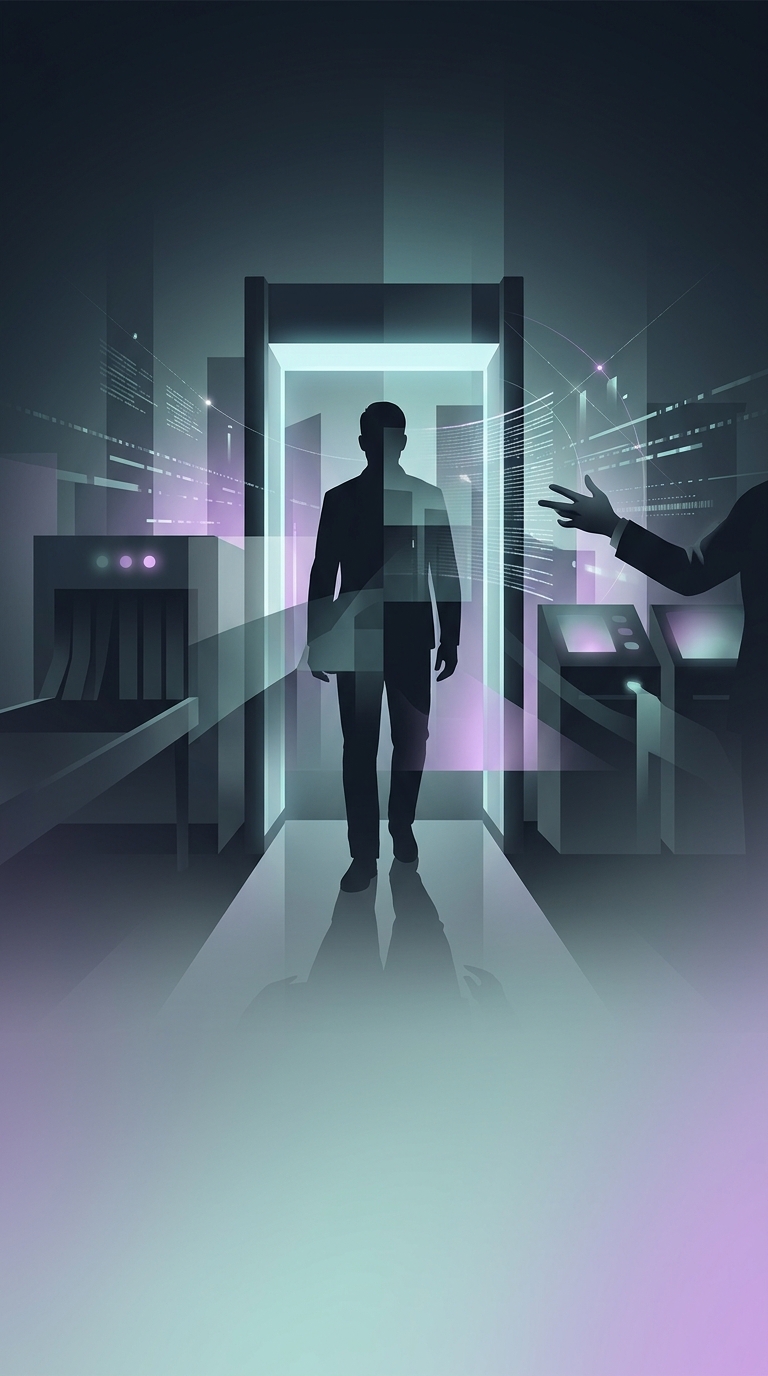
What “security theater” is meant to describe
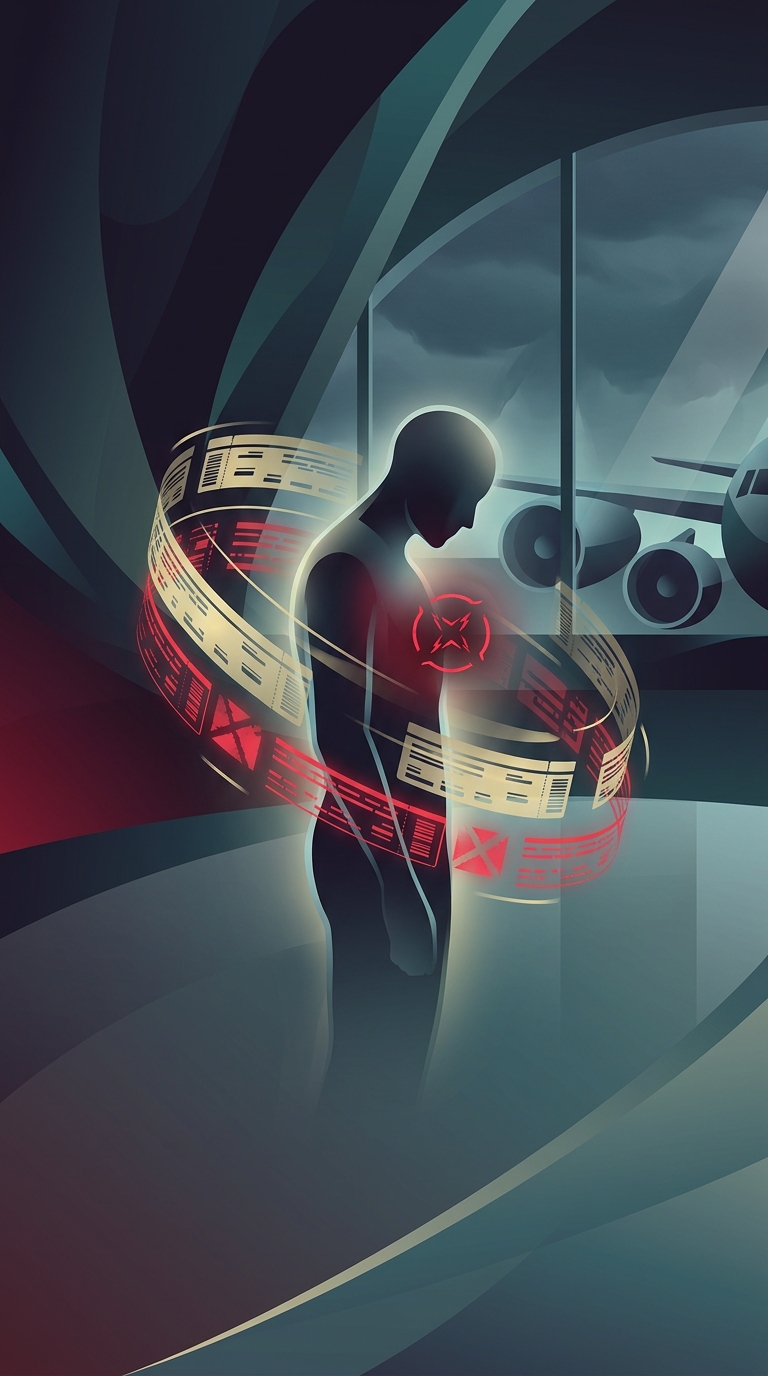
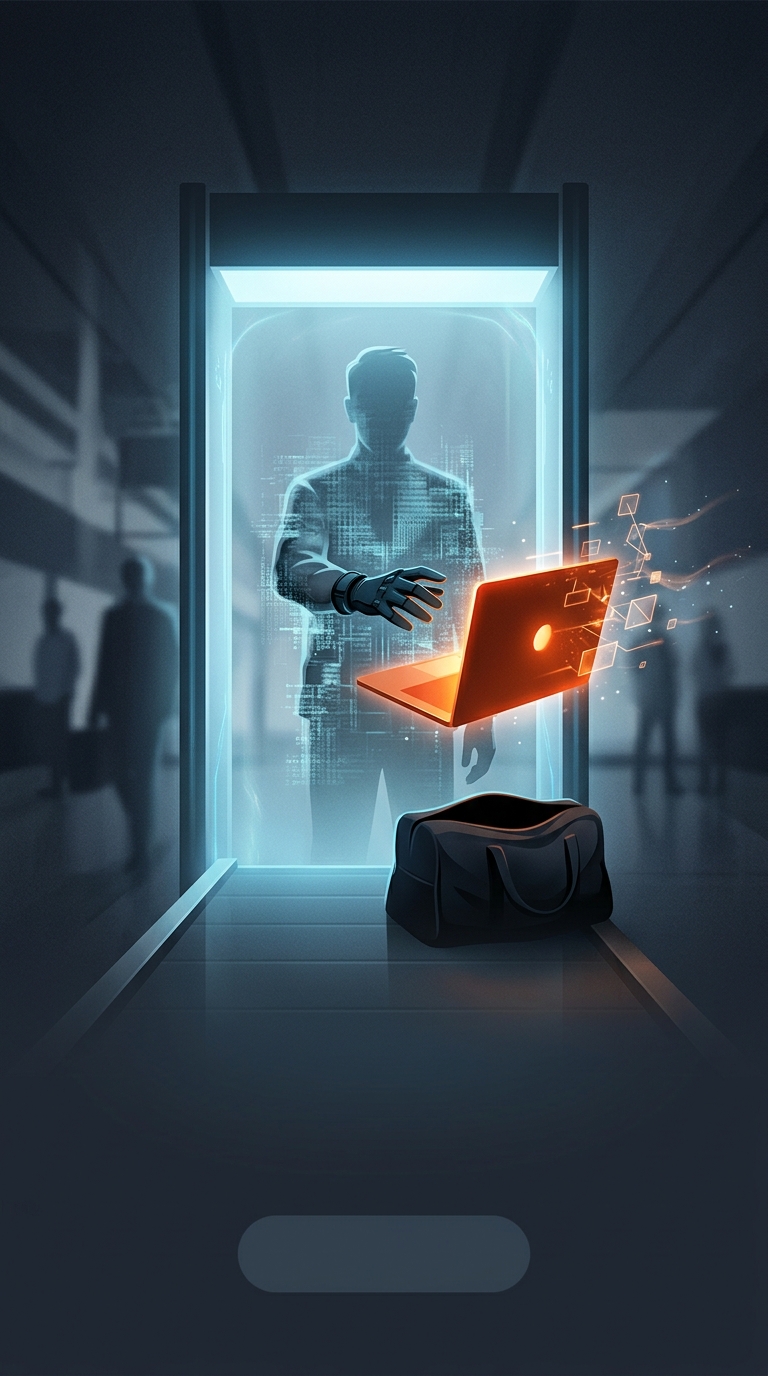
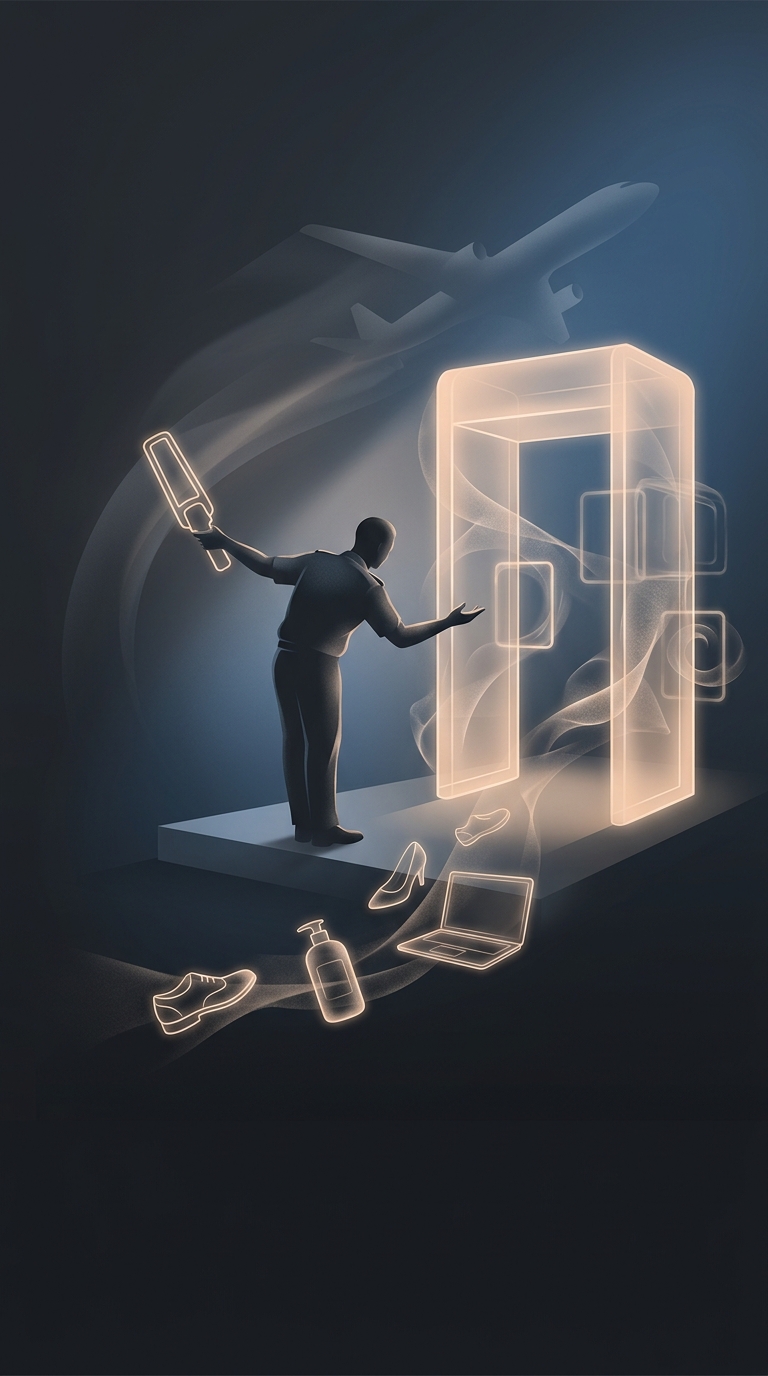
The phrase refers to a security measure that looks reassuring but does little to reduce the danger it is supposed to prevent. At an airport checkpoint, the visible ritual—showing identification, placing bags on a belt, walking through a detector—can make security feel like a single barrier between travelers and harm. The term questions whether each step meaningfully changes the risk, not whether the step looks serious.
That distinction matters because security has two audiences: people trying to cause harm, and the public deciding whether a system seems protective. A measure may be easy to see and explain while being less useful than work travelers never notice, such as intelligence gathering or investigation. Critics use “security theater” when the visible performance becomes a substitute for effective protection, or when its reassuring appearance is treated as proof that it works.
The tradeoff behind the checkpoint
Airport screening still has a practical purpose: it can prevent prohibited items from entering secure areas, and procedures can change as threats and vulnerabilities change. But no checkpoint can guarantee safety. Screening also consumes time and attention, so a useful question is whether a measure reduces risk enough to justify its costs—and whether the same effort could protect people better elsewhere.
Calling a measure theater does not, by itself, establish that it is useless. It is a criticism of the gap between security’s visible performance and its actual protective value. The phrase is worth remembering because a long line and a solemn ritual can look like evidence of safety, even though appearance alone cannot show how much danger has been reduced.