Why Strange Contraband Shows Up at Airport Checkpoints
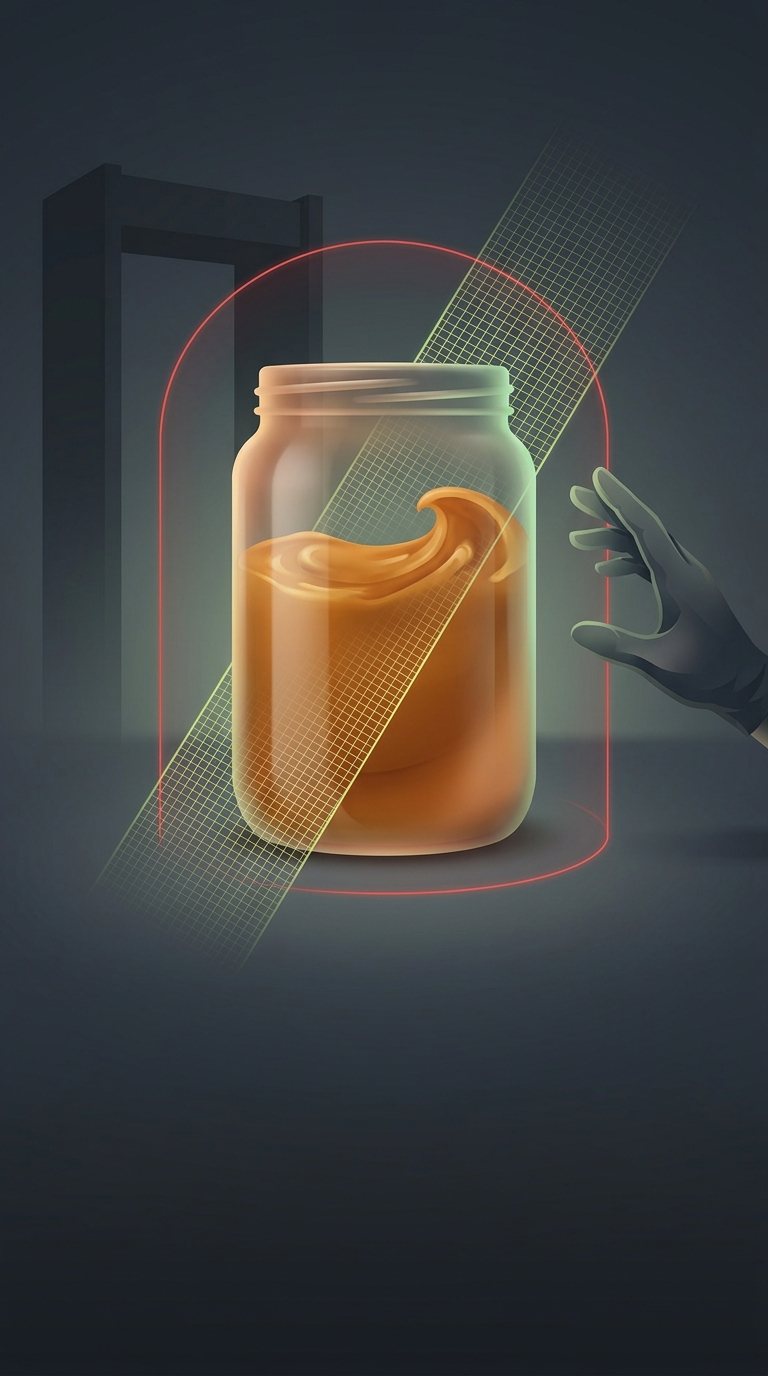
Airport screening is built to spot objects that may pose a safety risk, not to make luggage look ordinary. X-ray machines show the contents of a bag as shapes and differences in material density. If an image is unclear or something looks concerning, officers can inspect the bag more closely. That is how an everyday item—or an item concealed inside one—can become the focus of a search.
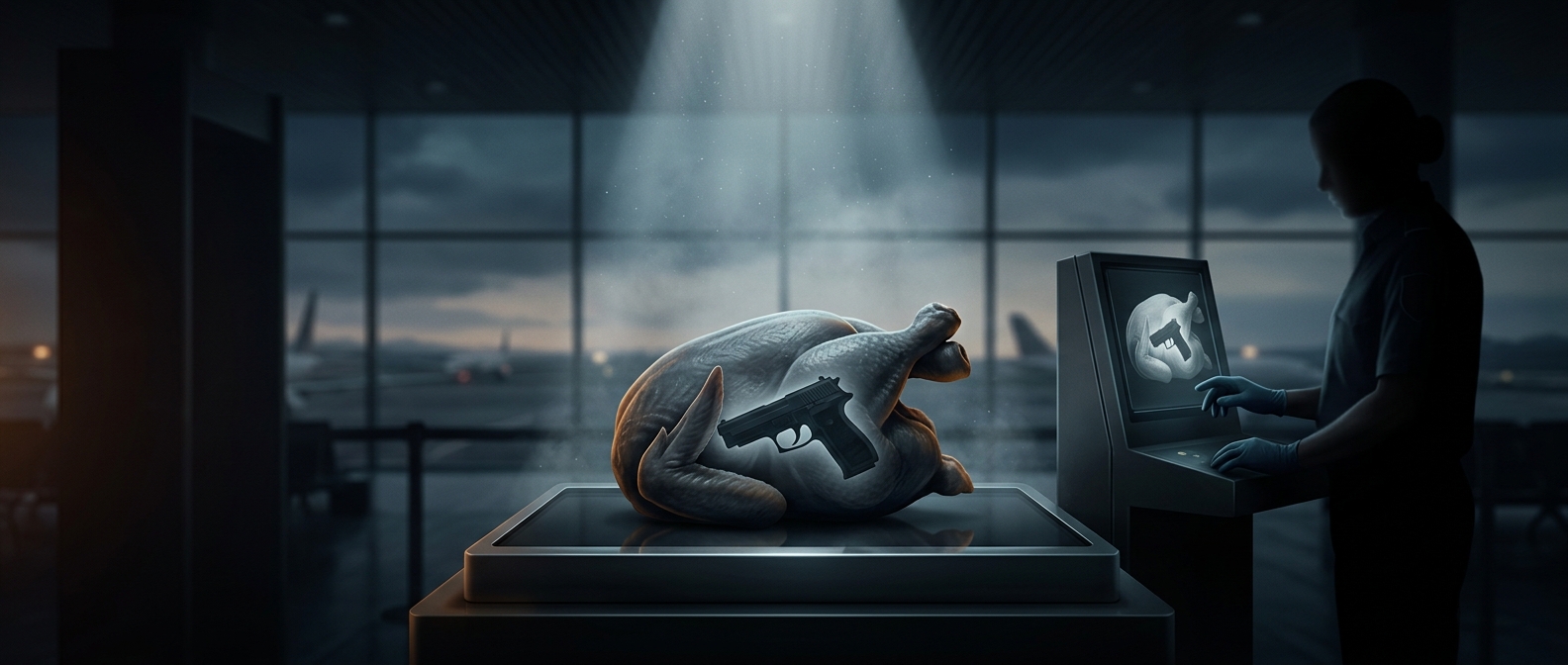
The contrast is what makes discoveries such as a weapon hidden in raw chicken memorable. Food does not turn a firearm into harmless baggage: the contents still have to be assessed, and a closer inspection can reveal what the image alone does not. A disguise may make an object harder to interpret at first glance, but it cannot make it safe or exempt from screening.
The Oddity Is Also a Safety Question
Batarangs, live animals, and loaded firearms are strikingly different finds, but each raises a practical question for checkpoint staff: what is in the bag, and does it create a hazard? A sharp throwing weapon can injure someone; a live animal presents a handling problem; a loaded gun is an immediate security concern. The object’s context matters, but concealment does not erase the risk.
That is why the strangest checkpoint discoveries are more than amusing curiosities. They show the gap between what a traveler may think can pass unnoticed and what screening is designed to examine. Even when an unusual item is tucked into something as mundane as food, the consequential detail is what officers uncover when they look more closely.