What SSSS Changes at the Checkpoint
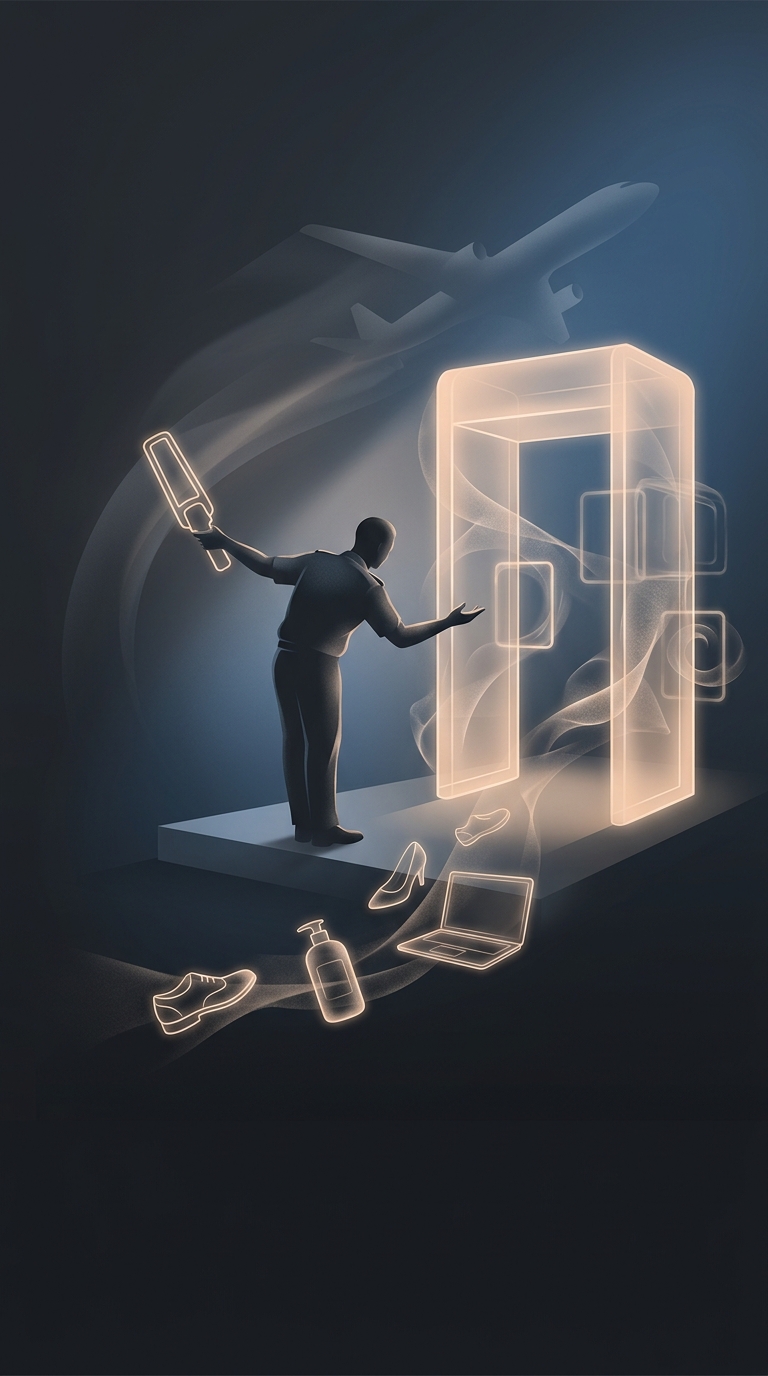
The letters SSSS on a boarding pass identify a passenger for additional security screening before boarding a U.S. flight. Instead of moving through only the standard checkpoint process, the traveler may be asked to undergo extra checks of their person and carry-on belongings. The precise steps can vary by airport and screening circumstances, so the marking does not mean every traveler will have the same experience.
A Screening Flag, Not an Explanation
The marking tells screening staff that additional procedures are required; it does not explain why a passenger was selected. The selection process is not public, and a boarding pass alone cannot establish what caused the selection. Claims that a particular booking pattern or destination reliably triggers SSSS should therefore be treated cautiously.
Nor does the code, by itself, mean that officials have determined a traveler is dangerous. It is an instruction for extra screening, not a public statement about a person’s intentions or guilt. If the mark appears, the practical consequence is that the traveler may need more time at the checkpoint and should follow staff instructions.
Why It Can Affect the Trip
Extra screening can take longer than routine screening, especially when it involves additional inspection of belongings or follow-up checks. That can make the boarding-pass code consequential even though it reveals little to the traveler: it changes the steps at the airport, while leaving the reason for selection undisclosed.
The useful takeaway is simple: allow time for the additional checkpoint process, but don’t treat four letters as a verdict—or as proof that a specific travel choice caused the screening.