Why liquids changed airport screening
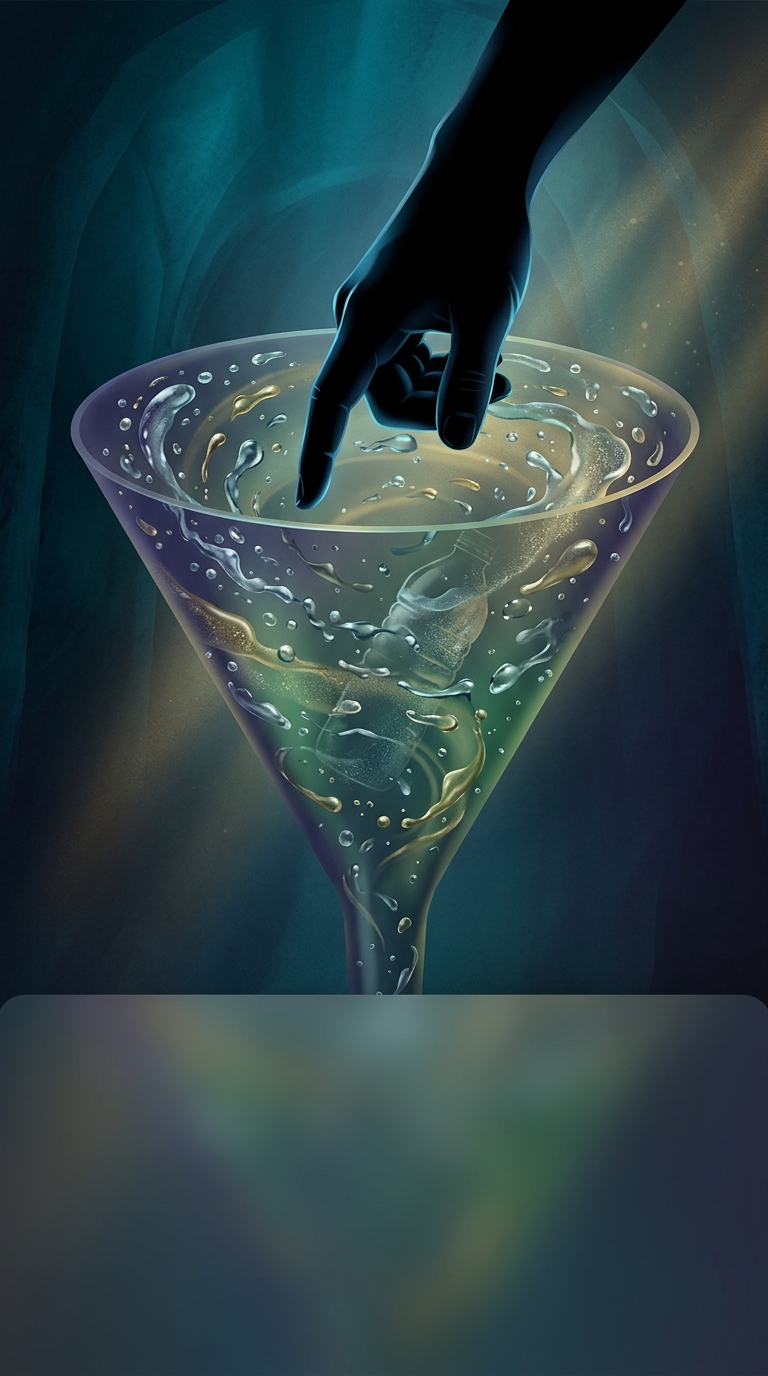
Liquids are harder to assess quickly than many solid objects. A clear drink, gel, lotion, or paste can look ordinary while its contents are difficult to identify from the outside. In principle, separate harmless-looking liquids could also be combined into a dangerous mixture. That possibility—not a claim that every large bottle is dangerous—makes liquids a special screening problem.
A response to a specific threat
The modern restrictions followed the disruption of an alleged 2006 plot to attack transatlantic flights using liquid explosives. Security authorities responded by limiting how much liquid passengers could bring through the checkpoint. The small-container rule was a practical precaution: it narrowed the amount carried in each container while allowing travelers to bring everyday toiletries and drinks purchased after screening.
The limit is therefore a screening rule, not a measurement derived from a known explosive recipe. It is designed to make a difficult inspection problem more manageable under the time and equipment constraints of a busy checkpoint.
Why the rule may change with technology
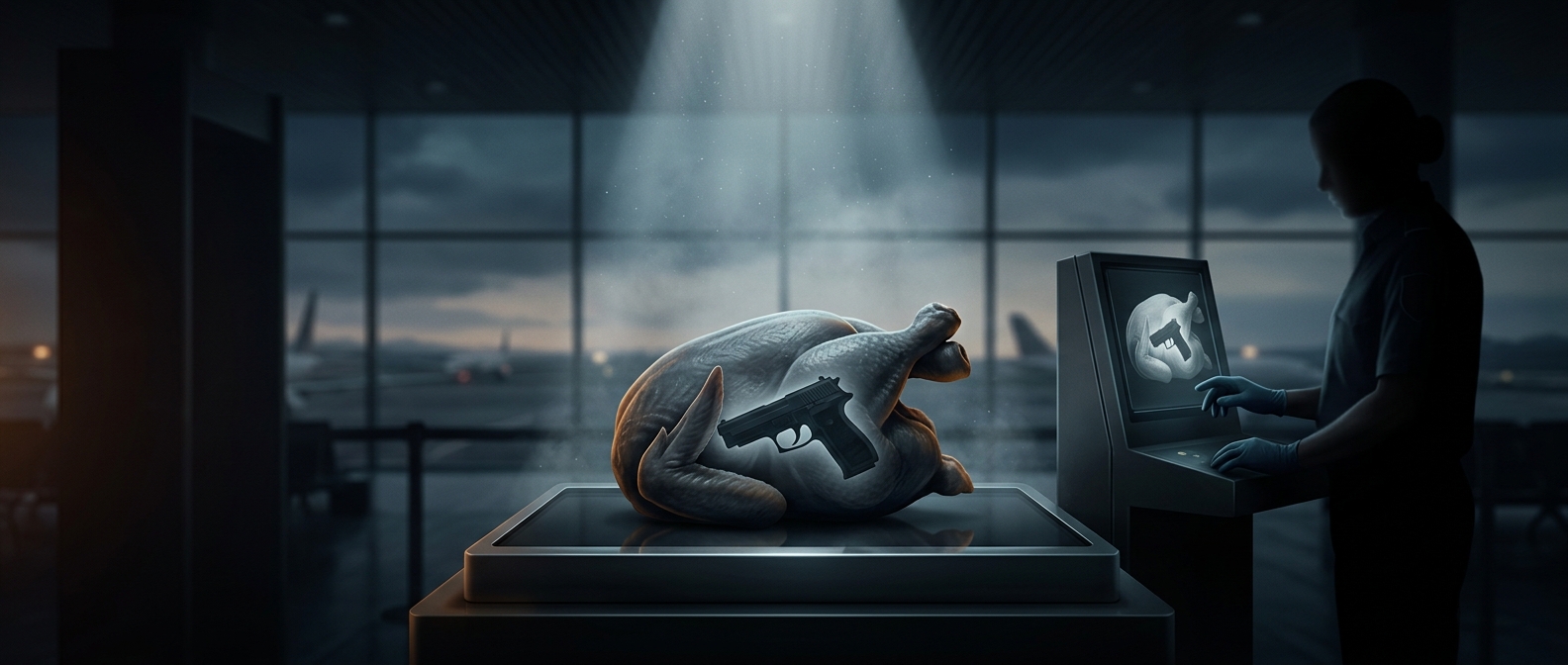
Some airports use newer scanners that can examine bags in more detail, potentially allowing security procedures to treat liquids differently. But equipment, approval, and procedures do not change everywhere at once, so travelers may encounter different rules from one airport to another. The familiar small bottle is a visible reminder of a broader tradeoff: checkpoints restrict what is easy to carry through quickly when reliably checking it is difficult.