How a Coaster Turns Screams Into an Invitation
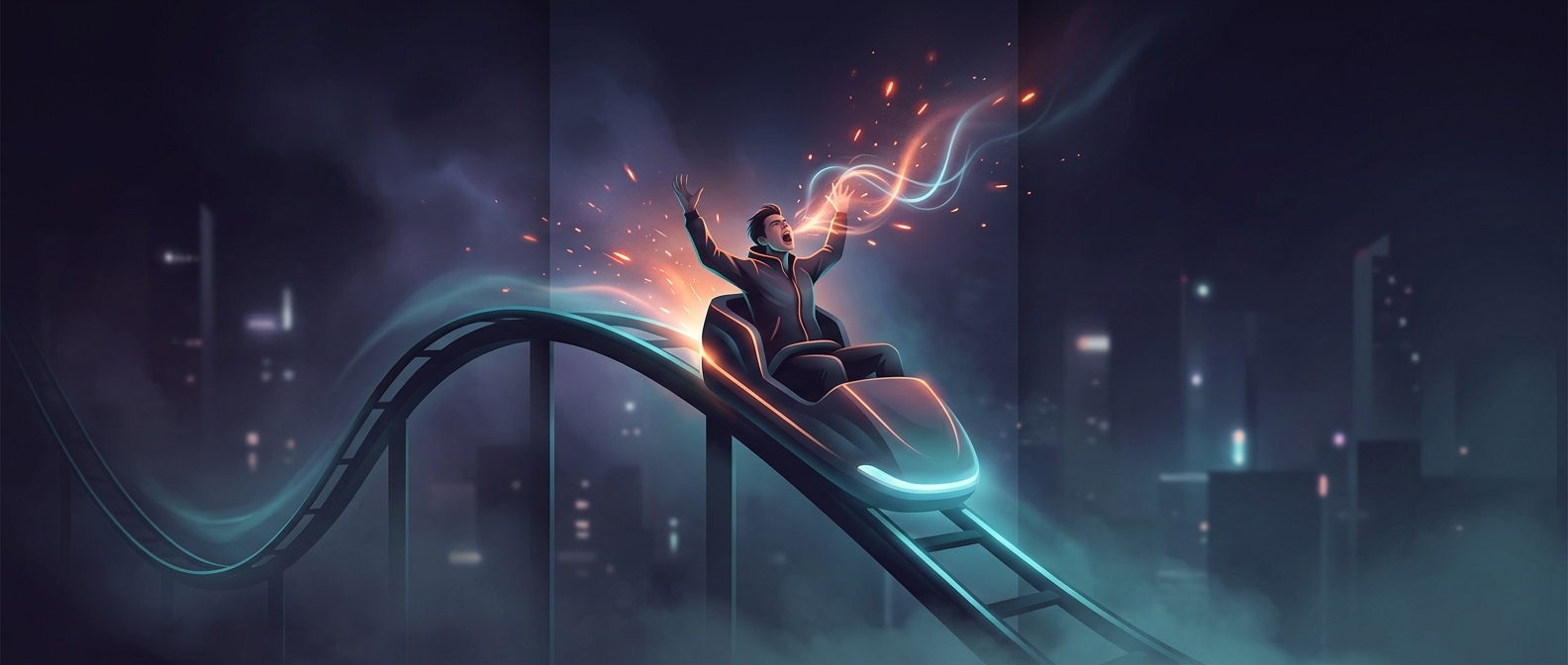
A roller coaster can advertise itself without a sign. When a drop is aimed toward a busy path, people passing by can see riders plunge and hear their reactions. The noise is part of the spectacle: a burst of screams tells nearby visitors, in real time, that something thrilling is happening just out of reach.
That can make the ride feel more immediate than a poster or recorded sound. A passerby hears a real group react together, looks up, and may spot the train sweeping past. The excitement then travels from the riders to the people watching—and some watchers decide to join the queue.
Designing for Both Riders and Bystanders
The placement matters. A coaster tucked behind buildings may deliver the same drops to its passengers, but its biggest moments are hidden from the park’s foot traffic. Positioning a visible section near a walkway lets the ride perform for two audiences at once: the people aboard and the people considering whether to ride.
That visibility also makes the experience contagious. A scream is a spontaneous signal, not a promise that everyone will enjoy the ride; its force comes from the fact that visitors can connect the sound to the people they see on the train. The next time a coaster roars over a path, the crowd’s reaction may be doing more than accompanying the ride—it may be helping sell the next trip around.