How task screens turn attention into risk
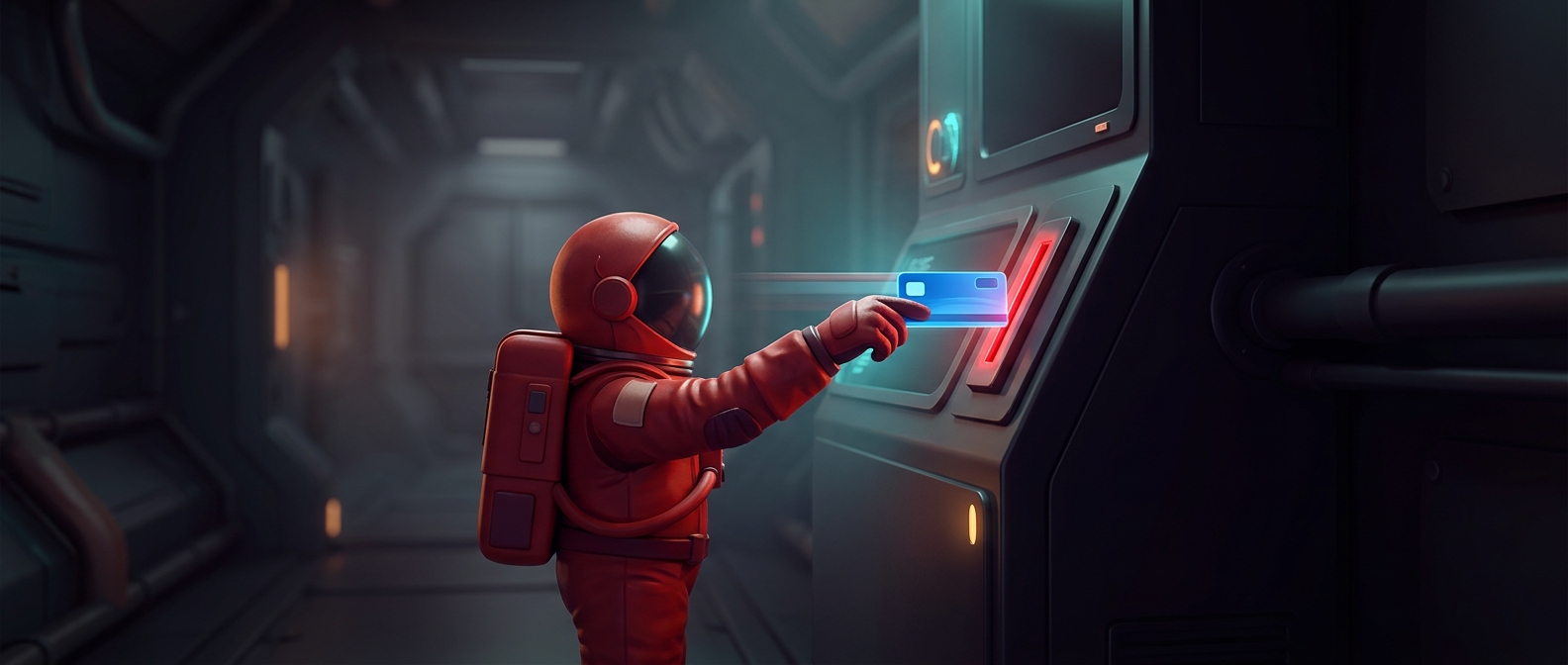
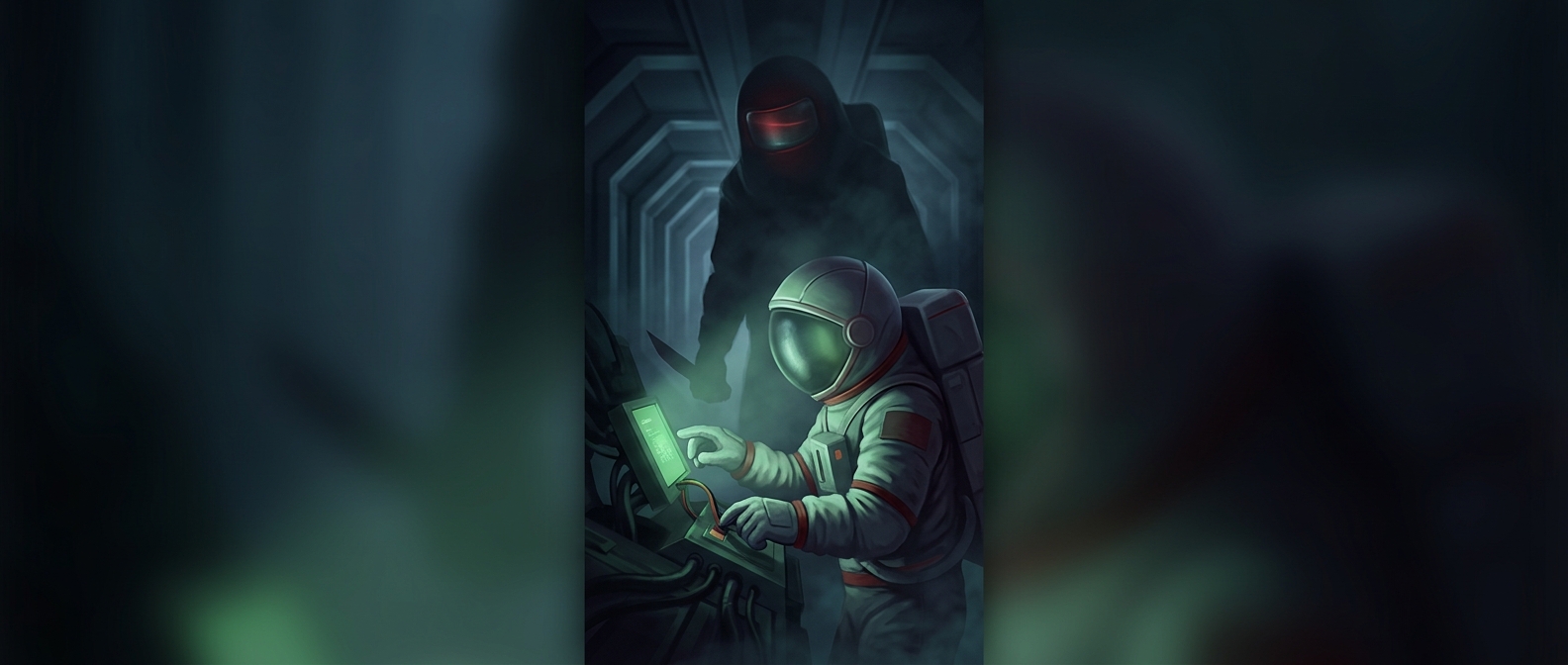
In Among Us, doing a task is more than a pause in movement: it shifts a player’s attention from the shared room to a small interface. A card swipe or wire puzzle asks for close visual focus, so the player has less chance to spot another character approaching or notice a sudden change nearby. The danger comes from that split between solving the task and monitoring the room.
A small interface creates a social opening
That moment matters because crewmates and impostors share the same spaces, but not the same goals. A crewmate who stops to work may be easier to surprise; an impostor can take advantage of the distraction or use nearby activity to appear ordinary. Even when a task does not fully hide the surroundings, the extra effort of reading and interacting with its screen makes observation harder.
The result is a useful tension in the game’s routine. Tasks move the crew toward completion, but they also encourage players to linger in predictable places and give up some awareness while they do. A player must decide whether to finish quickly, watch for danger, or leave and return later. The task interface makes ordinary progress carry a tactical cost: the more attention a crewmate gives the panel, the less attention remains for the people around it.