One voice, two very different performances
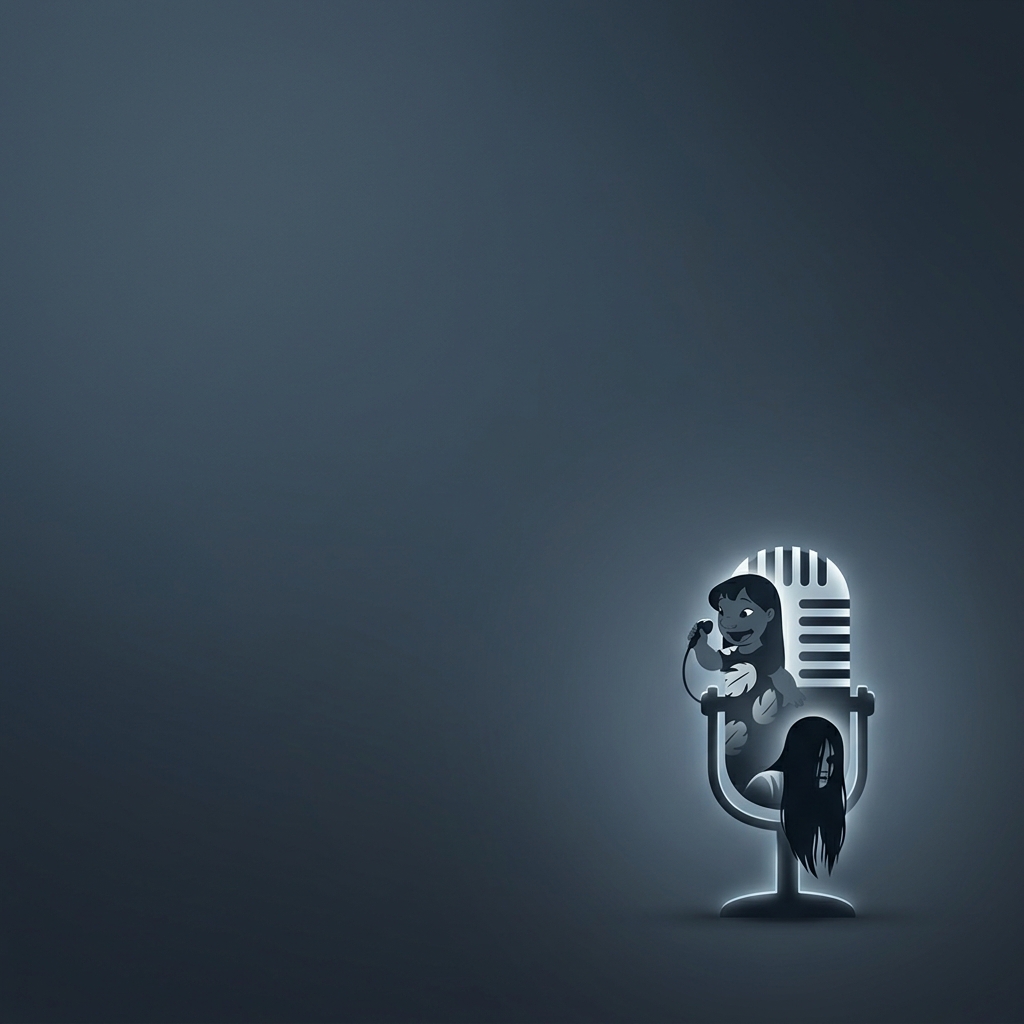
In Lilo & Stitch, Daveigh Chase’s work had to make Lilo feel like a lively, stubborn child through sound alone. As a voice actor, she could shape the character with changes in pitch, pauses, and bursts of emotion; the animation supplied Lilo’s expressions and movement.
In The Ring, Chase had the opposite challenge. Samara is remembered less for what she says than for how she looks and moves. The film builds unease through her withdrawn presence and the unsettling image of her emerging from a television. Chase’s performance had to register on camera, where posture and stillness can carry meaning that a voice performance conveys through sound.
The contrast is the point
Both films arrived in 2002, but they asked audiences to read Chase in almost opposite ways: as a recognizable, outspoken kid in a family story and as a figure of supernatural dread in a horror film. The switch is easy to miss because one role is heard and the other seen—and because Samara’s look is designed to make the character feel less like an ordinary child.
That contrast helps explain why the casting fact sticks. The voice behind Lilo and the face of Samara belong to the same young performer, even though the two characters seem to come from entirely different worlds.