The light at the center of Vallalar’s teaching
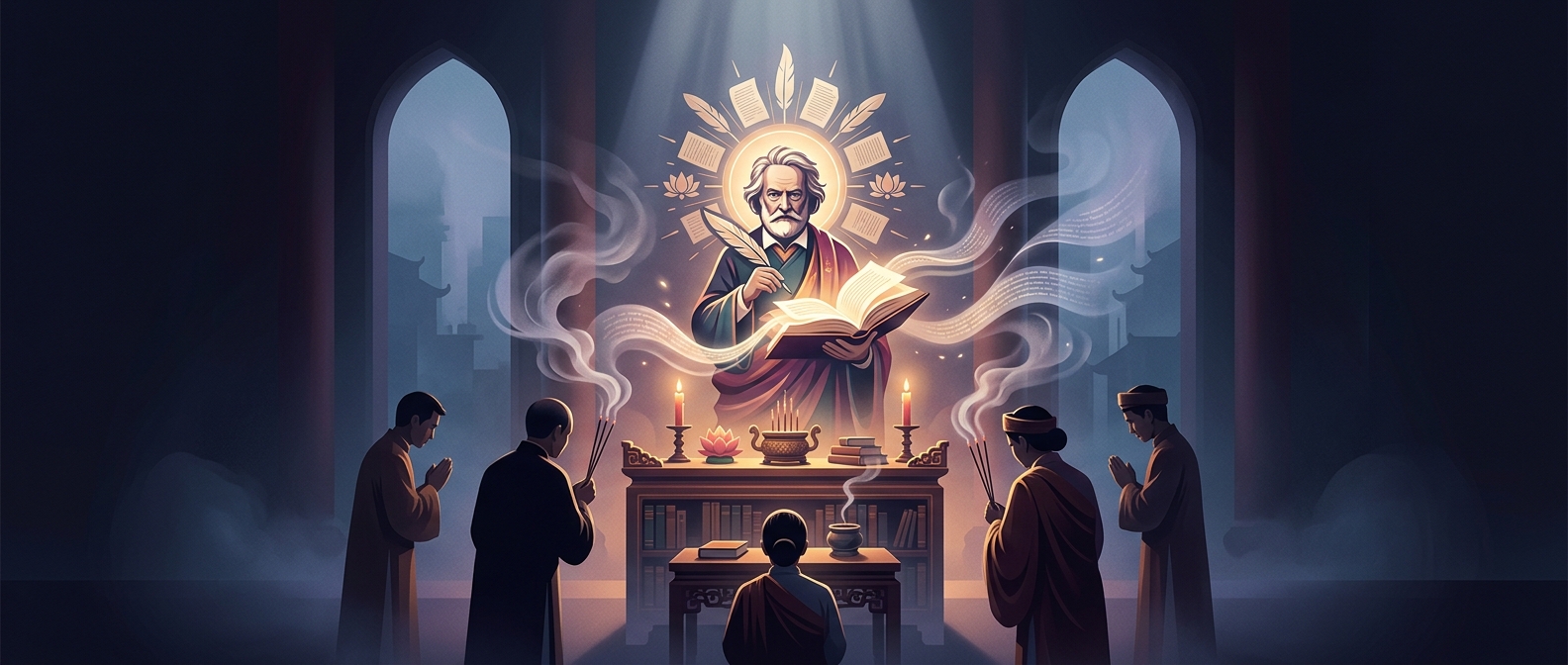
“Swamigal” refers to Ramalinga Swamigal, the nineteenth-century Tamil religious teacher also known as Vallalar. The reported disappearance in 1874 became more than a strange ending to his life: devotees understood it through the spiritual language he had used for years. He spoke of Arutperumjothi, often rendered as the “Great Light of Grace,” as a way of naming the divine.
In that tradition, light is not merely a substance shining in a room. It represents divine presence and grace—something a person seeks to realize, rather than just observe. Vallalar’s emphasis on compassion, especially toward living beings in need, gave that spiritual ideal an ethical dimension: inner realization was bound up with how one treated others.
Why the empty room mattered
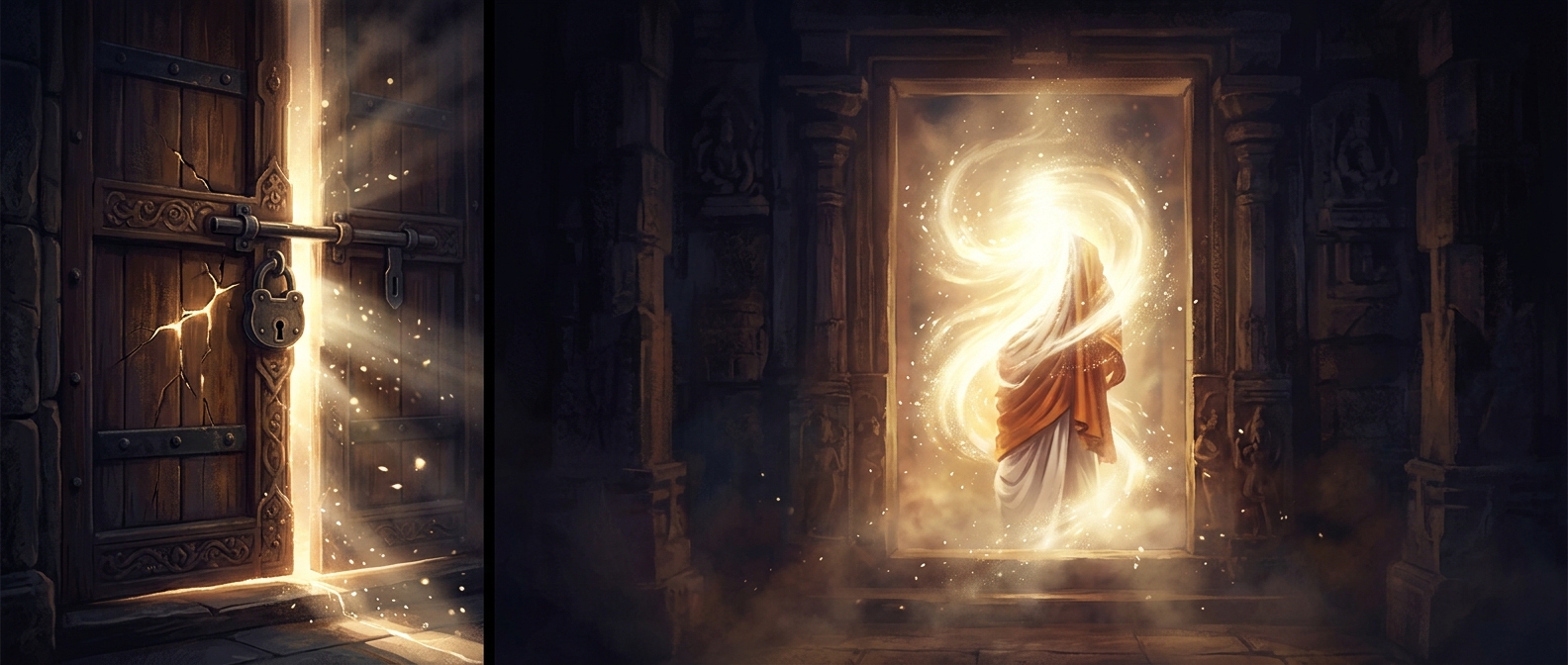
The account says Vallalar announced that he would merge with divine light, shut himself inside a hut, and was later found missing when the door was forced open. For followers, the empty room could be read as the fulfillment of his teaching: not simply a death, but a transformation beyond ordinary bodily existence. That interpretation belongs to the devotional account; the episode itself does not provide an independently observable explanation of what happened inside.
The story’s lasting force comes from the fit between its dramatic image and Vallalar’s central religious language. A locked room made the disappearance tangible; the idea of divine light gave it meaning. His final act is remembered not only as a mystery, but as an expression of the spiritual destination his followers believed he had described.