Why the Sun traces the ecliptic
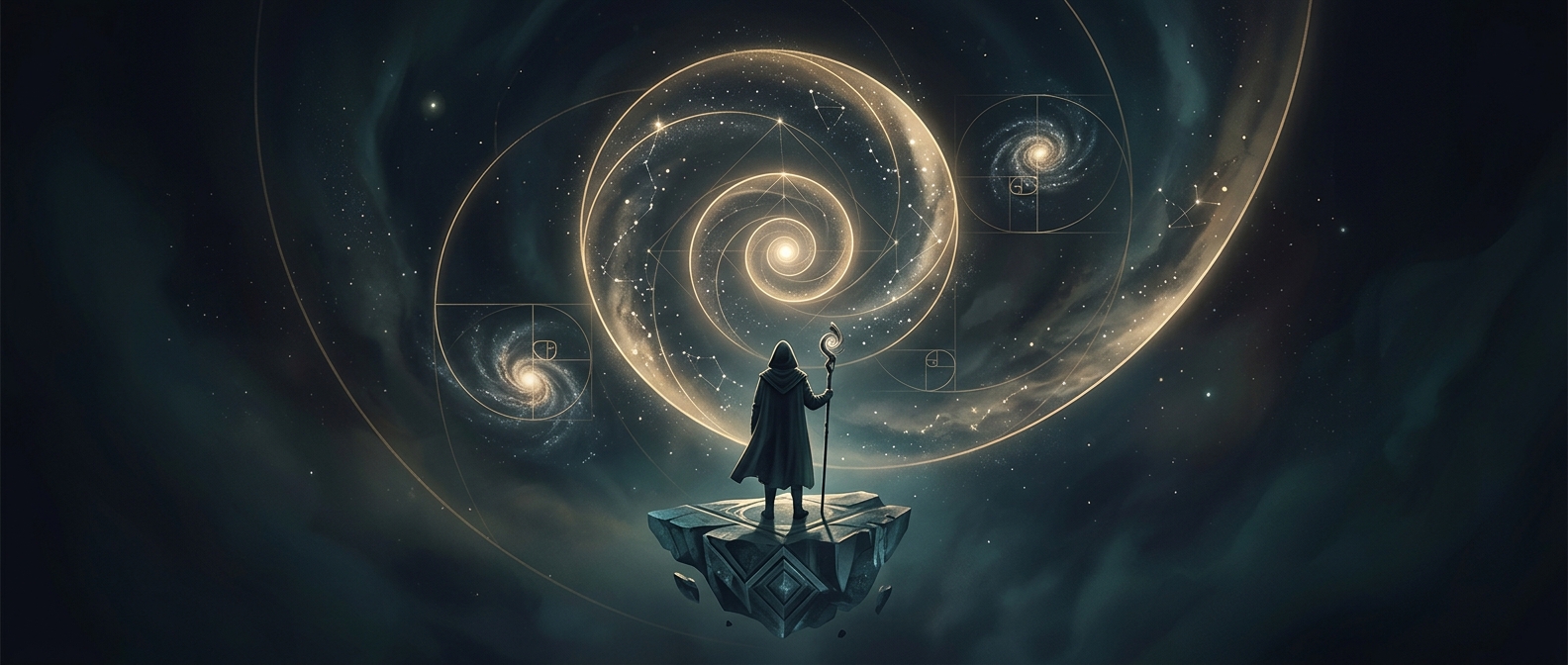
The ecliptic is the sky’s projection of Earth’s orbital plane: imagine extending the flat surface of Earth’s yearly path outward until it meets the distant celestial sphere. As Earth moves around the Sun, our viewing direction changes, making the Sun appear to shift against the background stars along that projected line.
This geometry also explains why the ecliptic is a useful guide to other objects. The major planets orbit the Sun in planes close to Earth’s, so from here they usually appear in a broad band near the Sun’s apparent track. The Moon’s orbit is tilted by about five degrees, so it travels near the ecliptic rather than exactly on it.
A path that makes eclipses possible
The Moon crosses the ecliptic twice during each orbit. Those crossing points are called nodes. A solar or lunar eclipse can happen only when the Moon is near one of them at the right time: otherwise, the tilted orbit carries it above or below the alignment needed for a shadow to fall on Earth or the Moon.
That makes the ecliptic more than a convenient line on a star chart. It marks the region where the geometry of the Sun, Earth, Moon, and planets most often brings them into the same stretch of sky. A planet can wander a little north or south of it, but the band is where cosmic close encounters—and eclipses—become possible.