Uber began as a premium car service
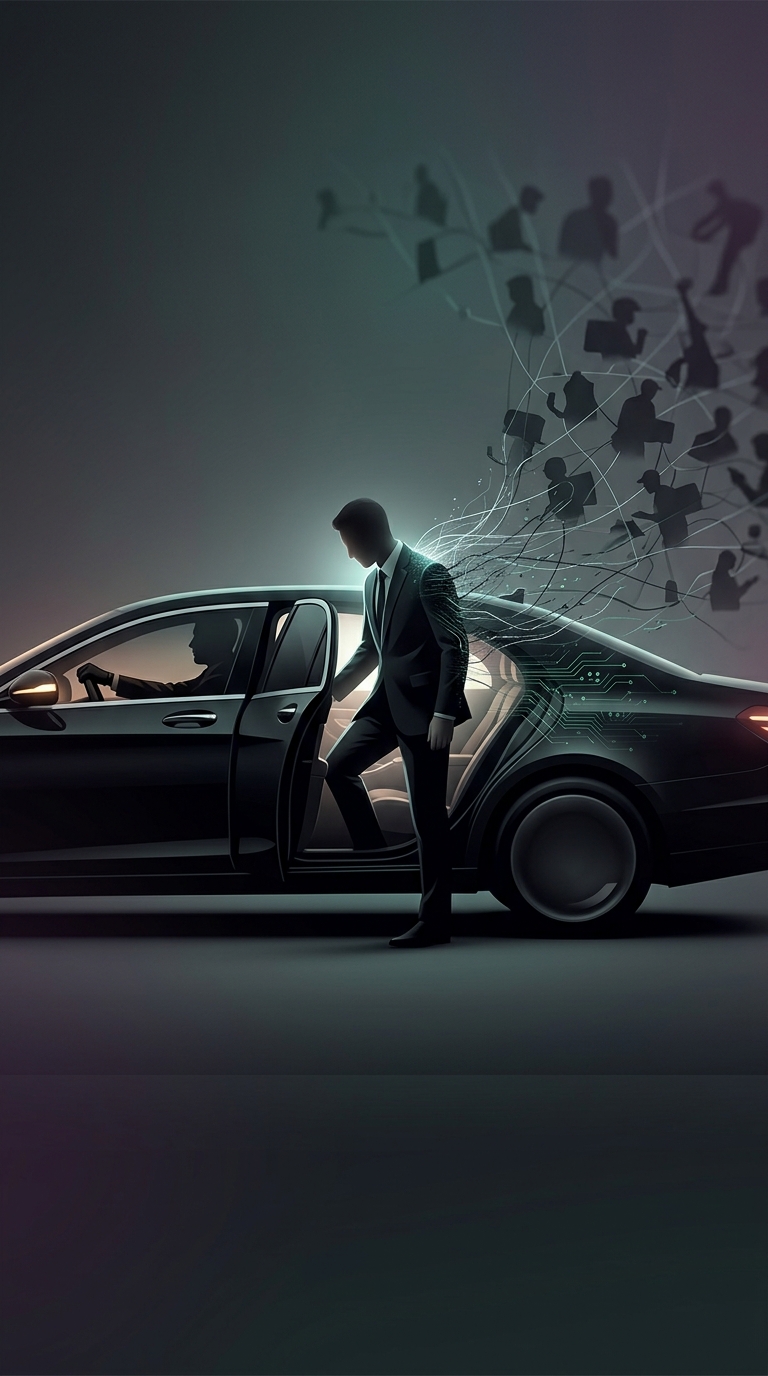
Uber’s first service was not a low-cost ride in an ordinary car. It connected customers in San Francisco with black luxury vehicles—cars typically associated with chauffeured service. The smartphone app made that experience easier to summon: instead of arranging a car through a traditional booking channel, a customer could request one from a phone.
That starting point shaped the early economics. A premium ride could command a higher fare than a budget trip, helping justify the cost of providing a car and driver on demand. Uber was initially selling convenience and access to a more upscale service, not the cheapest way across town.
The business changed as the service widened
The app-based dispatch system was the part that could travel beyond luxury cars. As Uber expanded into less expensive ride options, it opened the service to a much broader market—and changed what many people understood the company to be. Lower-priced rides made frequent, everyday use more plausible, while drivers using their own vehicles became central to the platform’s later model.
That shift helps explain the contrast in Uber’s reputation: the company that became closely associated with inexpensive app-based rides started by arranging black-car trips. The technology was built around requesting a car; the kind of car, and the price of the ride, changed the scale of the business.