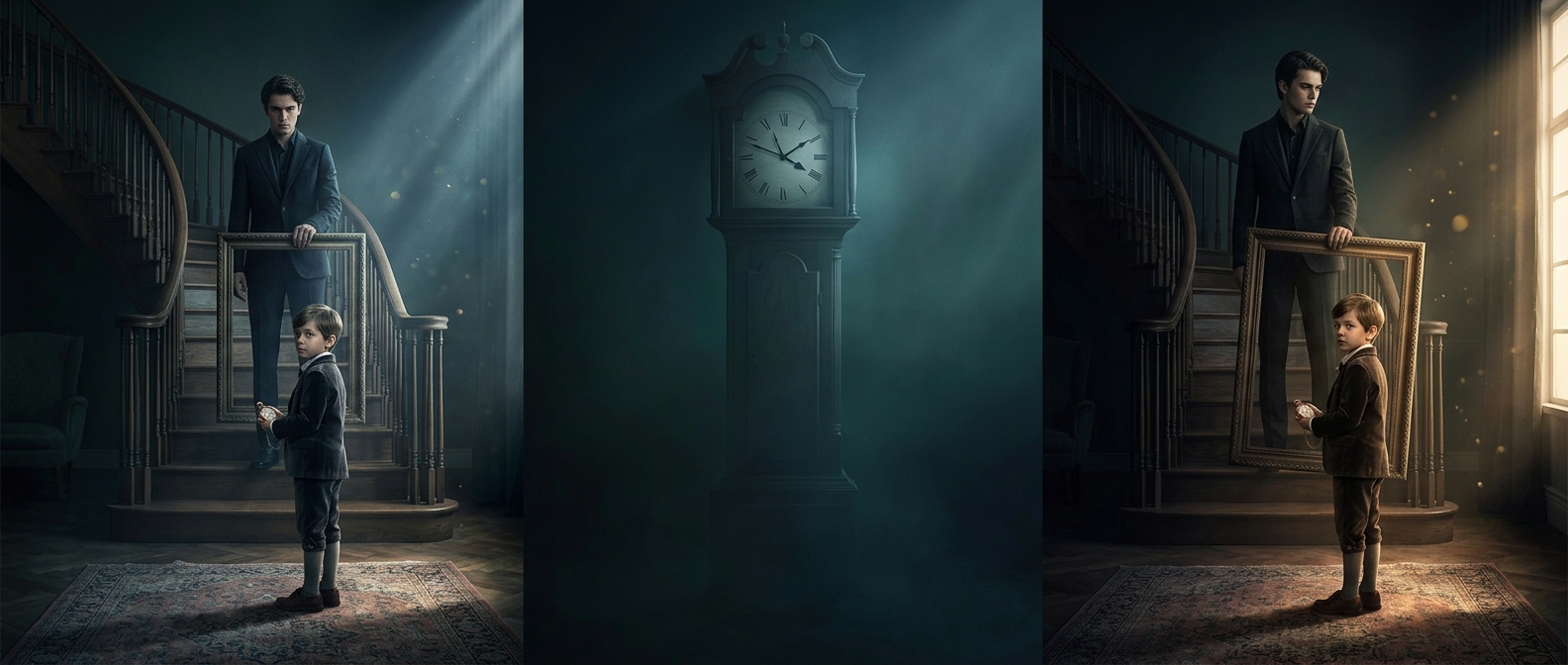
Why a New Sibling Can Upend a Wedding
A surprise sibling is a compact plot device: one arrival can turn a private relationship into a family crisis. The newcomer may challenge who belongs, expose a hidden parentage story, or bring claims on a partner, inheritance, or family loyalty. The audience does not need much setup to understand the stakes. A wedding already puts promises and relationships on display; a newly revealed relative can make those promises suddenly harder to keep.
A Reveal With Two Timelines
The scene works by making viewers compare the life the characters thought they had with the history that has just surfaced. A stranger’s claim is only the start. The drama comes from the questions that follow: Who knew? Why was the sibling absent? Can anyone prove the connection? Each answer can revise the meaning of earlier scenes, while each delay keeps characters from settling the matter before the ceremony proceeds.
That uncertainty is especially useful in a serialized story, which unfolds across many episodes. A reveal can deliver an immediate shock, then generate smaller conflicts—accusations, tests of loyalty, and competing accounts of the past—that sustain the story beyond the entrance itself.
Why The Worst Moment Is The Best One
Timing makes the secret visible to everyone at once. At an ordinary family gathering, characters could leave, argue privately, or postpone a decision. At a wedding, there is a public event already moving toward a clear outcome. The interruption forces the characters to choose whether to continue, confront the claim, or take sides in front of others.
The trick is not simply that the truth arrives late. It is that it arrives when there is no easy way to contain its consequences. One person’s family history can become the whole room’s problem before the vows are finished.