The camera makes a near miss look like a hit
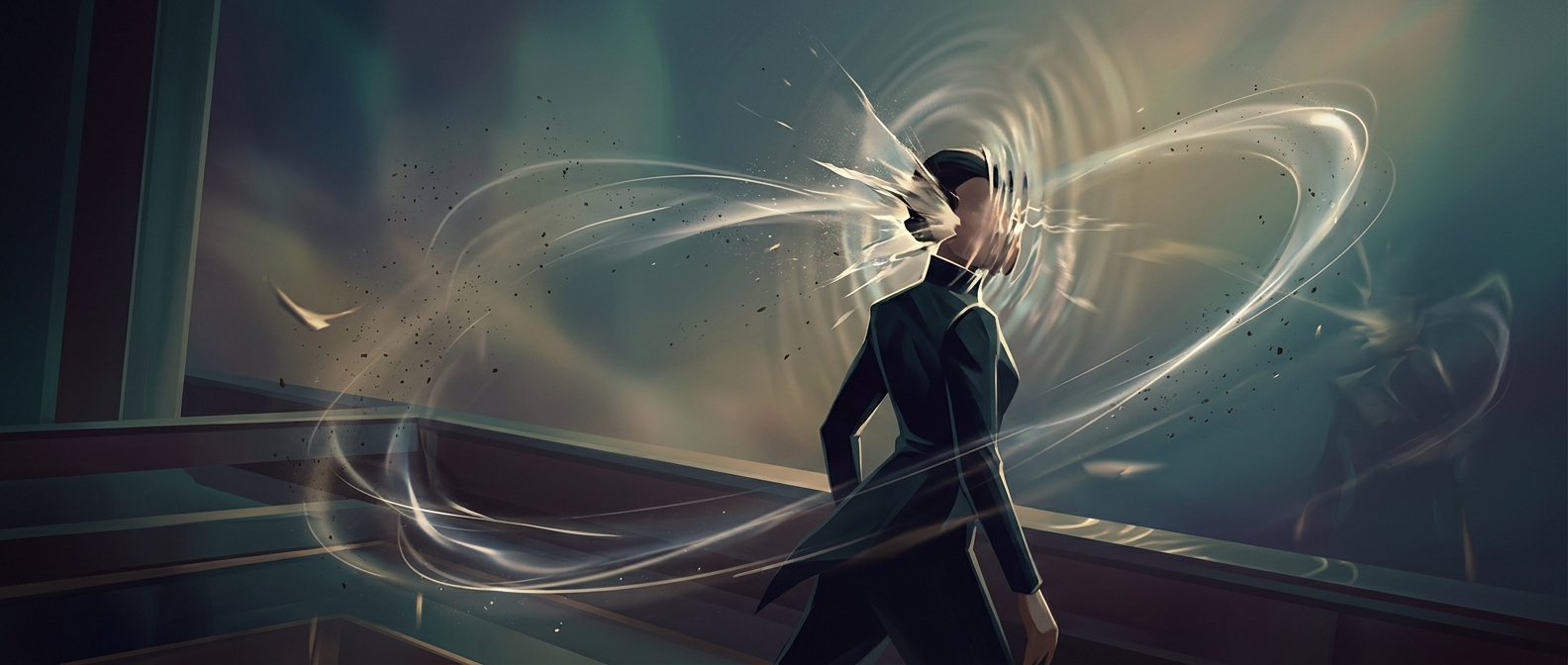
A screen slap is usually choreographed to create the appearance of contact, not to deliver a hard blow. The actors agree on the movement and timing in advance. The slapping hand can pass just in front of the other actor’s face, while the camera is placed so that the gap is difficult to see. From that angle, a safe miss reads as a direct strike.
The person receiving the slap helps complete the illusion. A sharp turn of the head, a flinch, or a stagger timed to the hand’s movement gives the gesture weight. That reaction is performance, not evidence that the face was struck; the sequence is designed so the actor can sell the impact without absorbing it.
Sound and editing supply the force
A hand passing through the air is quiet, so the slap’s crack may be added or strengthened in the sound mix. Editors can pair that sound with the instant of the apparent contact, making the movement feel sudden and forceful. A close camera angle can hide the space between the actors, while a cut can skip over the exact mechanics of the move.
These elements work together: the audience sees a decisive gesture, hears a sharp impact, and watches an immediate response. Each cue supports the others, even though none requires a full-force blow.
Drama without the real injury
The scene’s emotional result depends less on the hand’s force than on what the slap means between the characters—an insult, a rupture, or a change in who has control. Choreography protects the performers while preserving that turn in the story. The convincing slap is therefore a small collaboration between actors, camera, editing, and sound.