Why Soap Operas Leave a Door Open for the Dead
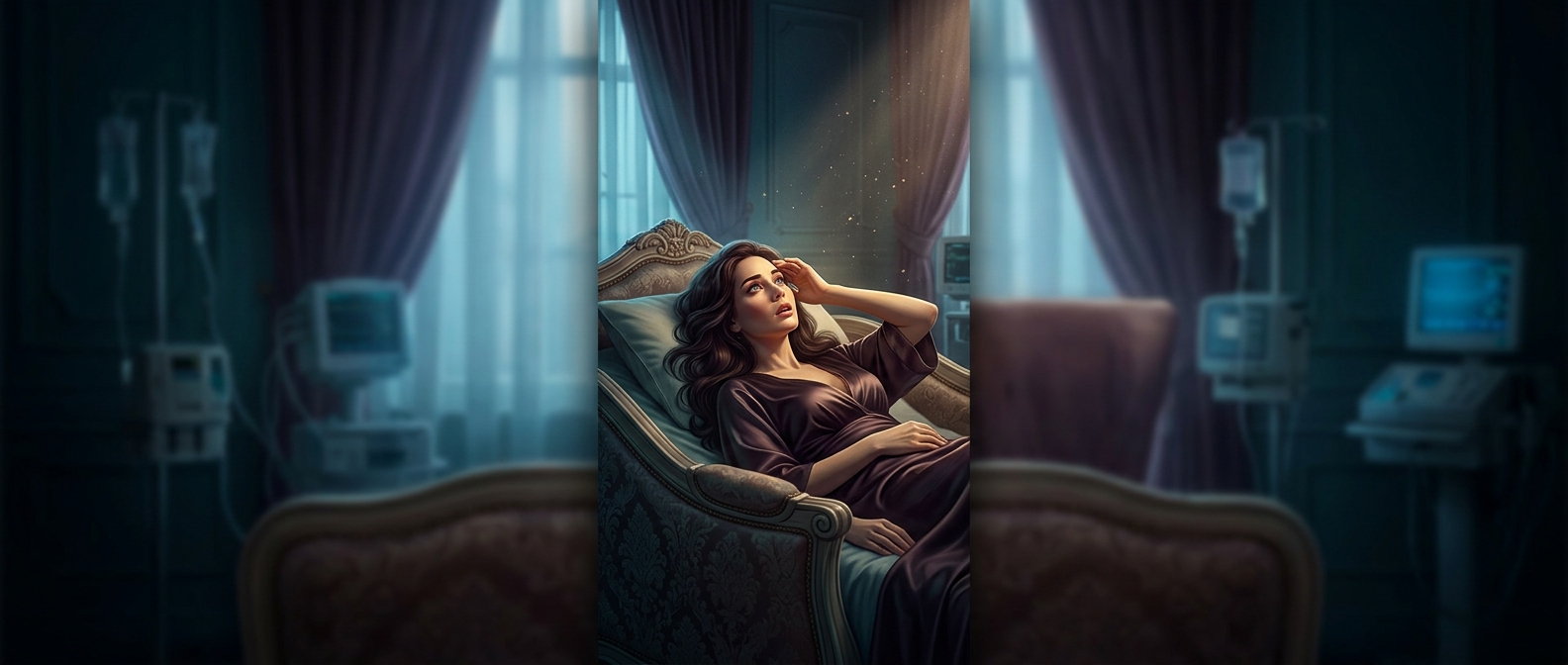
In a long-running soap opera, a character’s apparent death can solve an immediate story problem without ending the character’s usefulness forever. A dramatic exit clears space for a new conflict, but years of serialized storytelling also give writers a reason to revisit familiar relationships. If the audience still cares about the character—and the plot can make a return plausible—the death may become a twist rather than a permanent boundary.
The Story Can Be Rewritten Around What Wasn’t Seen
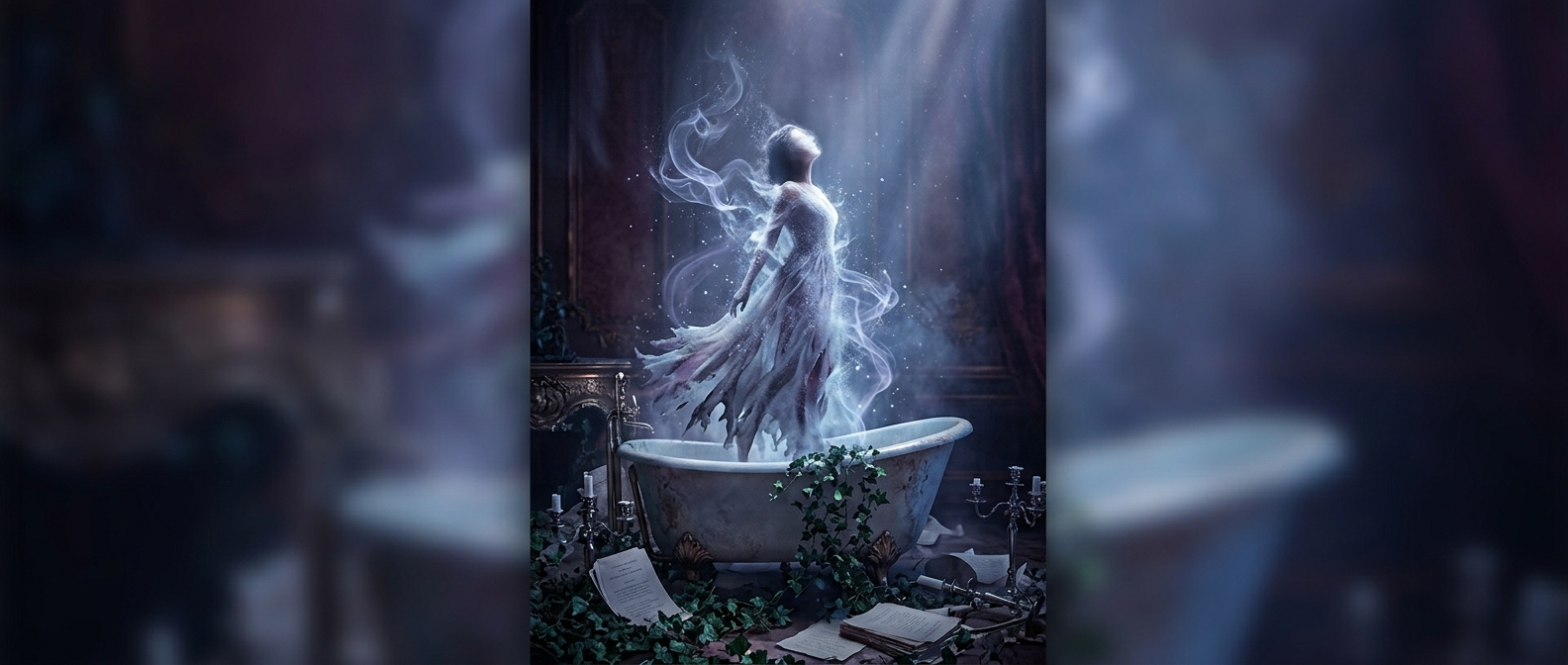
The key is often the gap between what viewers witnessed and what they were told. An explosion, a missing body, or a hurried identification leaves room for a later explanation: the character survived, escaped, or concealed their identity. Writers can then build a new story around the hidden interval, revealing why the character stayed away and what their return changes for the people who mourned them.
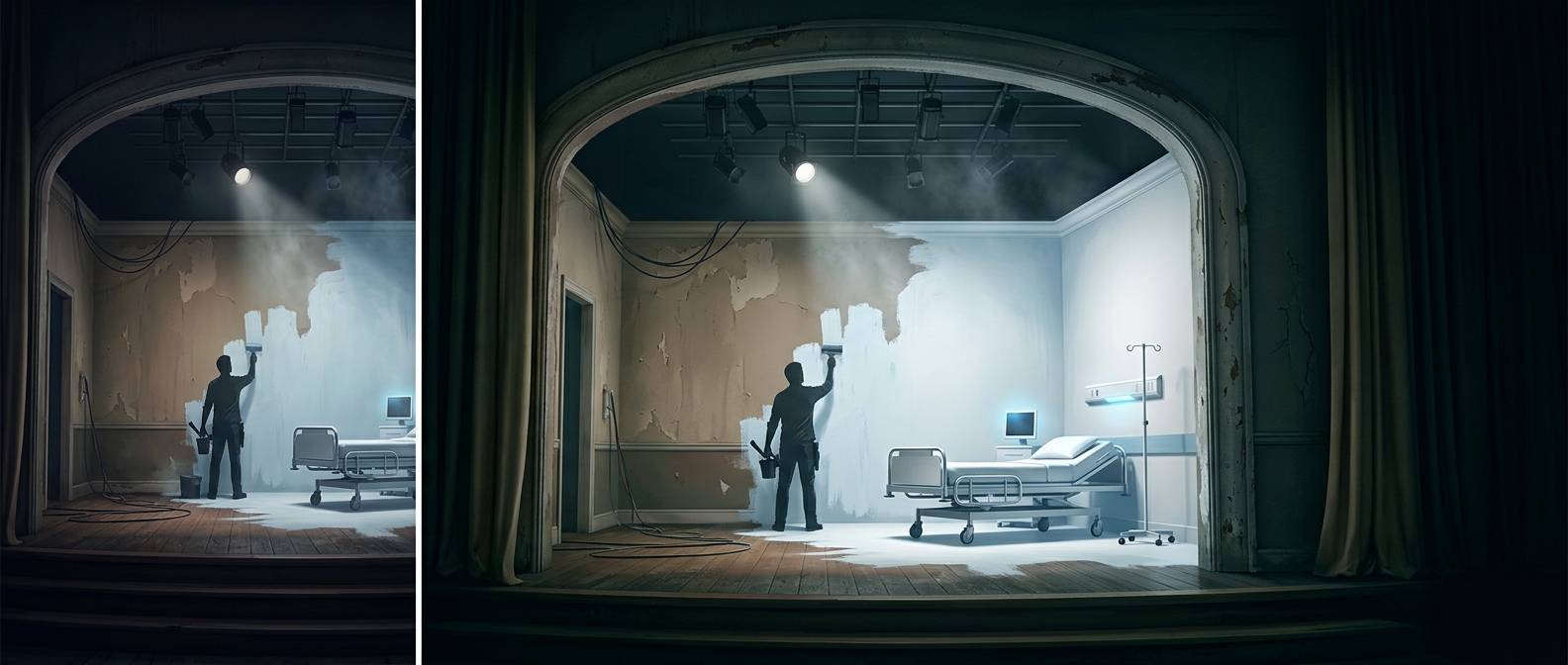
That flexibility is part of the form. Soap operas unfold over years, with overlapping plots and a large cast; a decision made for one storyline does not have to close every future possibility. Changing circumstances behind the scenes can also affect which characters are available, though a return still needs a workable explanation within the fiction.
A Funeral Becomes a Future Plot
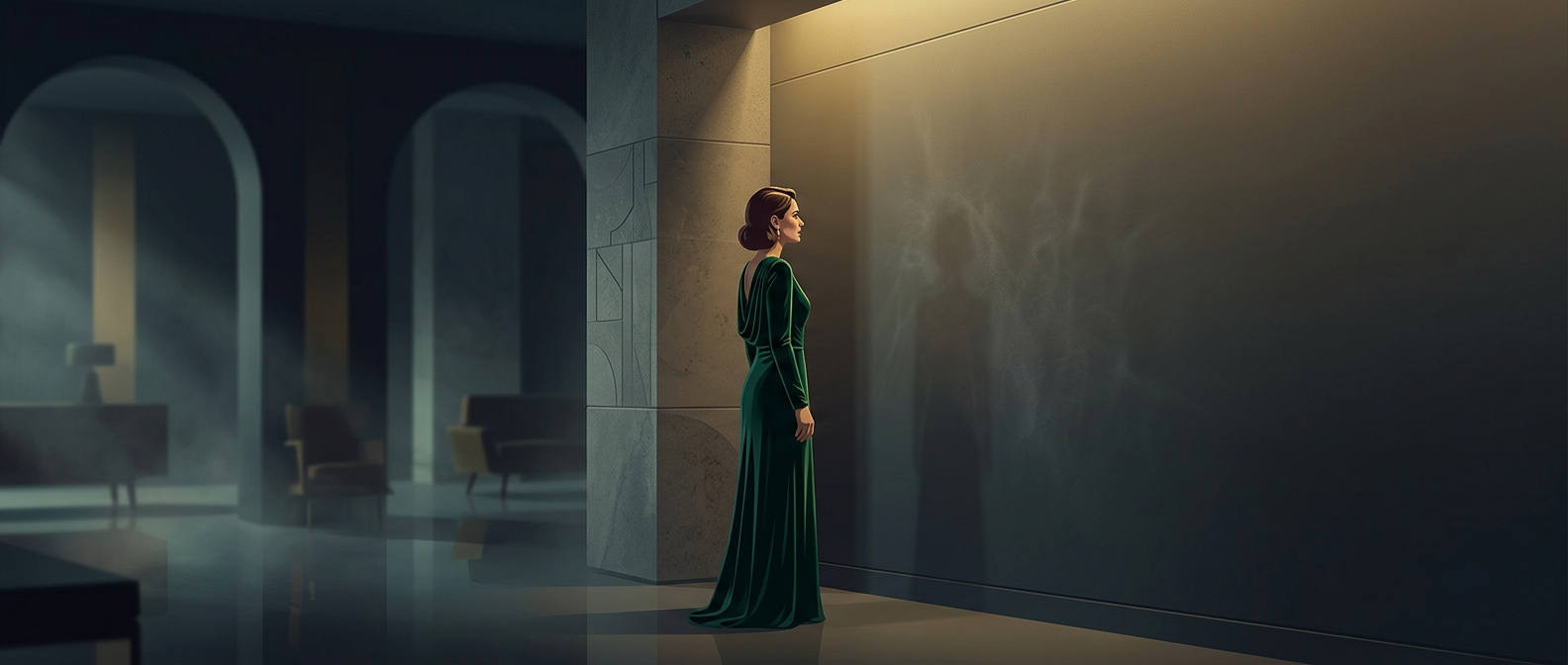
Bringing someone back can reopen old romances, rivalries, and family disputes in one stroke. It also asks viewers to revise an emotional conclusion they may have accepted as final. The more convincing the return’s explanation, the more the earlier loss can gain a second meaning: the funeral was not the end of the character’s story, but the event that shaped everyone left behind.