Why a Silent Stare Can Hold a Scene
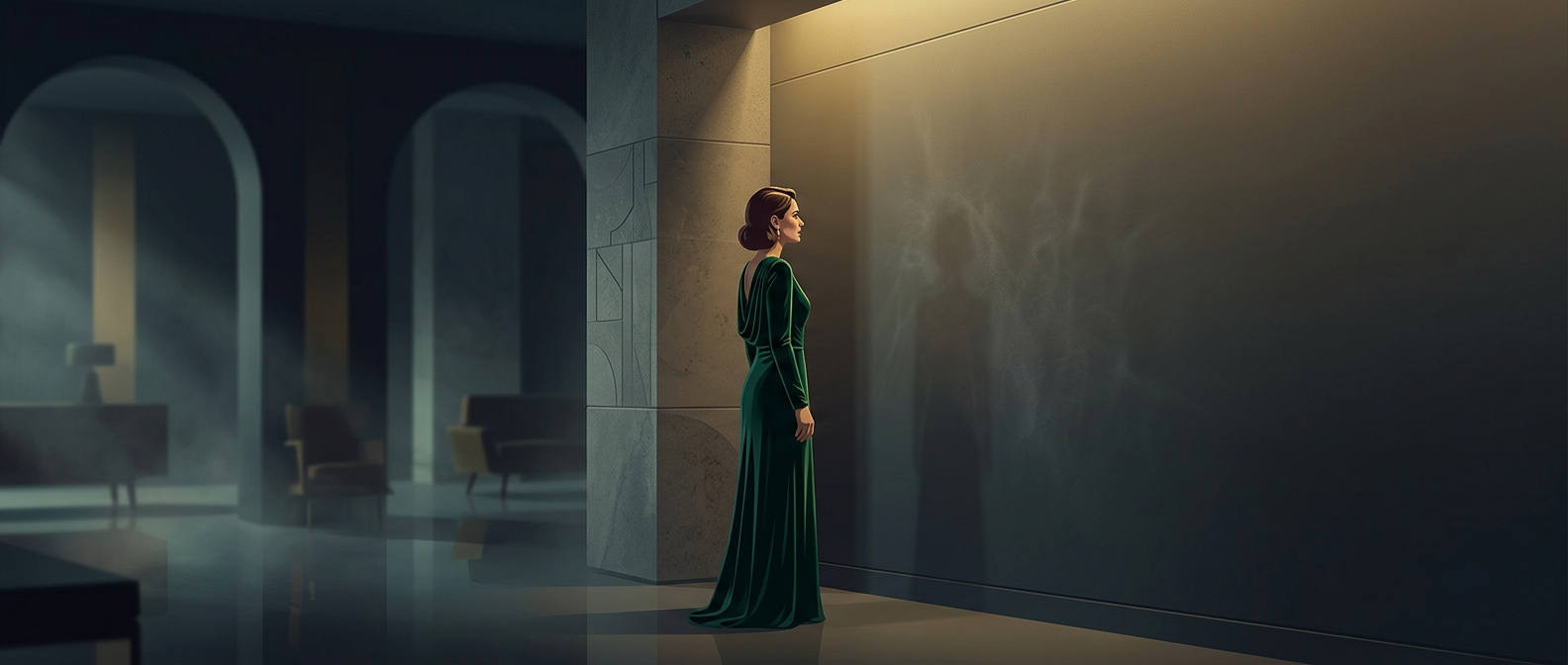
A character staring at a wall may look as if nothing is happening. In a daytime drama, though, the pause can mark the instant when a character absorbs a shock, suspects a betrayal, or decides what to do next. The audience is watching a face and body register a thought that the character has not yet put into words.
The stillness also changes the rhythm of the scene. Dialogue delivers information quickly; a held reaction makes viewers wait for it. A tightened expression, a fixed gaze, or a failure to move can hint that the character is concealing something—or struggling to take in what has just happened.
The Pause Becomes a Cliffhanger
Before a commercial break, that delay can make an unresolved moment feel more charged. Instead of ending immediately on an explanation, the scene leaves viewers with a question: What does the character know? What will they do? The lingering look gives the audience time to anticipate an answer, while withholding it until the story resumes.
The actor’s task is to make the pause readable rather than empty. Small changes in expression or posture carry the scene, and the camera gives viewers time to notice them. The tension comes from the gap between what the character may be thinking and what the audience has yet to learn.