A Televised Bridge Became a Place to Hide Prompts
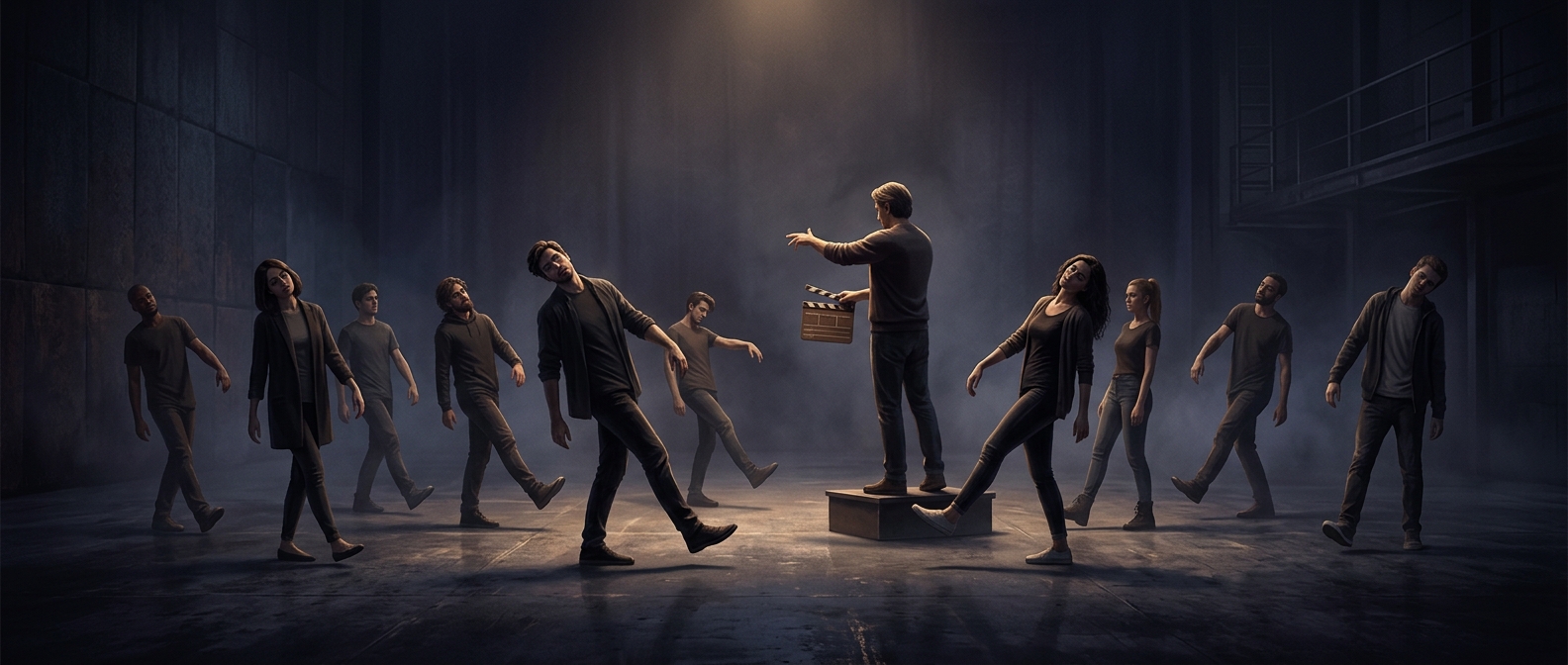
On a scripted television set, forgetting a line did not always mean stopping to consult a script. A cue card—a brief reminder of upcoming dialogue—could be positioned where an actor might glance at it while appearing to stay in the scene. Reports about Star Trek describe an especially improvised version: prompts concealed around the bridge set, and even attached to other performers.
That approach made the set part of the actor’s memory aid. A card near a console could be useful when Kirk was facing that direction; a prompt on a scene partner could help when the dialogue brought them face to face. The placement had to work with the scene’s movement and camera view, not simply be easy to read.
A Practical Fix for a Visible Problem
The bridge was the show’s recurring command-room setting, so its consoles and crew positions offered natural places to disguise reminders. Putting a cue on another actor’s chest was less elegant, but it could put the next line close to Shatner’s eyeline during an exchange. The goal was to get the words without making the audience notice the aid.
Such workarounds also show the difference between remembering a script privately and performing it on camera. An actor must deliver dialogue while hitting marks, responding to co-stars, and sustaining the scene. A hidden prompt could keep a take moving, though even a small glance risked looking unnatural if the camera caught it.
The memorable detail is that the solution depended on the scene itself: a fictional starship’s bridge—and the people standing on it—could double as a working script.