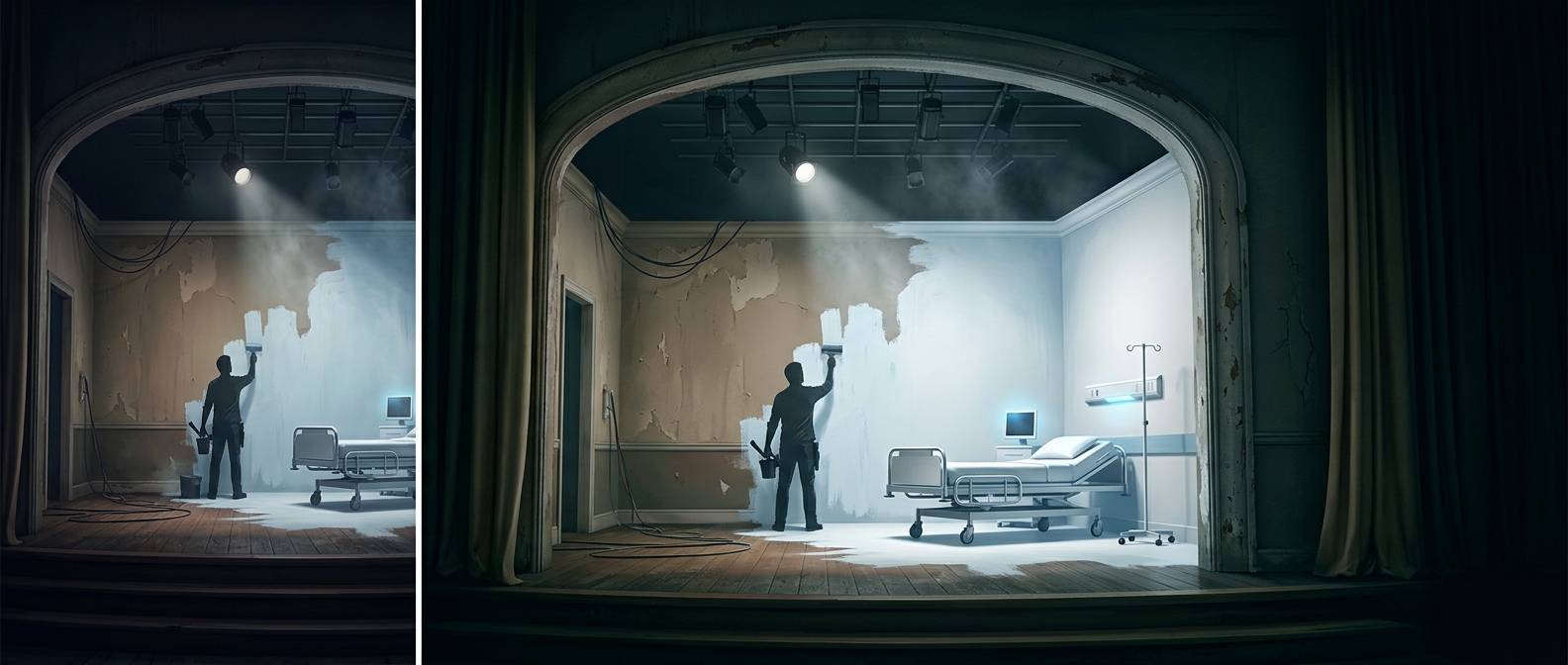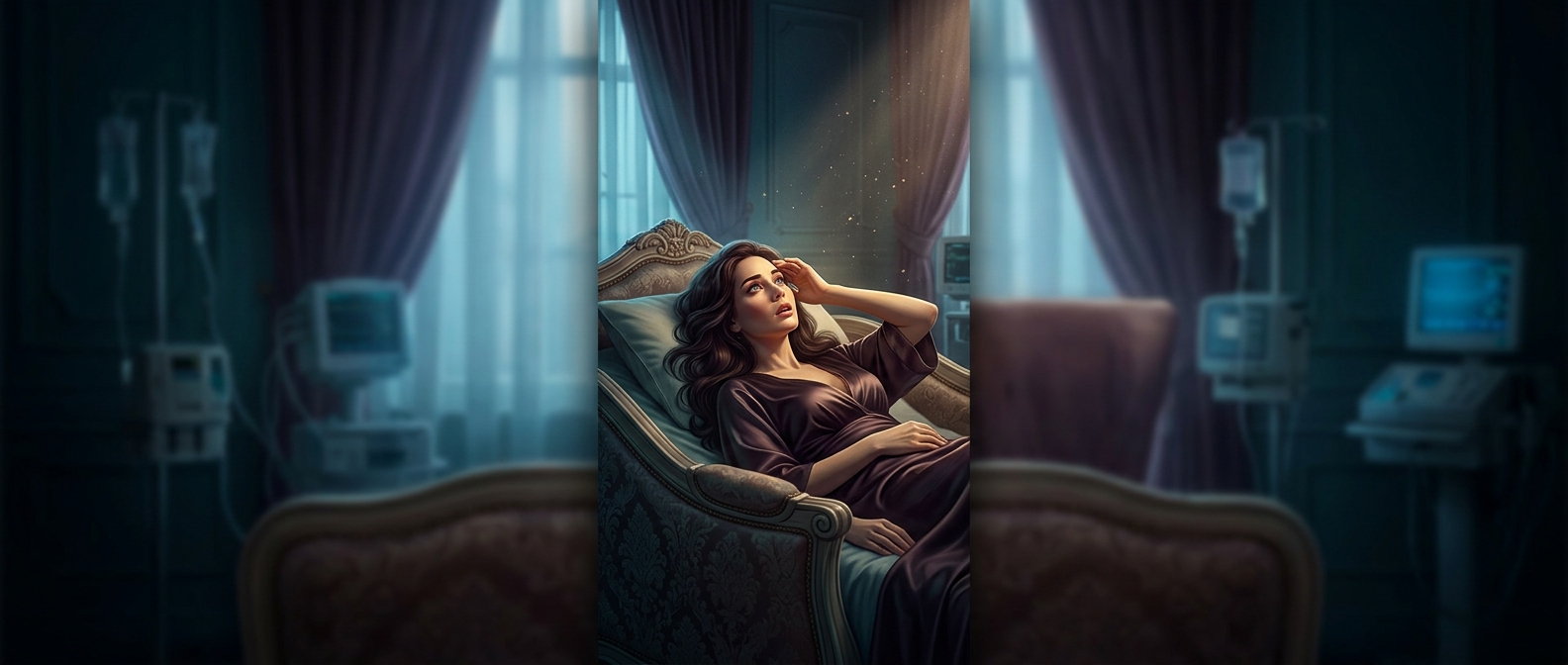
The coma is a pause button for the story
In a long-running soap, a character can disappear without being written out forever. A coma gives writers a way to remove someone from the daily action while keeping open the possibility of a dramatic return. The character’s relationships and secrets keep changing; the person in the hospital bed becomes a question hanging over the rest of the cast.
That question can fuel months or years of plot: Will the character wake? What will they remember? Who has moved on, taken their place, or hidden something in the meantime? A sudden return can then reconnect old storylines to the current one without requiring the character to have been present for every intervening episode.
The body is not paused with the plot
The device works because the story can skip the slow, uncertain aftermath. In real life, prolonged immobility can weaken muscles and leave someone needing extensive rehabilitation. Waking is not the same as immediately regaining strength, balance, or independence. A soap that moves straight from a hospital bed to a familiar confrontation is choosing emotional momentum over that physical process.
That choice also makes the scene legible at a glance. A character opens their eyes, recognizes a loved one—or perhaps does not—and the story can quickly turn to identity, betrayal, or revenge. Showing a long recovery would shift attention to care and rehabilitation, and might delay the reunion or conflict the audience has been waiting for.
A return that resets one thing and changes another
The coma is therefore less a medical timeline than a storytelling hinge. It lets a character return as the same person for the audience’s emotional connection, but into a world that has changed in their absence. The most revealing part is not simply that they wake; it is how quickly the show can move from that moment to the consequences of having been gone.