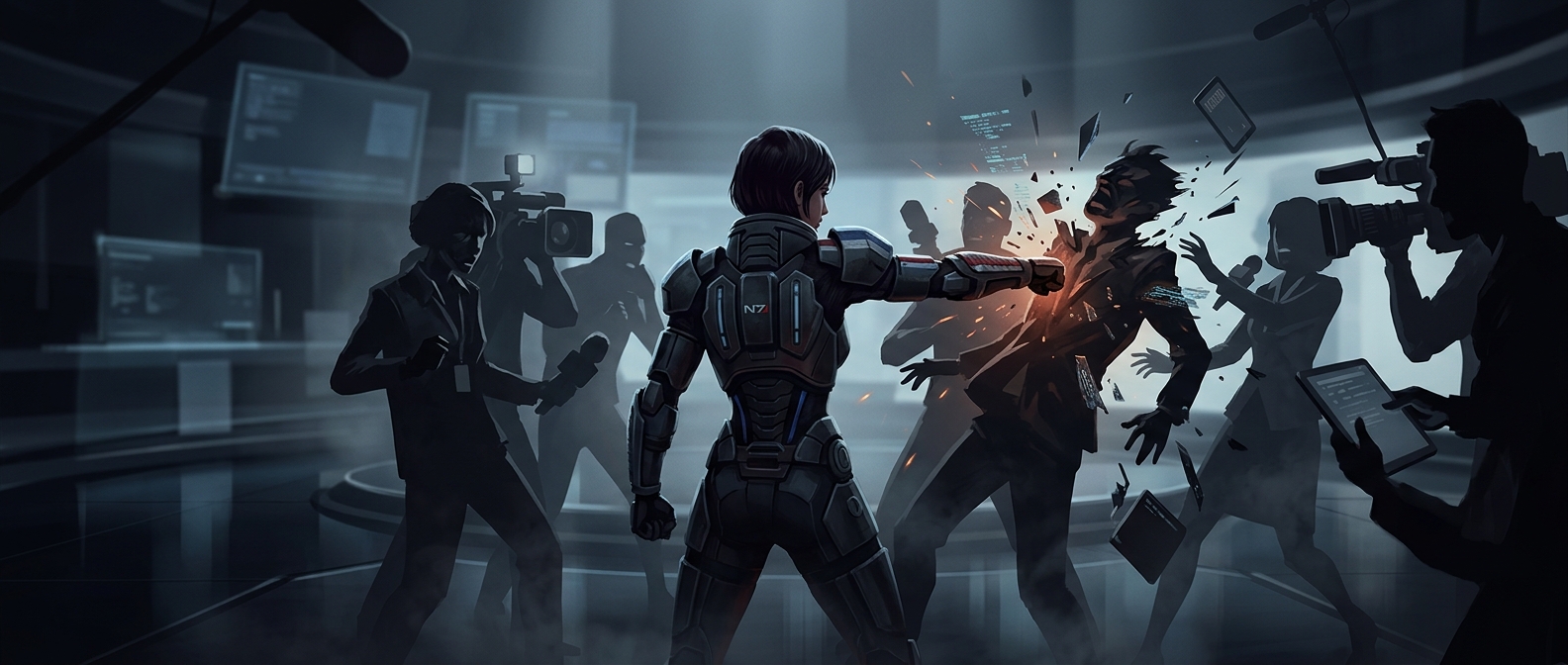
Why a Match Can Make Players Snappish
A game can raise the temperature of an interaction without making someone violent. A close loss, a sudden setback, or a teammate’s mistake can produce frustration: the feeling that a goal was blocked, especially when the player believes the outcome was unfair or outside their control. In a fast, competitive match, that irritation may come out as an insult, a raised voice, or an angry message.
Those are forms of aggression in the broad sense—hostile words or actions—not the same thing as real-world violence. The distinction matters: a player can be briefly furious and still have no intention of hurting anyone.
The Social Setting Often Supplies the Spark
The game is only part of the situation. Competition gives players reasons to blame, taunt, or provoke one another; voice chat and messaging make those reactions immediate and public. When a player is already tired, stressed, or upset, a bad call or hostile comment can be the last push toward an angry response. The same ingredients can appear in sports, arguments, or other high-pressure activities.
Violent imagery may affect the mood or content of a particular moment, but it does not by itself explain why someone lashes out. The more useful question is what happened around the player: Were they frustrated, provoked, losing control of the match, or responding to a hostile group dynamic?
Why “Aggression” Is Not a Shortcut to Violence
Researchers use “aggression” for a wide range of outcomes, from hostile thoughts and sharp words to harmful acts. Treating every one of these as equivalent makes ordinary game anger sound like evidence of a path to serious violence. A heated exchange after a close match is a real social problem, but it is not the same outcome as an assault.
That difference points to practical ways to cool things down: reduce harassment, give players tools to mute or report abuse, and make it easier to step away after a frustrating match. Often, the spark is not the fictional conflict on screen but the very real person on the other end of the chat.