Why a camera bump can turn a phone into a tiny rocking chair
A phone’s rear camera is not just a glass window set into the back. The lens and image sensor sit in a module that needs depth, and the camera may extend beyond the phone’s otherwise flat rear surface. When the phone is placed down, that raised section can touch the desk before much of the back does.
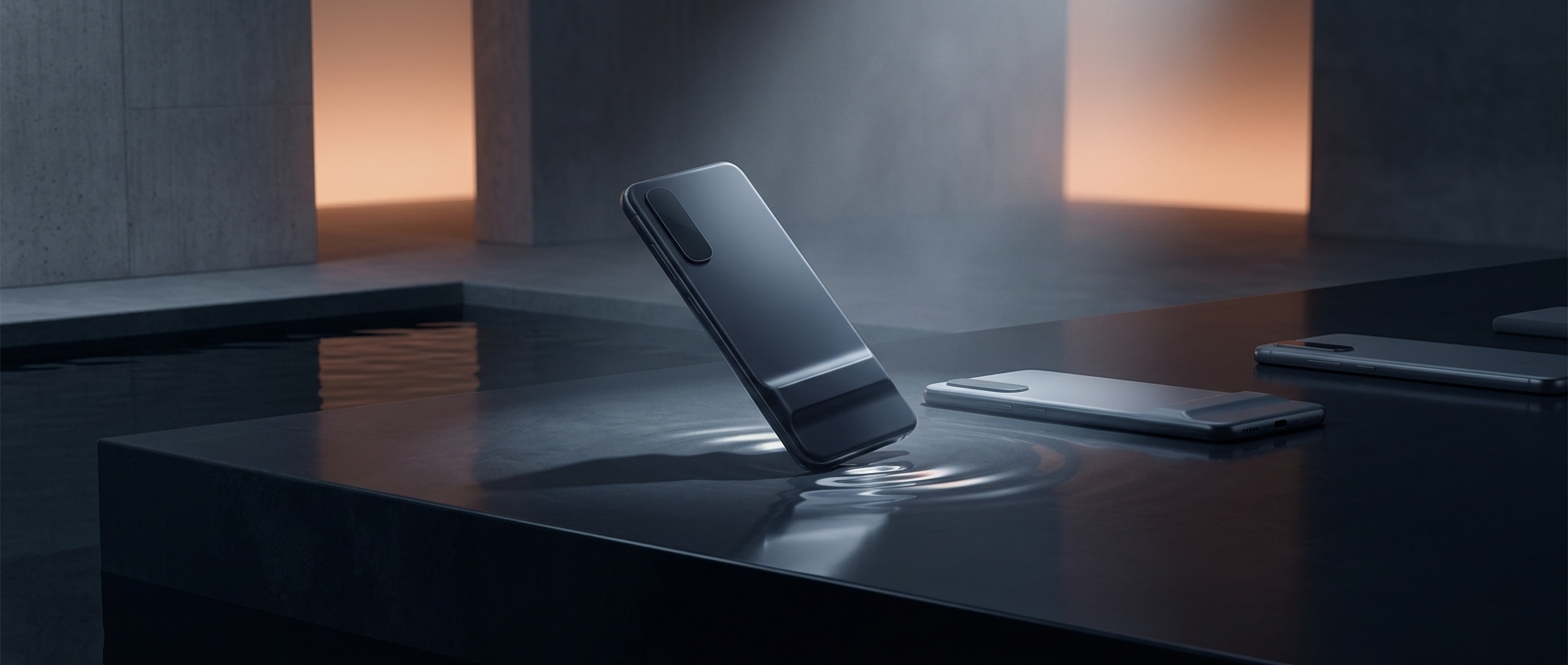
That changes the phone’s support points. Instead of resting evenly across its back, it may balance on the camera bump and one or more edges. A tap on the screen shifts the force through that uneven support, making the body tip slightly around the points touching the desk. If the phone is long or the bump sits near a corner, even a light touch can set off a visible seesaw motion.
A small bump, a noticeable tradeoff
The wobble depends on the phone’s shape, the camera section’s position, and the surface beneath it. A case with a flatter back can bridge the raised module and spread the phone’s weight across a wider area, though the case itself may add bulk. On a soft or uneven surface, the contact points can change, so the same phone may rock less—or differently.
The annoyance is a side effect of fitting camera hardware into a thin device: the rear can look almost flat while still having one small, high point that determines how the whole phone rests. That is why a tap near the middle can make the far end lift, even though the camera bump is the only part touching the desk unevenly.