How a virtual concert becomes a shared event
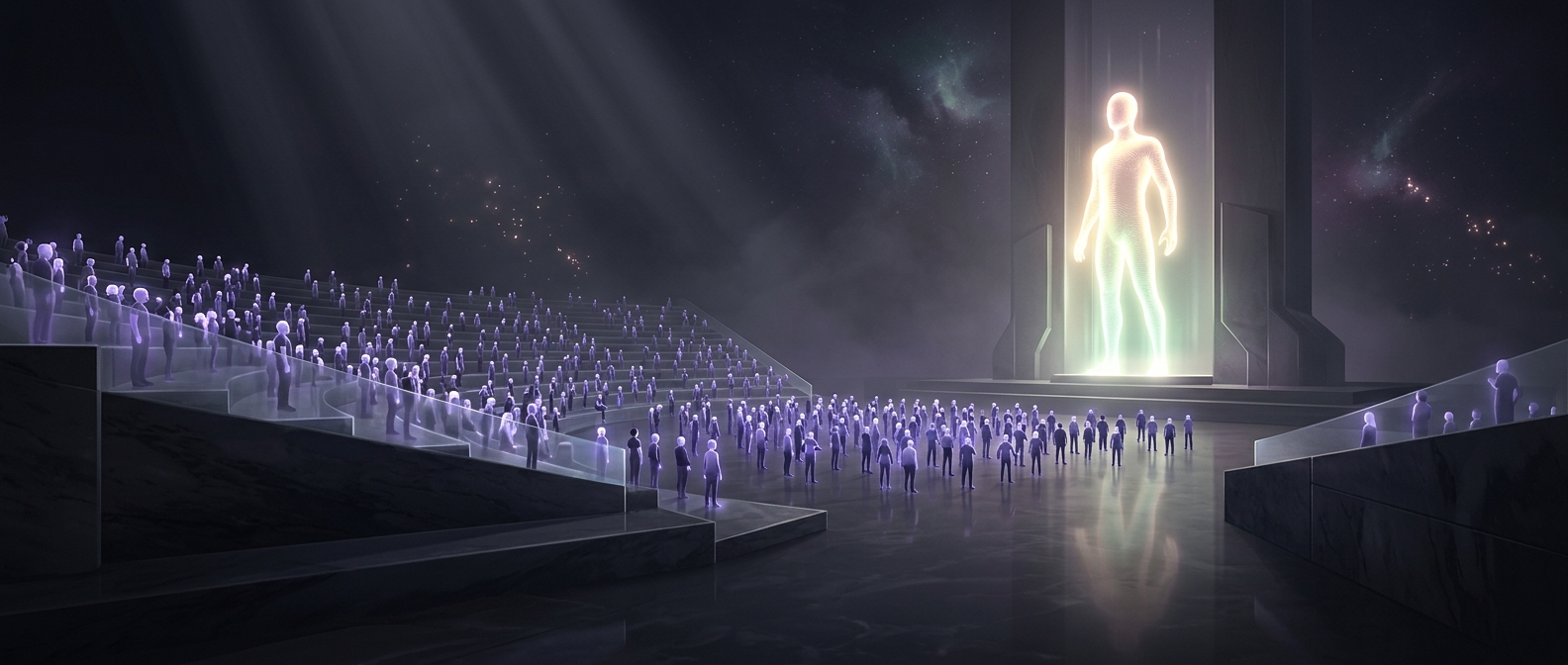
A multiplayer concert is more than a video playing inside a game. The platform turns the performance into an activity in a place: players enter a themed environment, see one another’s avatars, and watch the show unfold from within the same digital scene. Movement, visual effects, and sound can make the audience feel present rather than simply watching a stream.
That sense of togetherness depends on careful coordination. Everyone in a given session needs to see the performance at roughly the same moment, even though each player’s device is rendering the scene separately. A show may be live, prerecorded, or combine live elements with prepared visuals; the format determines how much can change in response to the audience.
The crowd has to fit the technology
A physical venue has a fixed capacity. An online event can draw people from many places, but a single game session still has technical limits: every nearby avatar and animated effect requires processing and network traffic. Platforms may therefore divide attendees among multiple copies of the event space. Each crowd experiences the same show, while its members share a session with a manageable number of other players.
Designers also have to make the event work as a game experience. They choose where avatars can move, what players can interact with, and how the performance remains visible amid a crowd. Those choices shape whether the audience feels like spectators, participants, or both.
The result is a concert whose venue is software: its reach can extend far beyond a physical room, while the platform’s sessions quietly determine how each crowd gathers and watches.