Why Agent J Wasn’t an Easy Yes
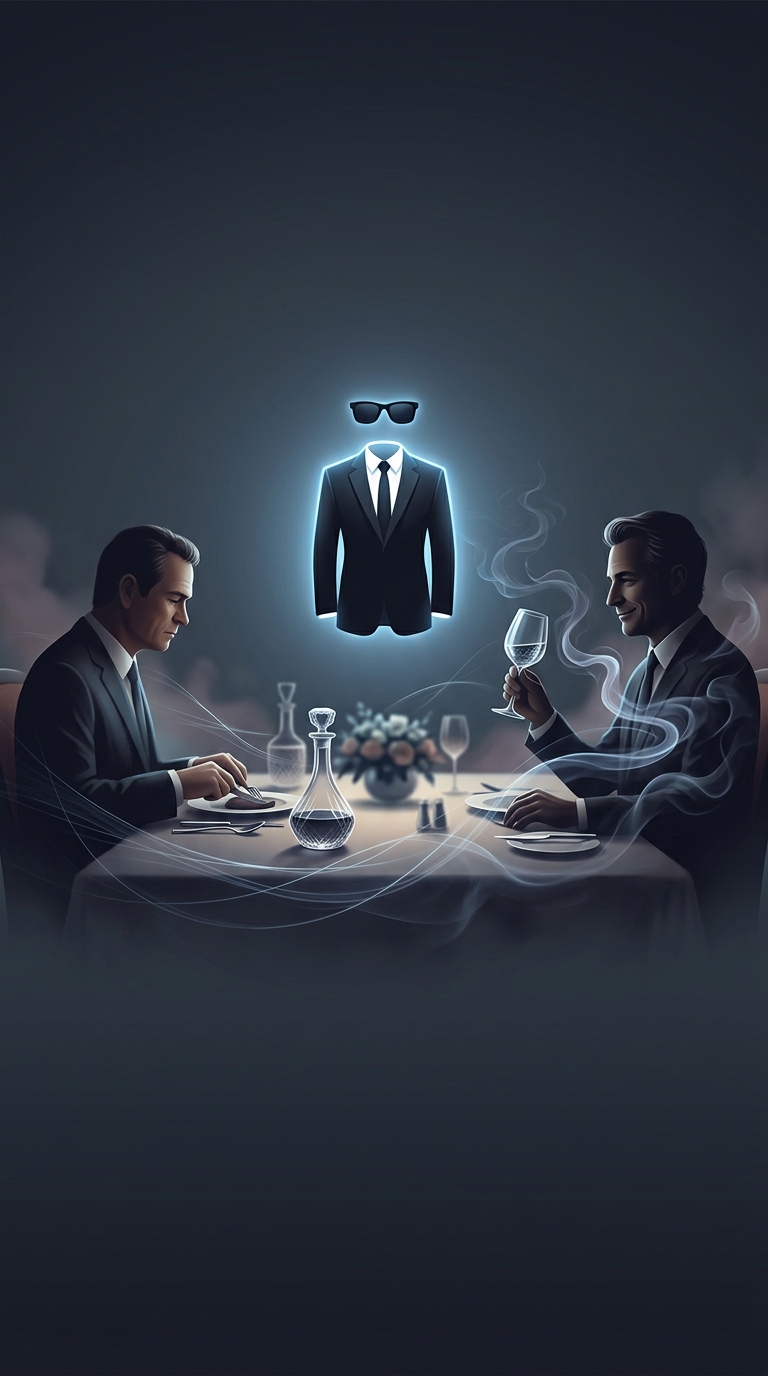
After Independence Day, Will Smith worried that another alien-centered blockbuster would narrow the way audiences and studios saw him. Agent J in Men in Black risked looking like a repeat: another wisecracking hero facing extraterrestrial danger. The role’s appeal was clear, but so was the career tradeoff. A hit could make him a reliable star of the same kind of movie; a string of similar parts could make it harder to be seen as anything else.
A Helicopter Made the Pitch Personal
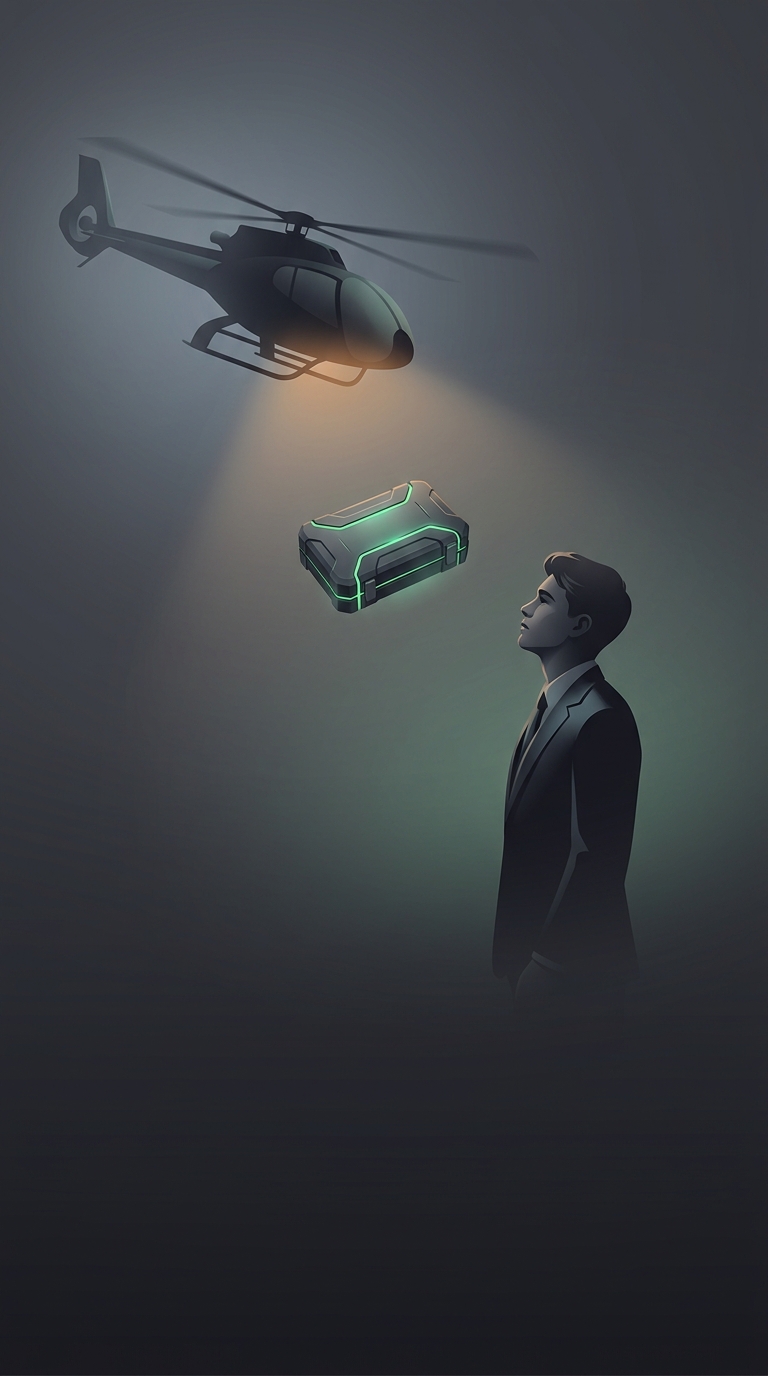
Steven Spielberg, an executive producer on the film, reportedly sent a helicopter to bring Smith to a meeting. The unusual gesture did more than signal that the filmmakers wanted him. It gave Spielberg a chance to make the case directly, rather than leave Smith weighing the project as just another script about aliens.
The distinction mattered. Men in Black was not simply an invasion spectacle: its comic engine depended on Smith’s contrast with Tommy Lee Jones’s deadpan Agent K. J’s energy and skepticism made the secret agency—and its bizarre creatures—funny as well as threatening. Smith could bring a familiar screen persona to the film while playing in a different comic setup from Independence Day.
The Risk Became the Signature
Smith eventually took the role, and Agent J became one of his defining characters. The film’s success helped turn the pairing of his lively newcomer and Jones’s weary veteran into the franchise’s central appeal. It also illustrates the double edge of a blockbuster role: the very traits that can make an actor feel typecast can become the recognizable identity audiences come to see.
The helicopter was a memorable recruiting tactic, but the lasting sell was the character. Smith wasn’t just being asked to fight another alien threat; he was being asked to make the audience’s way into that strange world.